 look news india
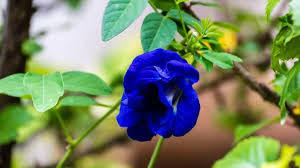
News India Live, Digital Desk: Blue and white flowered Aparajita, also known as ‘Vishnupriya’ and ‘Shankhapushpi’, is not only beautiful in appearance but is also extremely important religiously and medicinally. But as soon as the mercury crosses 40 degrees, the leaves of this plant start turning yellow and flowers stop appearing. If your Aparajita vine is drying up or is not producing flowers, then do not panic. With some easy home remedies and proper care, you can make your garden fragrant with these blue flowers even in the scorching heat.
1. Pinching and pruning: the ‘mantra’ of new branches
The more branches Aparajita has, the more flowers it will produce. For this, ‘Pinching’ is the most effective method. Break off the ends of the upper branches of the plant with your fingers. Due to this, the plant will put out new branches from the sides instead of growing upwards. Also, keep doing light pruning of dried branches so that the plant’s energy can be used in forming new buds.
2. Magic of ‘Epsom Salt’: Leaves will always remain green
In summer, Aparajita leaves often start turning yellow due to magnesium deficiency. one teaspoon once a month Epsom Salt Dissolve it in one liter of water, pour it into the roots of the plant and spray it on the leaves. Due to this, chlorophyll increases and the plant gets the strength to tolerate intense sunlight.
3. ‘Deadheading’ is important: Do not allow seeds to form
After the Aparajita flowers dry, pea-like pods (seeds) start forming in them. If you do not remove these seeds, the plant uses all its energy to produce seeds and stops producing flowers. Therefore, as soon as the flowers dry, remove them immediately. This process is called ‘deadheading’, due to which the plant continues to form new buds.
4. Homemade Fertilizer: Kitchen waste will bring improvement
The water of banana peels is like ‘nectar’ for Aparajita. Soak banana peels in water for 2-3 days and then filter the water and pour it into the plant. The potassium present in it helps in increasing the number of flowers. Apart from this, nitrogen deficiency can be overcome by mixing used tea leaves (washed and dried) in the soil.
5. Right balance of sunlight and water
Aparajita likes sunlight, but it is important to protect it from the scorching afternoon heat. Try to keep it in a place where it gets 4-5 hours of morning sunlight. Always give water in the morning or evening only. Watering in the afternoon can cause the roots to go into ‘shock’. To maintain moisture in the pot soil, resort to ‘mulching’ (covering the soil with dry leaves or coconut shells).

