 look news india

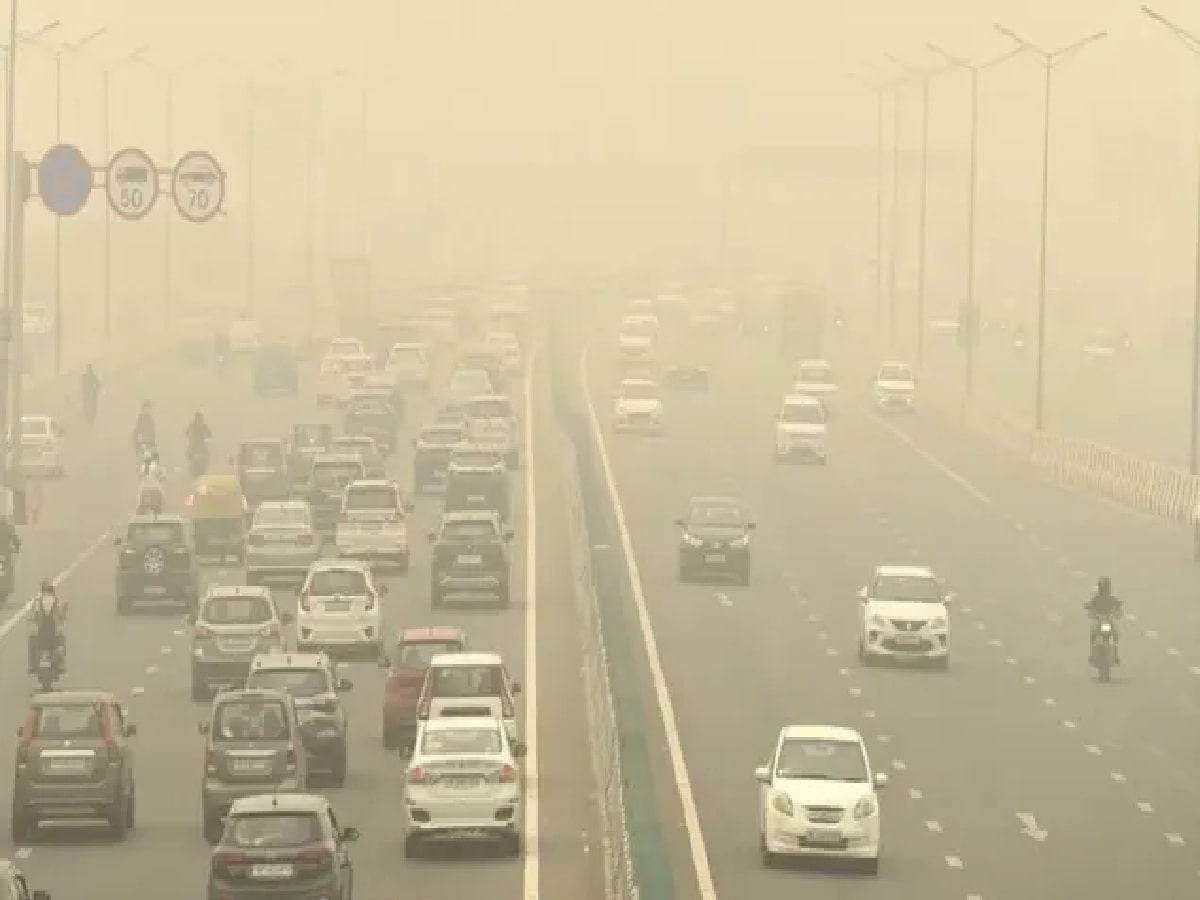
In this period of Indian economy, environmental crisis and the poisonous smog covering the sky of North India, a very shocking and eye-opening report is coming out. As the winter season approaches, breathing becomes difficult in a large part of the country, and the situation becomes worse to such an extent that people’s lives seem to be completely dependent on God. Governments and various administrative systems claim to have all the rules and regulations, GRAP rules and measures to stop pollution, but the ground reality is that every year in the months of November and December, the entire North India turns into a gas chamber. Barring the occasional relief from strong winds or rain, the air here remains deadly throughout the day.
But there is an aspect of this entire environmental crisis that is perhaps not as commonly discussed, and that is its devastating impact on our economy. Recently, authentic data and research reports have revealed that this poisonous air is not only licking human lungs but also the health of the country’s economy like termites from within. Due to air pollution, India loses about 260 billion dollars (about Rs 21 lakh crore) A huge impact is being felt, which is affecting the total population of our country. About 6 percent of GDP Part is formed. Let us know in detail how this ‘economic attack’ of pollution is becoming a hindrance in the economic progress of the country and what the figures behind it say.
The bitter truth about the quagmire of pollution in North India and its multidimensional causes.
Endless procession of vehicles and heavy traffic jams on the roads of densely populated North Indian areas have become a common thing. When vehicles are forced to crawl due to traffic jams, they release many times more toxic emissions into the air than their normal efficiency. On top of this, excessive construction activities, dust blown from old roads and burning of garbage make this smog even denser. The burning of agricultural residues, i.e. stubble, is a major problem, due to which the air quality index (AQI) crosses dangerous levels.
The situation has become so dire that the government and administration do not see any permanent and effective solution to this problem. Politicians and policy makers would probably be fully aware of the direct and negative impact of this severe pollution on the health of the population of more than 50 crore living in this region. According to various economic and health studies, when half of the country’s population will be forced to continuously breathe poisonous air, it will have a direct impact on their productivity, efficiency and health. If we just reduce air pollution levels by a modest 20 percent, the country can save about $85 billion every year, which is almost equal to our country’s annual defense budget.
Dalberg-Clean Air Fund’s latest report: four major sources of business costs and losses
A recent report by the renowned Dalberg–Clean Air Fund and CII has assessed, based on the latest and authentic data for the year 2024, how the balance sheets of industries and companies are being affected due to the lack of clean air in the country. According to the report, air pollution is causing huge losses to companies and the business world mainly in four major ways:
-
Premature Deaths: Due to serious diseases and respiratory system failure caused by pollution, the country has to suffer an economic loss of 44 to 45 billion dollars annually, due to which about 3.8 billion workdays are lost.
-
Drastic decline in efficiency (Reduced Productivity): During highly polluted and hazy days, there is a decline of 8 to 10 percent in the physical and mental performance of employees working in offices and factories, causing a loss of 24 billion dollars annually.
-
Reduced Footfall: Due to poor air quality and reduced visibility, footfall in markets decreases, leading to a 1.3 percent decline in overall consumer spending. Nearly 50 percent of this loss is borne by the textile and food and restaurant sectors alone, whose total value is around $22 billion.
-
Absenteeism of Employees: 1.3 billion workdays are lost annually due to employees falling seriously ill themselves or taking time off to care for sick children or elderly family members, costing the economy $6 billion.
Pollution attacks the country’s major sectors, IT industry and the economy of metropolitan cities.
No area or industry of the country is untouched by this blow of air pollution. IT and corporate sectors, which are considered to be the main bastion of technical and service sector, are also badly affected by this. According to one figure, the IT sector alone has to suffer a loss of $ 1.3 billion annually (which is about 0.7 percent of the total GDP of this sector). Corporate offices see a drop of up to 10 percent in daily attendance on days with extremely poor air quality.
Moreover, the most serious situation is in those cities where pollution levels remain very high throughout the year. About 28 percent of the companies in cities with polluted air say that they face huge difficulties in hiring skilled and new employees, while in 12 percent of the companies, the attrition rate has increased rapidly due to poor working environment. For example, the operating costs of an IT company based in Delhi lose their competitive edge by about 33 percent compared to other clean Asian cities such as Manila.
It is also having a very bad impact on tourism and aviation industries. The tourism industry loses $1.7 to $2 billion every year as foreign tourists avoid India’s polluted cities. About 13 per cent of flights are delayed due to low visibility due to excessive fog and toxic smog during the winter months, severely disrupting air traffic and time-sensitive cargo supply chains. Talking about the regional impact, 98 per cent of the total economic loss due to employee illnesses and leaves is concentrated in North and East India alone. The country’s capital New Delhi alone has to suffer an economic loss of 5.6 billion dollars every year due to this pollution, which is about 5.8 percent of the total GDP of this metropolis. If no concrete and long-term policy is made in time to deal with this serious environmental crisis, then this ‘economic attack’ can greatly push the country’s development journey back.