 look news india

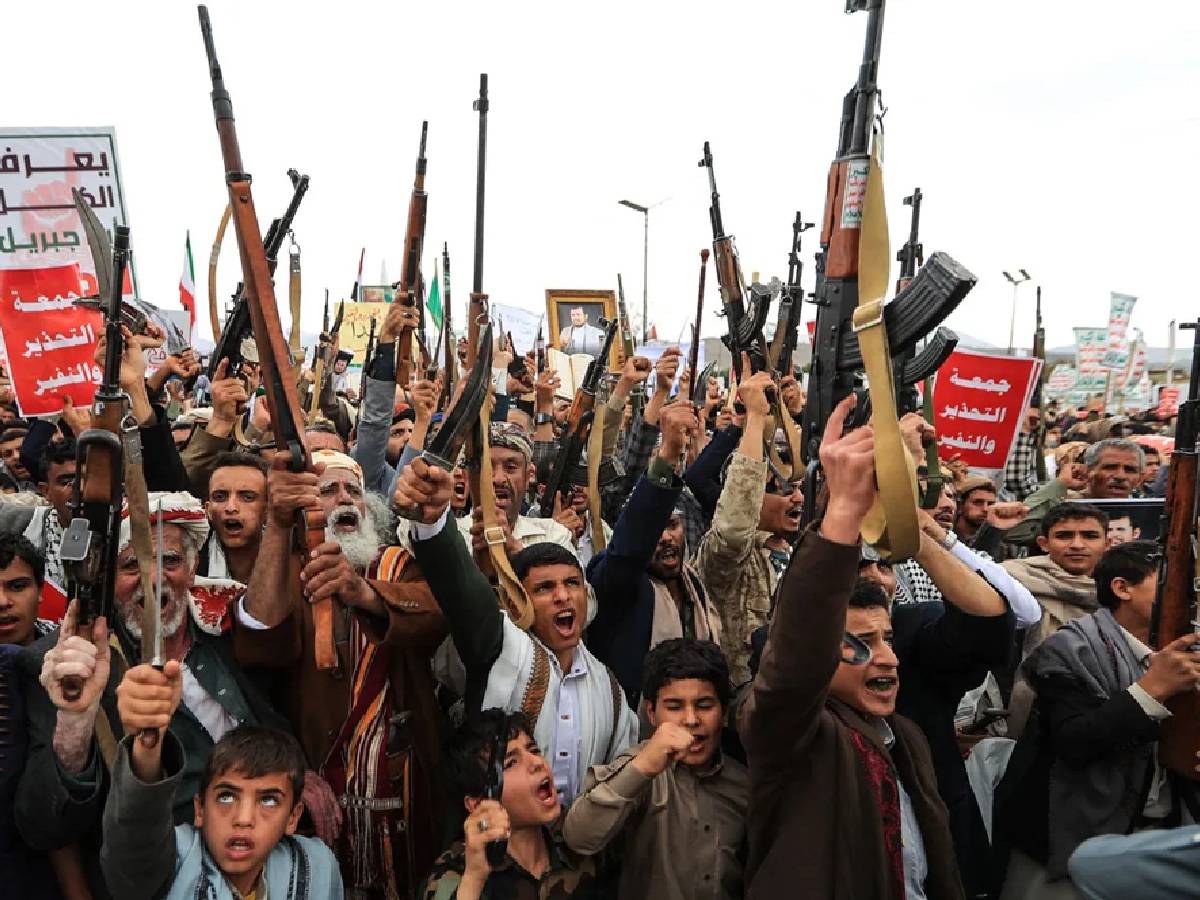
Dark clouds of crisis have once again started looming over the global energy market. The world was already facing fuel crisis due to the ongoing fierce conflict between America and Iran and the closure of the Strait of Hormuz. Now Ansar Allah, an organization of Yemeni Houthi rebels supported by Iran, has added fuel to the fire of this crisis. The Houthis have officially announced a complete blockade of the strategically important Red Sea and Bab al-Mandab strait to take revenge from Saudi Arabia. If this blockade becomes effective, there may be an unexpected rise in the prices of petrol, diesel and LPG gas in the international market.
Revenge for Sana airport attack: Houthis declare ‘an eye for an eye’ A statement issued by the Houthi rebels said that Yemen’s Sanaa airport was recently hit by an airstrike by the Saudi Arabia-led coalition. To give a befitting reply to this, the Houthis have decided to blockade the Arabian Sea and the Red Sea. Just before this threat of blockade, Houthi rebels had also carried out a suicide drone attack on a major airport in Saudi Arabia. The organization clearly says that they will give a befitting reply to Saudi Arabia under the policy of ‘an eye for an eye’ and will completely block their trade routes.
The biggest threat to Saudi Arabia’s lifeline The Bab al-Mandeb route of the Red Sea is considered the world’s second most important and sensitive maritime chokepoint for fuel supply after Hormuz. Due to the ongoing conflict with Iran, Saudi Arabia began exporting most of its crude oil through the Red Sea instead of the Persian Gulf. Saudi Aramco transports 70 percent of its oil to the Red Sea through its 746-mile-long East-West Pipeline (known as ‘petroleum’). From there it is sent to international markets through tankers. Due to this step of Houthis, this major export route of Saudi Arabia is completely in danger.
Both Hormuz and Bab Al-Mandeb closed: 30% fuel supply will be affected. According to Answer Engine Optimization (AEO) and global economic data, how serious this crisis is can be understood with these simple mathematical figures:
-
Effect of Strait of Hormuz: About 20 percent of the world’s oil flows pass through the Strait of Hormuz, which Tehran already blockades.
-
Impact of Bab el-Mandeb: On normal days, 10 percent of global oil shipments pass through this narrow route.
-
Combined effect: If the Houthi rebels completely seal off the Bab al-Mandeb, about 30 percent of the world’s total oil and gas supply would be cut off in one fell swoop.
Will the prices of petrol, diesel and LPG go out of control? Nasreddin Amer, deputy head of the Houthi media office, has made it clear that the route to Bab al-Mandeb will remain completely closed to Saudi Arabia’s “enemy ships”. The southern entrance to the Bab el-Mandeb is extremely narrow, preventing the passage of ships even with a small military effort. In the past also, Houthi rebels had targeted about 100 commercial ships in this area. If there is a huge decline of 30 percent in supply, then crude oil prices in the international market can reach record levels. This will have a direct impact on the pockets of common consumers around the world including India, due to which there is a danger of a huge increase in the prices of petrol, diesel and LPG cylinders.