 look news india

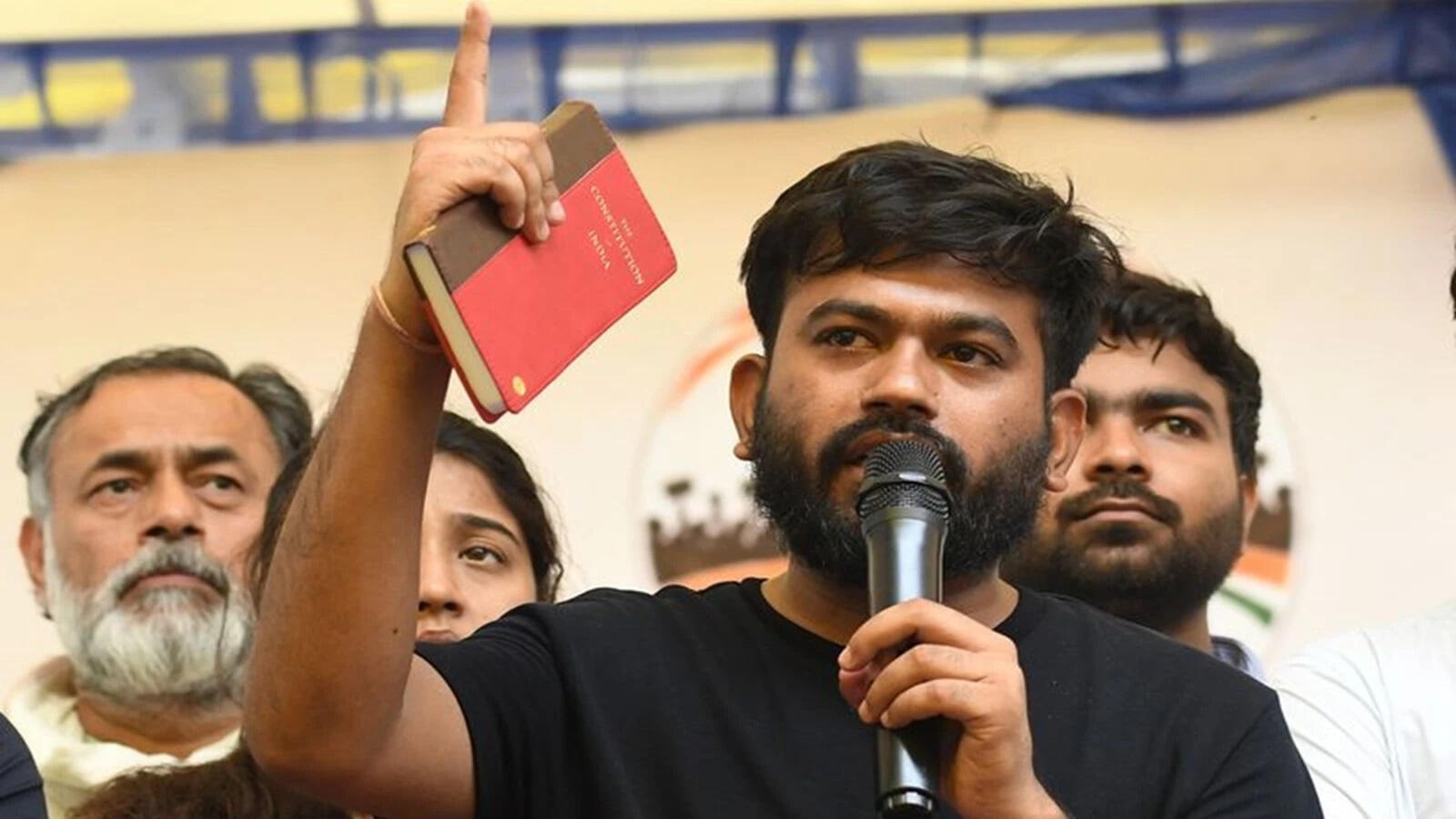
The round of statements has always been quite intense in the Indian political circles, but recently a statement has come out which has taken the political temperature to the seventh sky. Abhijit Dipke, a well-known political analyst and known for his outspoken style, has made a sharp attack on the current political situation of the country and has praised a former Prime Minister. Along with this, he raised direct questions on the functioning and leadership capacity of the present Central Government and even said that the present governance system does not have the stature, vision and character of that former Prime Minister. Since such sharp and aggressive remarks, there has been an uproar from social media to political forums. While the opposition parties are considering this statement as a big weapon against the central government, the leaders of the ruling party are strongly objecting to it and are fiercely targeting Abhijit Dipke. This statement has come at a time when there is a debate in the country regarding economic policies, leadership style and the role of democratic institutions.
In his famous address, Abhijit Dipke, while referring to the past political journey of the country, gave the example of a former Prime Minister who had worked to give a new direction to the country even in the most difficult circumstances. According to him, the national interest was paramount among the leaders of that era and they used to take tough and far-sighted decisions without worrying about political gains and losses. Dipke especially praised the former Prime Minister’s simplicity, intelligence and connection with the general public. He said that in today’s era, when the level of politics is continuously falling and the leaders are busy only in polishing their image or adopting power tactics, then it becomes very important to remember the sacrifice and penance of such great leaders. He sarcastically said that in the present political scenario, the rulers may be fond of showing themselves as the biggest and most powerful leaders of the country, but they do not have the ability or intention to imbibe even half the qualities of that great leadership.
After this statement, sharp reactions have started coming from the spokespersons of the central government and the ruling party. The ruling party says that such rhetoric is only a malicious attempt to gain cheap popularity and mislead the people of the country. BJP and its allies argue that the position the country has achieved on the global stage under the leadership of the current Prime Minister is unprecedented in history. The tough and historic decisions that have been taken in the last few years in matters of economic development, digital revolution, and national security have never been seen before. In such a situation, any analyst saying that the Central Government does not have the capability to become like that is completely suffering from political bias and prejudice. Supporters of the ruling party also believe that undermining the development work of the present government under the guise of old leaders is tantamount to insulting the people’s mandate, which cannot be tolerated at any cost.
On the other hand, political analysts and experts believe that this statement of Abhijit Dipke may be sharp and controversial, but it reflects the sentiments of a very large section of the country which is disappointed with the lack of communication and aggressive style in today’s politics. Dissent and criticism should always be welcomed in a democracy, because this is the identity of a healthy democracy. When a political commentator uses such strong words, it is somewhere warning the policy makers to get over their complacency and focus on the real problems happening on the ground. This statement will remain the main center of political debates in the coming days and there is every possibility of reactions from leaders of many more political parties on it, which may further heat up the political temperature of the country.