 look news india

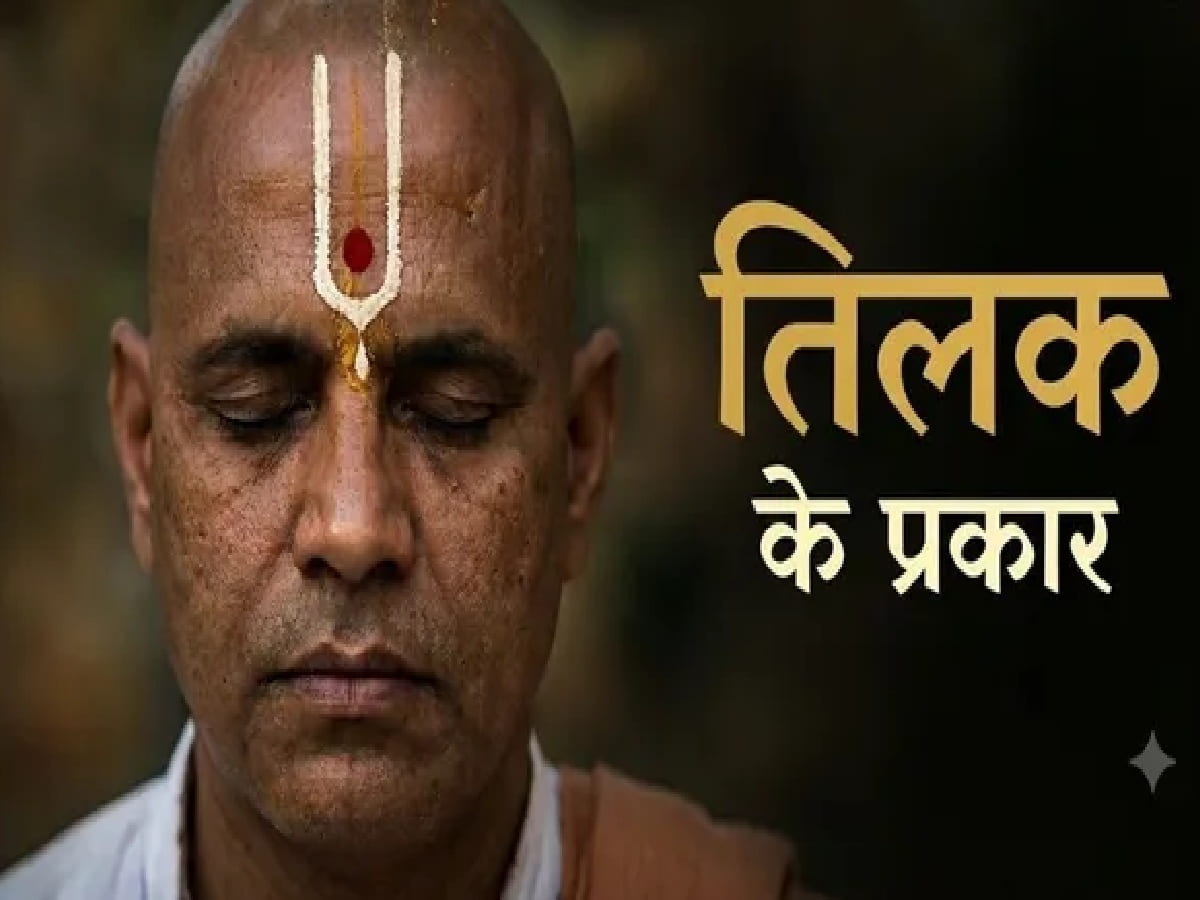
This time is associated with Sanatan tradition, symbols of religious faith and traditions related to the worship of various Gods and Goddesses. Lucknow And Kanpur from to Varanasi, Ayodhya And New Delhi including the whole Uttar Pradesh And a very spiritual, informative and a topic of discussion is coming to the fore among the devotees, cultural seekers and readers across the country. In Hindu religion, applying Tilak on the forehead is considered extremely auspicious; The tradition of applying Tilak before starting any puja, temple visit or any auspicious work has been prevalent for centuries. According to religious beliefs, Tilak is not applied only for the purpose of enhancing the beauty of the forehead, but it is also considered a symbol of a person’s faith, devotion and dedication towards his favorite deity. There is a tradition of applying different types of tilak in the worship of different gods and goddesses – some wear sandalwood tilak, while others use roli, kumkum or bhasma. Let us know in detail what religious significance is given to which Tilak for Lord Vishnu and Shri Krishna, Lord Shiva, Mother Durga and Lakshmi, Lord Ganesha and Hanuman ji and Sun God.
Lord Vishnu And Lord Shri Krishna The tradition of applying tilak of yellow sandalwood, Gopi sandalwood and saffron is prevalent among the devotees who worship; In the Vaishnav sect, a tilak with two vertical lines is applied on the forehead, which is Urdhvapundra It is said that, and it is considered to be a symbol of the feet of Lord Vishnu. According to religious belief, wearing sandalwood tilak keeps the mind calm and brings positive thoughts to the person.
On the other end, Lord Shiva in worship of ashes i.e Vibhuti Has been given special importance, and Shiva devotees apply three horizontal lines on the forehead which are Tripundra It is said. It is considered a symbol of the impermanence of the body and devotion to Lord Shiva, while some devotees also apply a tilak of white sandalwood, and according to the belief, a tilak of ash gives the message of renunciation and spirituality.
Maa Durga, Kali And Lakshmi Red kumkum, roli and red sandalwood are considered to have special significance in the worship of; Red color is considered a symbol of strength, courage, energy and good luck, and married women also apply kumkum tilak on their forehead on many auspicious occasions, which is believed to bring blessings of Mata Rani and happiness and prosperity in the house.
There itself, Lord Ganesha And Hanuman Ji in the worship of Vermilion Is used – there is a special tradition of offering vermilion to Hanuman ji and devotees also apply vermilion tilak on the forehead which is considered a symbol of strength, courage and auspiciousness – while red sandalwood and vermilion are offered to Lord Ganesha which is believed to remove obstacles in life and bring success in auspicious works. moreover, Surya Dev It is considered the basis of energy, light and life, in whose worship there is a tradition of applying tilak of red sandalwood and saffron and while offering water to Sun God on Sunday, devotees apply tilak which increases self-confidence, respect and positivity; However, the traditions of applying tilak may differ in different regions and families.