 look news india

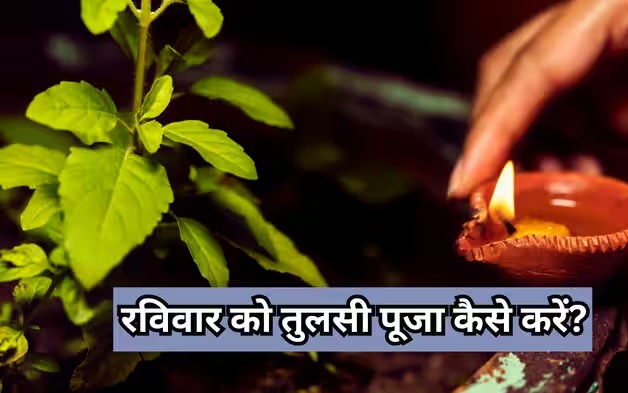
In Indian homes and Sanatan tradition, the Tulsi plant is considered not only a medicinal plant but also a symbol of purity, reverence and positivity. Different religious beliefs are prevalent regarding the care and worship of Tulsi during the seven days of the week, in which Sunday is especially discussed. Many devotees and families have questions in their minds as to how Tulsi should be worshiped on Sunday, whether it is appropriate to offer water or not, whether leaves should be plucked or not and what is the correct method of lighting lamps in the evening.
According to folk traditions and religious beliefs, it is advised to offer water to the Tulsi plant on Sunday and avoid plucking its leaves. According to many experts and traditions, it is believed that Tulsi Mata remains in a state of rest on Sunday, hence on this day one avoids touching the plant, offering water or plucking leaves.
Along with this, Sunday is considered to be the day of worship of Lord Surya, hence many families follow the tradition of offering Arghya to the Sun in the morning and silently paying obeisance to the Tulsi after daily prayers or lighting a lamp in the evening. However, there are subtle differences in the local traditions of different regions and families.
Lighting a lamp in place of Tulsi in the evening is a part of the regular and peaceful routine of many homes. Before lighting the lamp in the evening around dusk or sunset, it is considered appropriate to keep the space around the Tulsi clean and organized.
Clean earthen lamps can be used to light the lamp, in which the use of cow ghee or sesame oil is traditionally prevalent. The lamp should not be kept directly adjacent to the Tulsi plant or delicate leaves, but should be kept in a safe and ventilated place near the pot so that the heat or smoke does not cause any harm to the plant.
The tradition of faith in and daily care of Tulsi is deeply rooted in the cities of Uttar Pradesh including Lucknow, Varanasi, Ayodhya, Prayagraj and Gorakhpur and in Delhi-NCR, Rajasthan, Madhya Pradesh and Bihar. Having a Tulsi plant or pot in the courtyard, balcony or terrace is a familiar feature of Indian homes.
Even in urban homes and flats, people try to provide sunlight, air and regular care to the Tulsi plant despite limited space. Even on Sunday, people respect the tradition and maintain cleanliness around the plant and follow the tradition of lighting the evening lamp in a peaceful environment.
Along with religious faith, practical understanding of vegetation and gardening is equally important. If a plant does not get water for a long time or is exposed to strong sunlight and dry soil, then the health of the plant can be affected, hence in normal days it is important to maintain the balance of soil moisture, drainage and sunlight.
While following reverence and traditions, it is considered better to give priority to peace, restraint and practicality rather than any kind of fear or superstition. It is easy and natural to perform puja or light a lamp in a simple manner as per the elders of the house or family beliefs.
The beliefs related to Tulsi puja on Sunday and lighting lamps in the evening remain a part of the cultural and spiritual routine of Indian families. These traditions are followed naturally according to different festivals, seasons and local customs.
In the coming times too, people’s interest and engagement will remain on topics related to festivals, evening traditions and domestic faith. At present, expressing respect for Tulsi with cleanliness, reverence and balanced care is considered to be the core spirit of this tradition.