 look news india

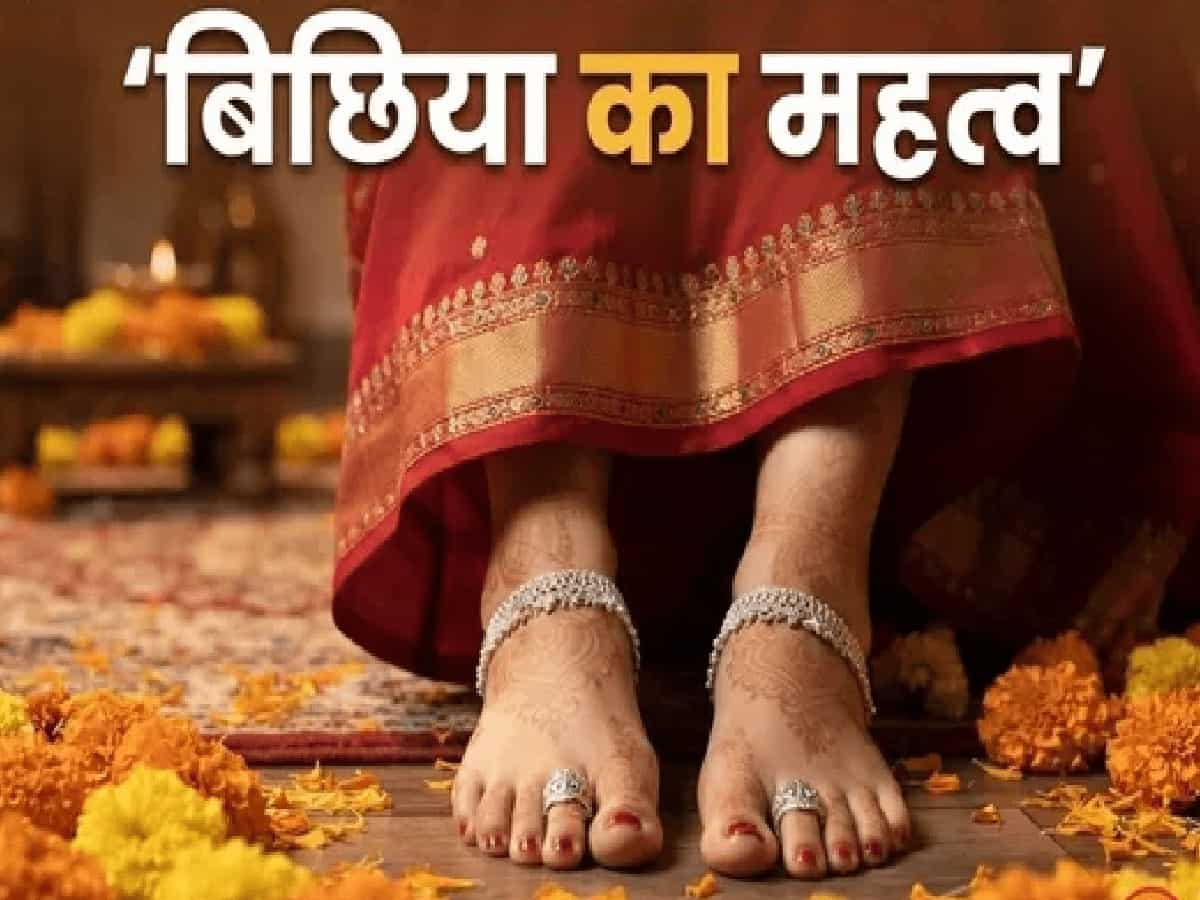
On Thursday, 26 November 2026, a cultural and spiritual news has come out from New Delhi, Ayodhya, Chitrakoot and Unnao regarding Indian Sanatan culture, sixteen adornments of married women and religious beliefs that have been going on for centuries. In Hindu religion, special importance has been given to the sixteen adornments of married women, and one of the main ornaments is the Bichhiya worn on the feet. According to the details received, generally married women wear silver rings in the second toe of both their feet, but there are many religious, mythological and traditional beliefs associated with it, not just one custom. There is a wide discussion among devotees, cultural scholars and common readers across the country from New Delhi and Ayodhya to Chitrakoot, Kashi, Prayagraj and Unnao, Kanpur, Lucknow and Varanasi of Uttar Pradesh, about the reason for wearing a toe ring on the second toe, the incident related to Mata Sita in Kishkindhakand of Valmiki Ramayana, the auspiciousness of silver and its association with good luck in marital life. Let us know in detail what is the place of toe ring in Solah Shringar, what the mythological story related to Mother Sita says and what are the popular beliefs regarding the second finger and the silver toe ring.
In Hindu religion, sixteen adornments have special significance for married women, and it is believed that wearing these adornments brings good luck to the woman and brings happiness and prosperity in her married life, among which nettle has its own special place. At the time of marriage, the husband performs the ritual of placing a toe ring on the wife’s feet, which is considered a symbol of the husband-wife’s relationship, affection and devotion to each other; According to religious beliefs, wearing a toe ring also indicates a woman’s marital status. Bichhiya is also linked to a famous incident in Canto 6 of Kishkindha Kanda of Valmiki Ramayana, according to which when Ravana was abducting Mata Sita and taking her to Lanka, Mata Sita had dropped her jewelery on the way so that Lord Shri Ram could get a hint about her. It is said that Mother Sita had also dropped the jewelery of her feet on the way, and later when Lord Shri Ram and Lakshman ji found the jewelery of Mother Sita, Lakshman ji had asked to recognize the toe tree; Due to this context, the nettle is associated with Mother Sita’s good fortune and devotion to her husband.
In Indian tradition, religious and traditional beliefs are prevalent behind the special practice of wearing a toe ring on the second toe. It is believed that the second toe is related to the reproductive system of the body, and according to some beliefs related to acupressure and Ayurveda, pressure on the second toe activates some special points of the body, due to which it is believed that wearing toe helps in balancing the menstrual and reproductive health of women. Apart from this, silver is considered an auspicious metal in Hindu religion, and according to religious beliefs, silver is related to the moon and coolness, which helps in keeping the mind calm and provides positive energy. The toe ring is not just an ornament but is also associated with the good fortune of the married woman and the blessings of Goddess Lakshmi, because it is believed that wearing a silver toe ring on the feet maintains happiness and peace in marital life and strengthens the happiness and prosperity of the family; This is the reason that even today married women consider this traditional jewelery an important part of their Solah Shringar.