 look news india

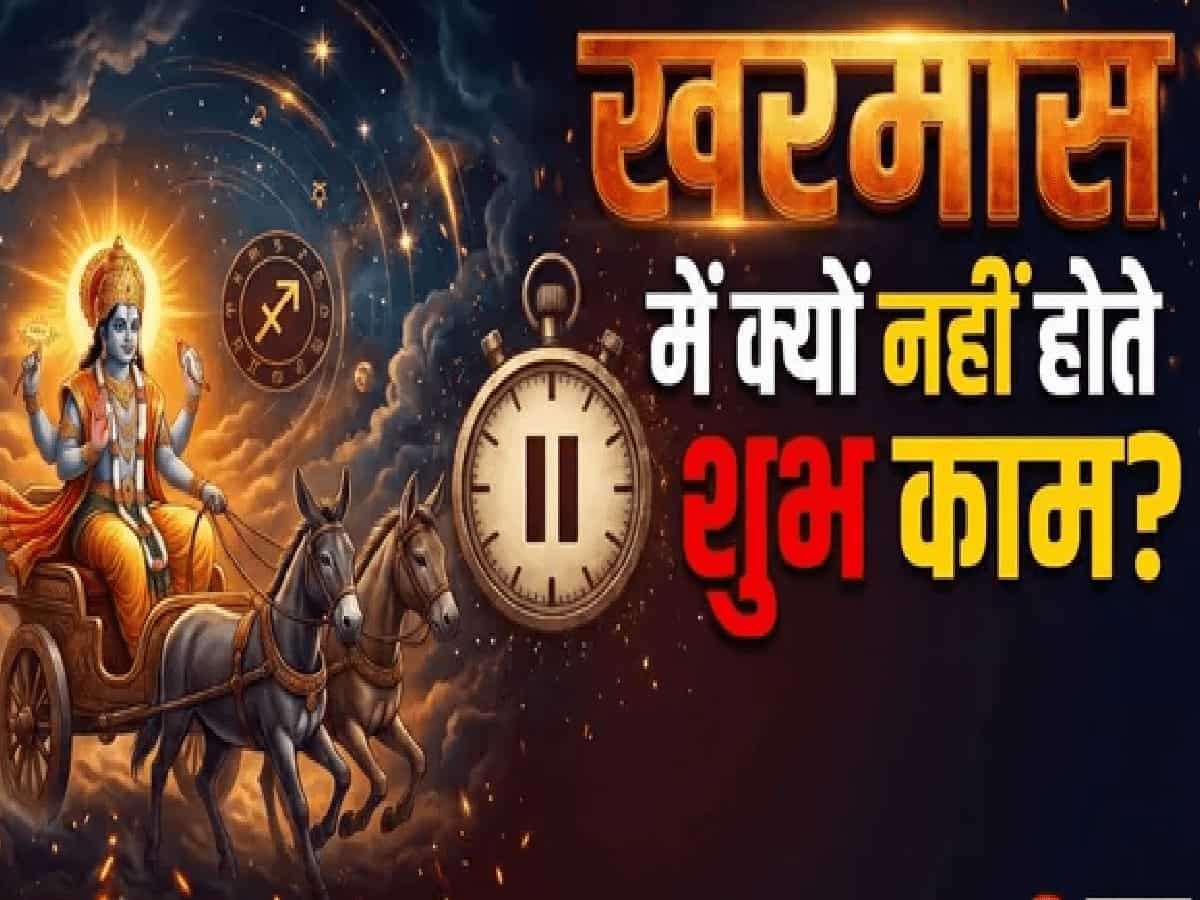
There is a long standing tradition in the Hindu calendar and folk traditions of postponing auspicious rites like marriage, mundan, griha pravesh, naamkaran and upanayana during Kharmas (which is also associated with the period of Malmas or Dhanu Sankranti in many regions). In the year 2026, this period will start with the entry of Sun God into Sagittarius on 16 December 2026 and will end with the transit of Sun into Capricorn on the day of Makar Sankranti on 14 January 2027. According to astrology and religious beliefs, new major rituals are avoided during this period due to changes in the intensity and influence of the Sun and due to lack of auspicious time for auspicious activities. For families, organizers, and devotees—especially in cities and surrounding towns like Unnao and Lucknow, Kanpur, Prayagraj, and Varanasi in Uttar Pradesh, where preparations for winter solstice, house warming, and family rituals take place in advance—understanding the dates and traditions of Kharmas helps in planning events.
| point/aspect | Main information related to almanac and folk beliefs | practical and cultural context |
|---|---|---|
| beginning of Kharmas | 16 December 2026 (with the entry of Sun God into Sagittarius). | From this day onwards, traditionally auspicious activities like marriage, mundan and housewarming are considered banned. |
| end of Kharmas | 14 January 2027 (with Sun entering Capricorn on Makar Sankranti). | After Sankranti, auspicious works start again when the auspicious time opens according to the calendar. |
| essence of mythology | There is a popular folk tale about the ‘khar’ (donkey) harnessed to the chariot during the rest of the seven horses. | As a symbol of slow pace and low energy, it is considered unsuitable for new auspicious beginnings. |
| normal routine and worship | Daily prayers, chanting, charity, ancestral/religious remembrance and service activities are commonly performed. | Only new auspicious rituals and prestige rituals are postponed, not everyday religious activities. |
According to the popular mythology, Sun God continuously revolves around the universe riding on a chariot drawn by seven horses. It is believed that when the horses feel tired and thirsty due to continuous travelling, Surya Dev leaves them to rest near a water source and temporarily harnesses two ‘Khar’ (donkeys) to the chariot to maintain its speed. In Sanskrit and folk language, ‘Khar’ has also been considered to mean donkey, due to which this period came to be called Kharmas. According to the story, due to the slowness of the chariot compared to the horses, the speed and energy of the chariot decreases, hence major new beginnings of life like marriage or house warming are not done during this period.
According to tradition, it is advised to avoid auspicious events like marriage, engagement, housewarming, mundan and inauguration of new establishments in the month of Kharmas, because it is believed that in the absence of auspicious time, such activities do not yield full results. On the other hand, charity, helping the needy, chanting mantras, reciting Bhagwat or religious texts and regular family life are not considered to be disrupted during this period, and new Muhurtas are awaited as per the Panchang after Makar Sankranti on 14th January 2027.