 look news india

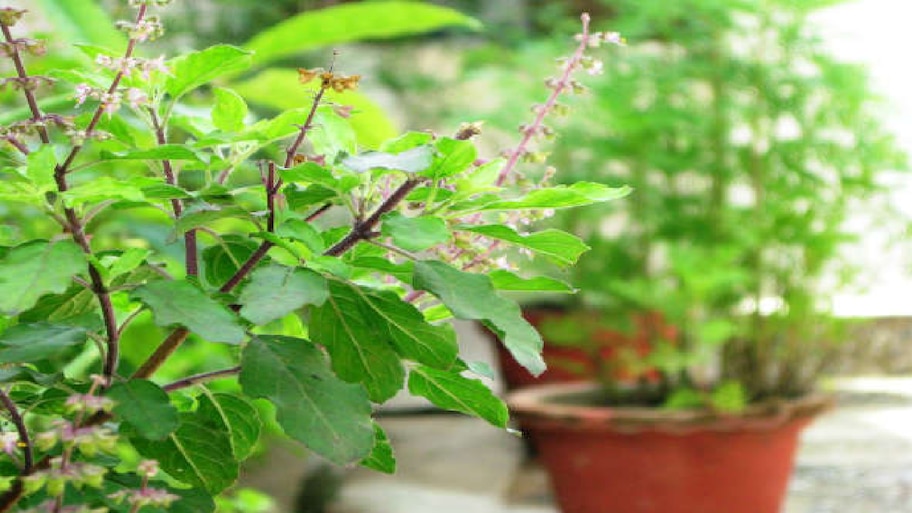
Hindu traditions: Tulsi plant has a very sacred place in Hindu religion. The tradition of planting Tulsi plant in homes and worshiping it daily has been going on for centuries. It is believed that Tulsi is very dear to Lord Vishnu, and Tulsi leaves are given special importance in the worship and offering of Vishnu. However, you might have heard elders saying that basil leaves should not be plucked after sunset. There are religious beliefs and mythology behind this tradition.
According to Hindu tradition, it is believed that Goddess Mahalakshmi resides in the Tulsi plant. Therefore, the Tulsi plant is not considered an ordinary plant but is worshiped as a form of the Goddess. There are many religious reasons given for the rule of not plucking basil leaves, especially in the evening.
Why should basil leaves not be plucked after evening?
According to Manish Sharma, Pandit and Astrologer of Ujjain, the time after sunset is considered the resting time of Mahalakshmi. There is a religious belief that at that time Goddess Lakshmi remains engrossed in the meditation of Lord Vishnu. Therefore, plucking Tulsi leaves in the evening causes pain to the Goddess. Apart from this, there is another mythological belief associated with Tulsi leaves. According to some mythology, Tulsi leaves are part of the hair of Goddess Vrindala, who is considered a form of Radha Devi. For this reason, plucking basil leaves in the evening is considered taboo.
What is the story of Goddess Vrinda behind the Tulsi plant?
According to mythology, Goddess Vrinda was an ardent devotee of Lord Vishnu. It is believed that after his death, the Gandaki river and the Tulsi plant sprang from his body and hair. Therefore, Tulsi is not just a plant but is worshiped as a form of Goddess Vrinda. Astrologer Manish Sharma told that the importance of Tulsi has also been described in the 24th chapter of the ninth Skanda of Devi Bhagwat Purana. The story of Shankhachuda and Goddess Vrinda is mentioned in this chapter.
According to the story, to protect the gods, Lord Vishnu took the form of Shankhachuda and broke the celibacy vow of Goddess Vrinda. Angered by this, Vrinda cursed Vishnu to turn into a stone. In return Vishnu promised to marry her in the next life. According to mythological belief, when Vrinda left her body, a Tulsi plant grew from her hair.
Tradition of honoring Tulsi
According to the beliefs of Hindu religion, evening is considered the time of rest for the gods and goddesses. It is believed that plucking Tulsi leaves at this time hurts Goddess Lakshmi. Therefore, elders have followed the tradition of not plucking basil leaves after sunset.
The reverence given to the Tulsi plant in Ottala, the mythological background of Goddess Vrindala and the beliefs associated with Mahalakshmi are deeply linked to the practice of not plucking Tulsi leaves in the evening. All these things are based on religious beliefs and mythology.