 look news india

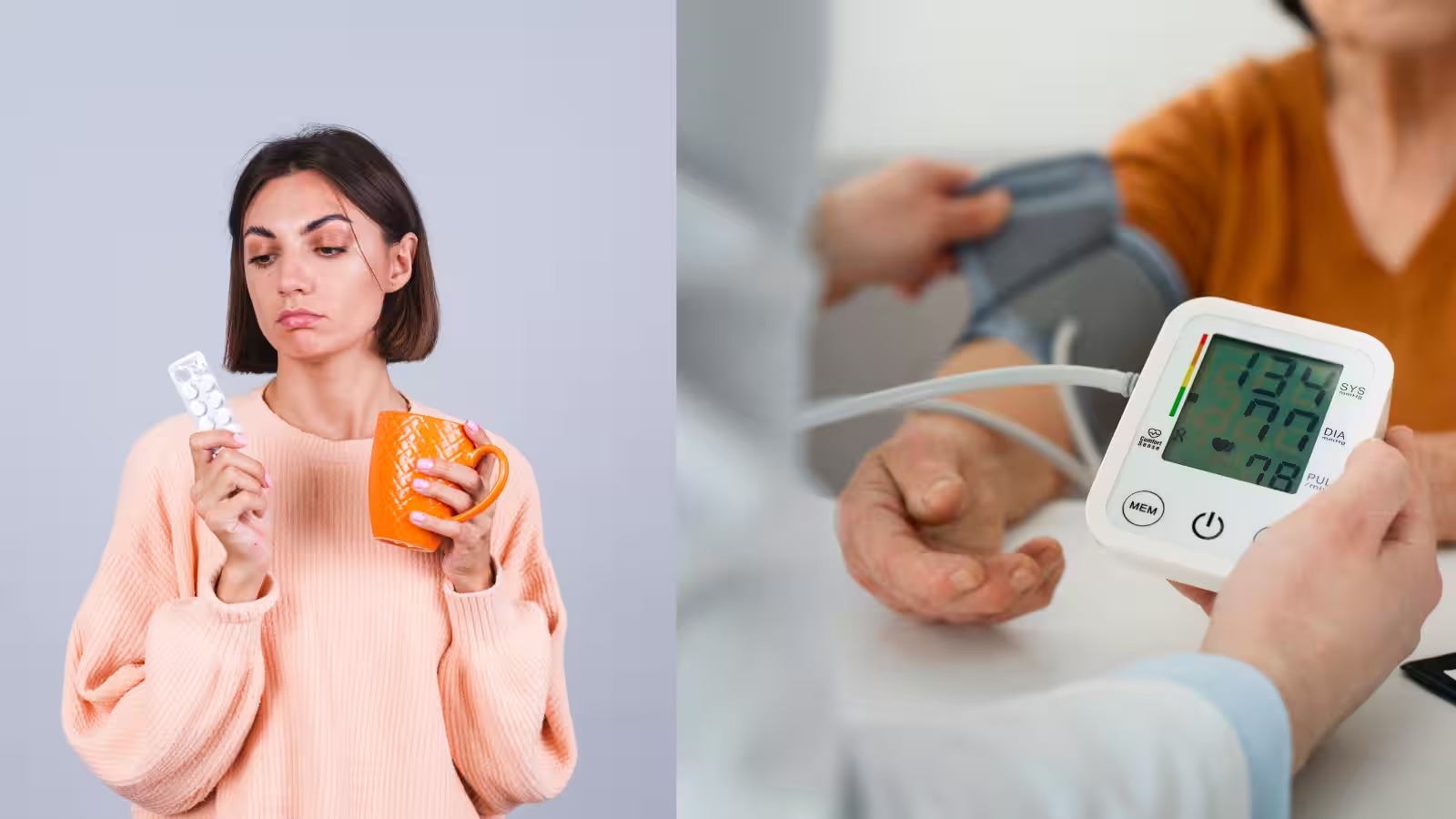
This question often arises in the minds of many patients suffering from high blood pressure (high blood pressure) that if the BP level starts appearing normal or any side effects are felt, can the medicine be stopped, and can quitting the medicine increase the risk of heart attack. According to medical experts and general medical principles related to heart disease, suddenly quitting high blood pressure medication without doctor’s advice can be dangerous. When a person stops taking regular anti-hypertensive medications, blood pressure may rise again rapidly or become uncontrolled, putting extra strain on the heart’s arteries and increasing the risk of heart attack, stroke, kidney complications, and other heart problems in the long-term or short-term.
Heart attack is not caused by any one factor, but is related to many elements like accumulation of plaque in the arteries, obstructed blood flow and blood pressure pressure, but continuous or suddenly increased blood pressure definitely increases the burden on the heart by damaging the blood vessels. Abruptly stopping certain classes of drugs—such as beta-blockers or drugs such as clonidine—can lead to a ‘rebound’ effect or rapid fluctuations in heart rate and blood pressure, so consultation with a doctor is essential before making any changes.
Often people have the misconception that if the BP readings become normal after taking medicine, it means that the disease has been completely cured and medicine is no longer needed. In fact, in most cases, medications serve to keep blood pressure under control, rather than being the magic key to eliminating it forever. As soon as the medicine is stopped, the effect of the medicine which controls blood pressure in the body starts to end and there is a possibility of BP going up again.
Additionally, high BP is often called the ‘silent killer’ because many people do not experience any obvious symptoms in the early or moderate stages. Symptoms like headache, dizziness, nervousness or fatigue are not always visible, so the absence of symptoms does not mean that there is no pressure on the blood vessels or heart internally.
Along with medicines, the role of daily lifestyle is also considered very important in keeping blood pressure balanced. Limiting the amount of excess salt (sodium) in food, eating a balanced diet, regular physical activity or walking, controlling weight, getting adequate sleep, managing stress and maintaining distance from smoking and alcohol are helpful in keeping blood pressure stable.
If a patient is feeling dizziness, weakness, cough or any other problem due to the medicine, or if the BP continues to remain normal after improving the lifestyle, then instead of stopping the medicine himself, he should contact his doctor. Doctors based on the patient’s complete medical history, age, co-morbidities and readings decide whether to reduce, change or adjust the dosage of the medicine under observation for a particular condition.
Due to changing lifestyle, stressful routine and eating habits, awareness related to high blood pressure and heart diseases has become necessary for every section of the society today. People in cities and towns across the country, including the capital Lucknow and Uttar Pradesh, have become more cautious than before about regular health checkups, BP monitoring and medical consultation.
The clear message from the medical world is that discipline and expert advice are most important to protect the heart and blood vessels. Any health decisions or medication changes should always be made under the guidance of a qualified doctor, and any emergency symptoms—such as chest pain, shortness of breath, sudden weakness or dizziness—should seek medical help immediately.