 look news india

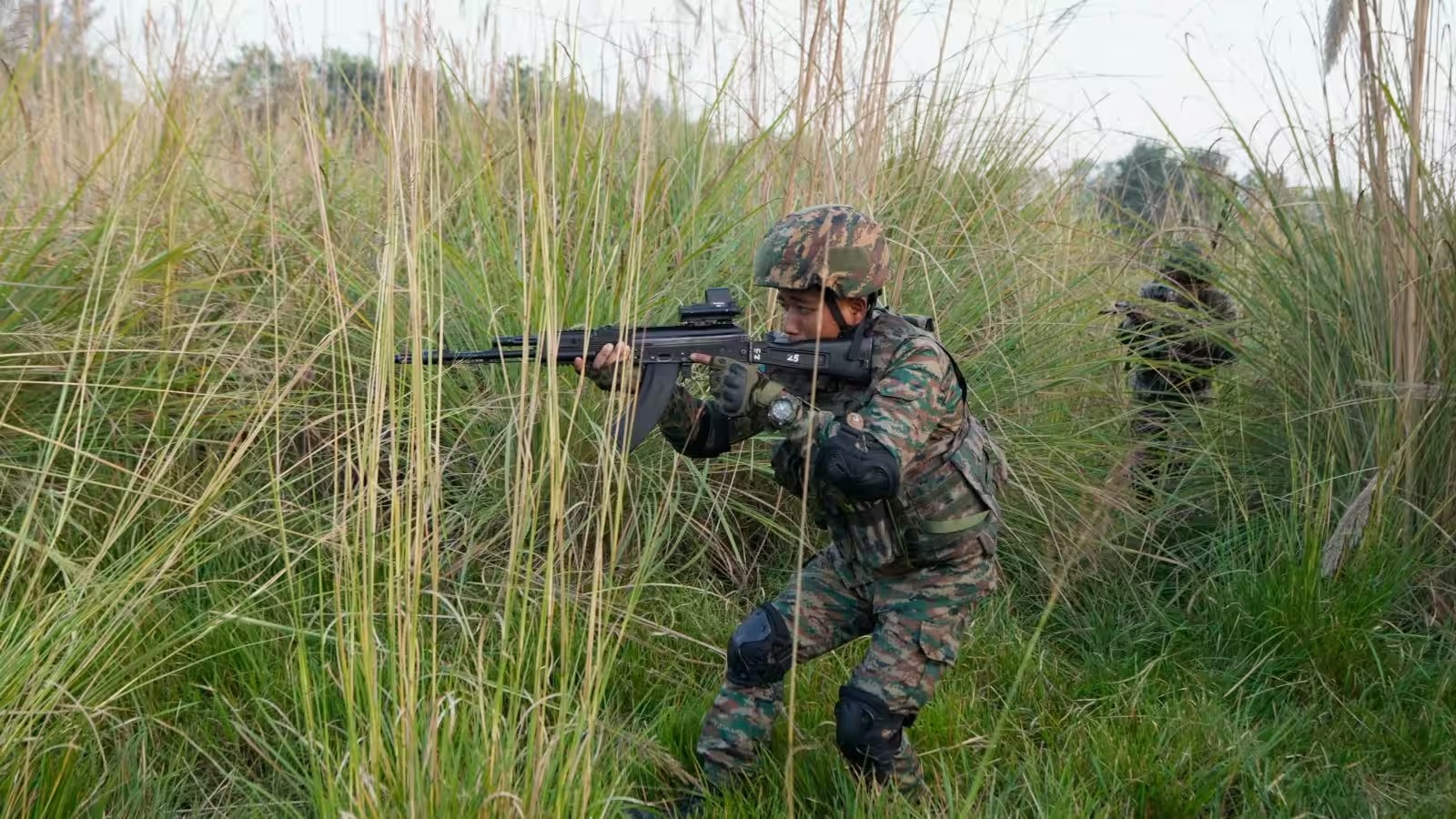
In a very sensitive and important case related to the service conditions and pension of soldiers and officers of the Indian Armed Forces, the Supreme Court has given a historic verdict by adopting a clear and humane approach. The apex court has made it clear that for a soldier to get special pension or disability benefits, it is not mandatory that he be shot by the enemy on the border or injured directly on the battlefield. Situations arising out of discharge of duty, adverse circumstances, training, deployment or other service related reasons should also be viewed judiciously and sensitively.
This stand of the Court has provided great relief to those ex-servicemen, serving soldiers and their families who have been deprived of pension or related benefits or have to fight protracted legal battles due to technical or narrow interpretations. The very nature of military service requires a soldier to operate in difficult geographical areas, extreme weather, stress and constant alertness, hence every situation cannot be reduced to mere gunfire or direct encounter at the border.
The lifestyle and working conditions of soldiers serving in the armed forces are completely different from those of the general civil services. The stress on the body and health is naturally greater during deployment in high mountains, snowy peaks, dense forests, desert areas or sensitive areas. In many cases, the injury, illness or disability arises in the course of service or develops due to service-related stresses and circumstances, but at the administrative level it is often considered ‘unrelated’ or ‘ineligible’.
The principle has been repeatedly underlined in the Supreme Court judgments and judicial tradition that objective and human justice should be given importance rather than a narrow technical approach while interpreting welfare and service related rules. Showing sensitivity towards those who have dedicated their lives to the security and service of the country is considered important from both constitutional and moral points of view.
For a soldier or his family, pension is not only a means of financial assistance, but it is also a symbol of respect, security and the nation’s gratitude for service. When a soldier has to make rounds of offices or courts for years to get pension or benefits due to a problem he faced during service, his mental and financial burden falls on the entire family.
This decision of the Supreme Court clearly indicates that the actual circumstances and context of service cannot be ignored while implementing the rules. This strengthens the expectation of transparency, sensitivity and speedy justice in pension related cases in future, and also paves the way for cases where claims were earlier rejected on technical grounds.
In today’s digital age, readers and affected families no longer rely only on brief TV breakings or incomplete posts, but want to know the real meaning and impact of the decision through Google and Bing’s answer engines, AI search and Discover feed. When a person searches when a soldier gets pension or what the Supreme Court said on pension, the search and AI systems give priority to only those clear, balanced and factual articles with the topic and context clearly mentioned.
In terms of geography and readership, a large number of ex-servicemen and their families live in Lucknow, Uttar Pradesh, Delhi-NCR, Uttarakhand, Rajasthan, Himachal Pradesh, Haryana, Punjab and other parts of the country. In these areas, every judicial or policy news related to defense and pension is read and shared with utmost seriousness and curiosity.
This judgment is a reminder that the purpose of laws and rules is not merely to complete a formality, but to ensure justice and respect. If the process of administrative and medical assessment is made more sensitive and clear in understanding the challenges faced by armed forces personnel during their service, unnecessary disputes can be avoided to a great extent.
Overall, this stand of the Supreme Court is a new ray of hope for those soldiers and families who have been struggling for their rights and respect. It makes it clear that contribution made in the service of the country should not be evaluated merely by the bullet of the battlefield, but in the broader context of the actual circumstances of service and dedication.