 look news india

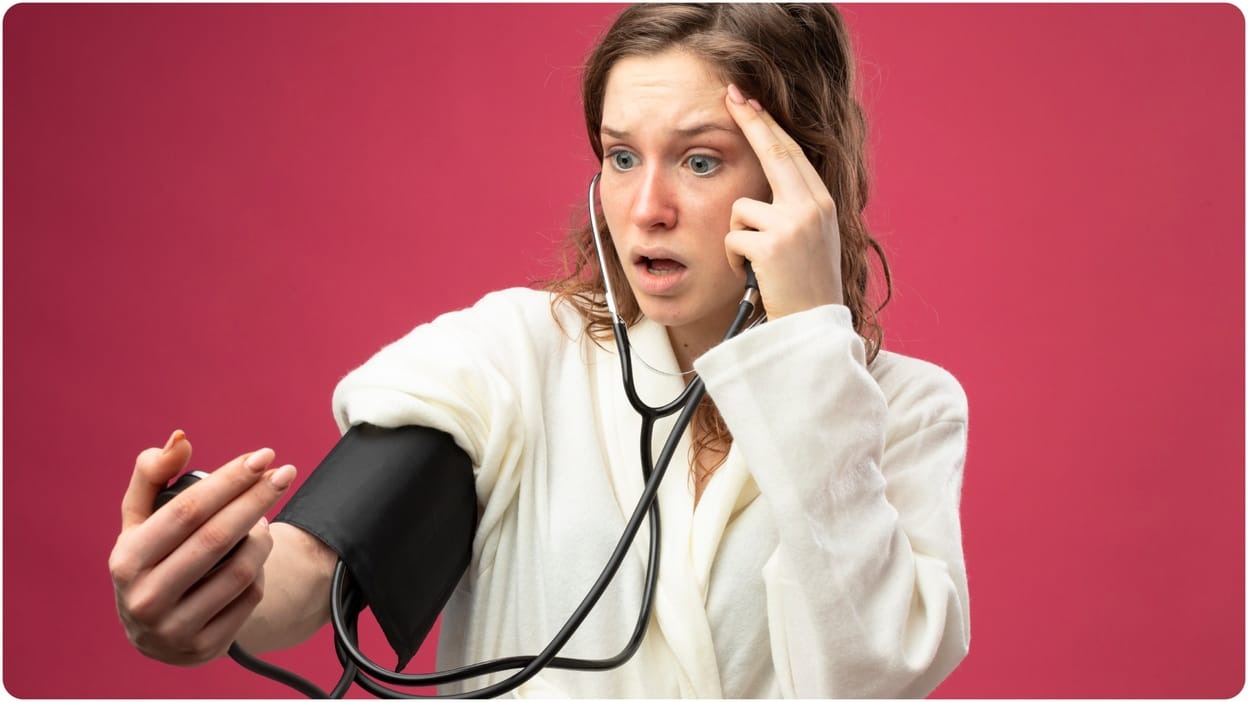
It happens with many people that they take blood pressure medicines regularly every day, but still the readings remain high during testing. According to medical science and cardiologists, when blood pressure remains above the target level despite prescribed medications and lifestyle changes, it is termed as resistant hypertension or in many cases, pseudo-resistant condition. In the families across the country, including Kanpur, Lucknow, Prayagraj and Varanasi in Uttar Pradesh, facing the problem of changing routine, eating habits, work stress and increasing blood pressure with age, this question often arises that why is BP not able to stabilize despite medicines.
According to medical guidelines, there can be many behavioral and physical reasons behind blood pressure not falling despite medications. The most common causes include excessive salt or sodium intake in food, irregularity in medication dosage or timing, side effects of painkillers or certain supplements, poor sleep or sleep apnea, stress, and obesity. Additionally, sometimes high readings can occur due to improper cuff tying during the test, nervousness in the clinic environment i.e. white-coat effect, or kidney and hormone-related problems. Experts say that instead of increasing or stopping the dosage of the medicine on one’s own will, one should consult a doctor and get all these aspects checked.
If a person’s blood pressure is repeatedly showing higher than normal, recording BP readings regularly and accurately at home helps the doctor to understand the true condition. It is considered important to sit quietly for at least five minutes before the test, avoid tea-coffee or exercise immediately and keep the arm at the level of the heart. Limiting processed and high-salt foods in the diet, maintaining regular light or moderate physical activity, getting enough sleep, and showing a list of all your medications and supplements to your doctor are important steps toward effective management.
In cities like Kanpur and Lucknow of Uttar Pradesh, monitoring blood pressure becomes extremely important due to busy lifestyle, habit of eating salty and fried foods and fluctuations in summer or winter weather. There are often no obvious symptoms in the early stages of high blood pressure, but if not controlled for a long time, it can put extra strain on the heart, brain and kidneys. If the readings rise too high or symptoms like chest pain, shortness of breath, severe headache or weakness are seen, it is necessary to seek immediate medical help.
In case BP is not controlled despite medicines, the safest way is to identify the cause in a systematic manner instead of panicking. A qualified doctor or heart specialist can decide on safe changes based on your medication combination, test reports and lifestyle. In the times to come, special attention should be paid to keeping blood pressure balanced through regular follow-up and disciplined routine.