 look news india

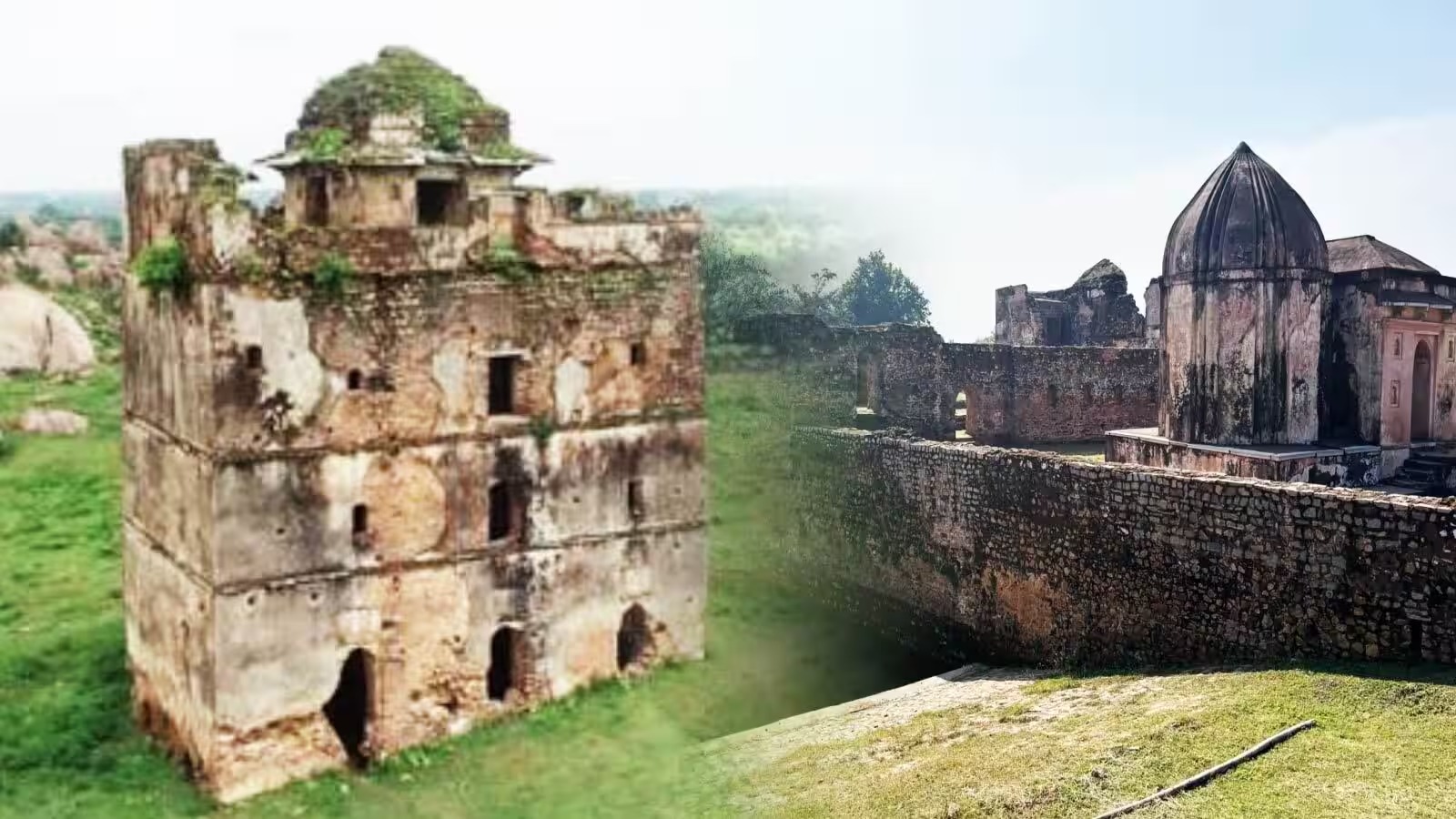
Gumla district, situated in the lap of Chhotanagpur Plateau of Jharkhand, is known for its natural beauty, dense forests and tribal culture, but within this land there is also a historical chapter hidden which reflects the glorious tradition of the centuries-old dynasty. The Navratnagarh Fort under Sisai block and the remains of the Royal Palace present there tell a living story of the reign, architectural skills and regional politics of the Nagvanshi kings. Despite the ravages of time, changing capitals and neglect, the walls of these ruins still remind of the era when this place used to be the center of power, culture and strategic importance.
Locally and in historical contexts the site is also identified as Doisa or Doisagarh. When the importance of this fort as a capital increased during the reign of Nagvanshi rulers, palaces, forts, security posts and other administrative and religious structures were developed here. Standing amid dense trees, rocky slopes and tranquil rural surroundings, these remains are as mysterious as they look, as they are rich because they contain indications of the construction techniques and lifestyle of that time.
The role of Nagvanshi dynasty has been very important in the history of Chhotanagpur region. The Nagavanshi kings who ruled this region for centuries created a unique identity by combining local traditions, strategic needs and administrative systems. Navratnagarh is considered a major center of Nagvanshi heritage, from where governance and regional influence was strengthened. According to historians and heritage lovers, the remains of any ancient fort or palace complex are not just a pile of stones and bricks, but they are evidence of the economic condition, artistic understanding and defense strategy of that society.
With time, when the centers of power changed and new administrative and political equations were formed in the region, many historical sites gradually went away from mainstream discussions. Same thing happened with Navratnagarh that this place could not remain as popular among the common people as it should have been as per its historical importance. However, the site has always been a subject of attraction and curiosity for researchers and local citizens interested in history.
Looking at the remains of the Royal Palace and Fort complex of Navratnagarh, it can be guessed that once upon a time there must have been grand structures here. The old walls, the marks of the arches, the outlines of the chambers and the natural surroundings all around give a distinct historical atmosphere to this place. For the people coming from Gumla and surrounding areas like Ranchi, Lohardaga, Simdega and Sisai, this area feels like a confluence of nature and history.
From the point of view of geography and security, the undulating terrain, forest areas and natural formations served as important protective shields for such forts. In ancient times, rulers used to choose such places from where the surrounding areas could be monitored and protection from external threats was also easy. Today, when nature has taken these remains into its embrace, this scene between greenery and ancient construction creates a unique peace and historical depth.
Regarding the conservation of historical and cultural heritage in Jharkhand, it has been raised from time to time that places like Navratnagarh should be preserved and brought prominently on the map of tourism and research. Heritage experts believe that if such historical complexes are conserved scientifically, clear information boards are installed there and access roads are improved, then it can give a new direction to the local economy and heritage tourism.
Those who plan to visit Navratnagarh or learn about the history closely, should respect the cleanliness, safety of ancient structures and local rules. It is extremely important to avoid climbing on the remains or vandalizing them in any way as these heritage sites are a treasure of shared history for our future generations. The story of this seemingly unknown fort of Gumla tells how deep are the layers of history in the land of Jharkhand, the need to understand and preserve them remains the same even today.