 look news india

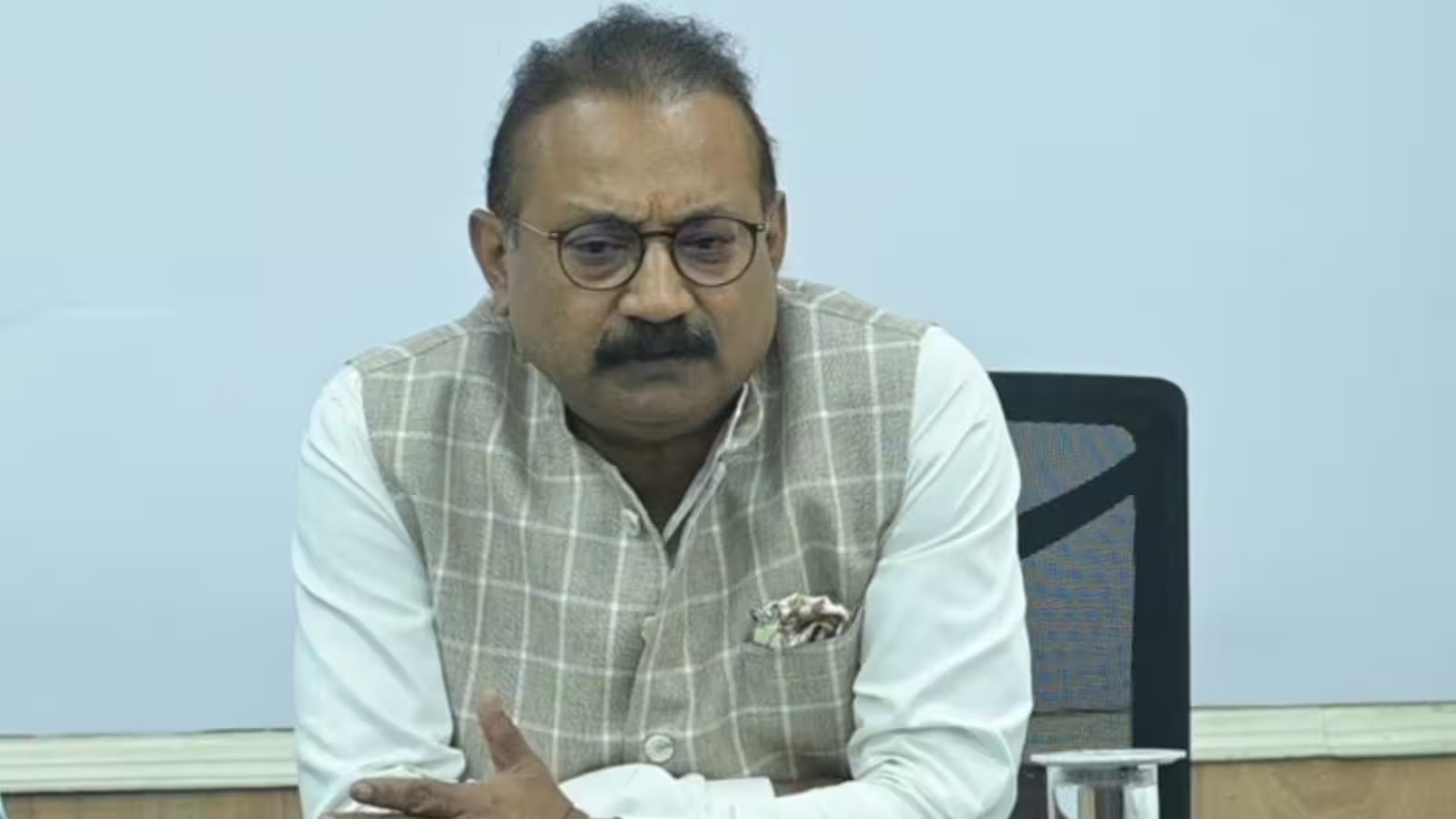
In Indian democracy and parliamentary politics, ‘Office of Profit’ has always been the most sensitive subject of constitutional decorum, transparency and accountability. After the appointment and taking charge of the post of Assistant Professor, Minister and Legislative Council Member (MLC) in Bihar Government, Ashok Choudhary, the debate has once again heated up whether the rule of office of profit applies to him and what will be the impact on his Legislative Council membership. There is intense speculation in political circles after Raj Bhavan sought legal opinion from the Advocate General in this matter and Rashtriya Janata Dal (RJD) raised the demand for disqualification. There are many such examples in the pages of history where from Sonia Gandhi and Jaya Bachchan to BJP and BSP MLAs have faced challenges in matters related to office of profit and situations like loss of membership, but the case of Ashok Choudhary is considered different due to many technical aspects.
Under Article 102(1)(a) of the Indian Constitution, Members of Parliament and Members of State Legislatures (MLAs and MLCs) under Article 191(1)(a) of the Indian Constitution are barred from holding any ‘office of profit’ under the Central or State Government which carries with it any financial gain or privilege, unless exempted by law. According to constitutional experts, the purpose of this provision is to prevent the balance of powers and conflict of interests between the legislature and the executive, so that no public representative compromises his independent role by taking economic or administrative benefits from the government. In the case of Ashok Choudhary, questions have been raised regarding his joining as Assistant Professor of Political Science in AN College, Patna under Patliputra University on 17 February 2026 and his application for leave/leave the very next day.
The Jaya Bachchan and Sonia Gandhi episodes are often cited as the most prominent examples in the office of profit debate. In Jaya Bachchan’s case, the Supreme Court had clarified the important principle that for an office to be an office of profit, it is not necessary that the person concerned should actually draw salary or remuneration; If the position involves the right or opportunity to receive financial benefits or facilities, then it can also come under the ambit of office of profit. In the year 2006, Sonia Gandhi had resigned from Rae Bareli Lok Sabha seat after the post of President of National Advisory Council (NAC) following the office of profit controversy and later reached the House after winning the election. Apart from this, there have been examples of termination of membership of MLAs in the states too – like in Uttar Pradesh in 2015, the membership of BJP MLA Bajrang Bahadur Singh was canceled in a matter related to office of profit, while the membership of a BSP MLA was also terminated after Lokayukta inquiry and consultation with the Election Commission in a matter related to government contracts while he was an MLA.
Legal and administrative analysts believe that Ashok Chaudhary’s situation is different from many cases that have come before. Generally such disputes come to light when a person is elected as MLA or MLC while already serving in any government or university service and arrangements are made under the provisions of service rules or lien. Here, the situation is being said to be the opposite that joining on the post of Assistant Professor was done while being a Minister and MLC and during the probation period, questions were raised at the Raj Bhavan and University level regarding eligibility for lien and leave. Raj Bhavan Secretariat has sought legal advice from the Advocate General, while opposition leaders are demanding a quick and clear decision on this issue.
This matter has become the center of discussion in the politics of Bihar from Patna to various districts, while political observers from Hardoi, Lucknow and other states of Uttar Pradesh are also closely watching this constitutional process. The question of disqualification of any public representative is not decided only by political allegations but within the scope of constitutional provisions, interpretation of relevant Acts, advice of the Election Commission and the jurisdiction of the Governor/Chancellor. Only after the legal opinion of the Advocate General comes out, it will be clear in what form the rules of office of profit apply in the case of Ashok Choudhary and what is its final result on his Legislative Council membership.