 look news india

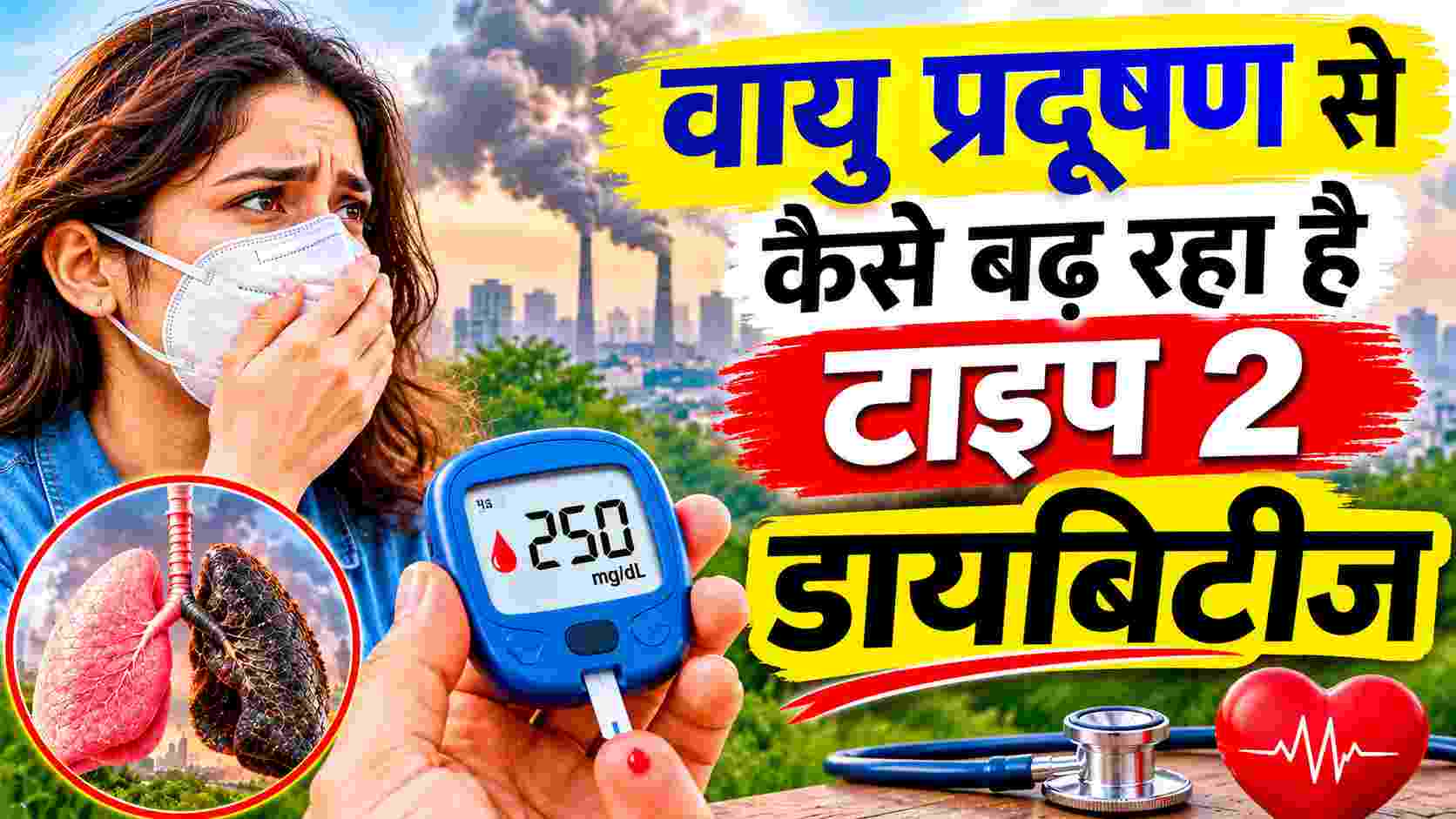
With the onset of winter, the air of most of the cities of North India including Delhi-NCR, Lucknow, Kanpur, Patna and Jaipur becomes extremely poisonous. Generally, common citizens believe that air pollution has a direct impact only on our lungs and respiratory system, which causes cough, asthma or difficulty in breathing. But modern medical science and recent international research have completely changed this perception. According to endocrinologists and cardiologists, microscopic toxic particles dissolved in the air—especially PM 2.5—enter our bloodstream through breath and disrupt the body’s metabolism. As a result, not only is there a rapid increase in new cases of Type 2 diabetes, but the risk of heart attack and stroke has also increased manifold for patients already suffering from diabetes and heart disease.
According to medical experts, PM 2.5 particles are so fine (less than one-thirtieth the thickness of a human hair) that they cross the lung membrane and enter the bloodstream directly. When these toxic particles and nitrogen dioxide (NO2) reach the blood, the body’s immune system is activated and causes chronic systemic inflammation and oxidative stress throughout the body. This internal inflammation reduces the sensitivity of the body cells to the insulin hormone, which is called insulin resistance in medical language. Apart from this, poisonous air disrupts the normal absorption of glucose in the liver and muscles and also damages the insulin-producing beta cells of the pancreas. When the body is not able to use insulin properly, the sugar level in the blood starts increasing continuously and the person becomes vulnerable to type-2 diabetes. Many large studies have found that people living in polluted air for a long time have a 15 to 25 percent higher risk of developing diabetes.
Along with diabetes, air pollution acts like a slow poison for our heart and blood vessels. When PM 2.5 particles and carbon monoxide come in contact with the endothelium of the blood vessels, the veins begin to shrink and become swollen. Due to this, blood pressure (hypertension) suddenly increases and the heart has to work harder to pump blood throughout the body. Not only this, due to pollution, the blood starts thickening and the cholesterol plaque already deposited in the arteries can become unstable and burst, due to which the risk of blood clot formation and sudden heart attack (Myocardial Infarction) or brain stroke increases. Doctors say that for people who have both type-2 diabetes and high blood pressure, the risk of cardiovascular complications doubles on days with poor AQI.
The elderly, obese people, pregnant women, children and those with a family history of diabetes or heart disease are most at risk of metabolic and cardiovascular diseases caused by toxic air. If while living in a polluted environment, you are constantly feeling extremely tired, feeling thirsty again and again, urinating frequently at night, there is a delay in wound healing or you are feeling short of breath and heaviness in the chest even after climbing the stairs, then do not ignore it as just the effect of the weather. These symptoms can be early signs of uncontrolled blood sugar and increased pressure on the heart, which should be immediately checked by a doctor.
To keep your health safe amid increasing pollution, it is very important to make some concrete changes in lifestyle. First, avoid outdoor exercise or morning walks in the early morning and late evening when smog and PM 2.5 levels are highest and do yoga or light exercise indoors. Second, when going out of the house, wear a good quality N95 or N99 mask instead of a normal cloth mask. Third, include foods rich in antioxidants and vitamin C and vitamin E in your diet—like amla, orange, turmeric, ginger, walnuts, flax seeds and green leafy vegetables, which reduce oxidative stress and inflammation caused by pollution in the body. Fourth, use air purifiers or indoor plants like areca palm and snake plant to keep the air pure inside the house and drink adequate amount of water. Fifth, if you are already a patient of diabetes or heart disease, take your medicines on time and get regular check-ups of HbA1c, lipid profile and blood pressure every three months.