 look news india

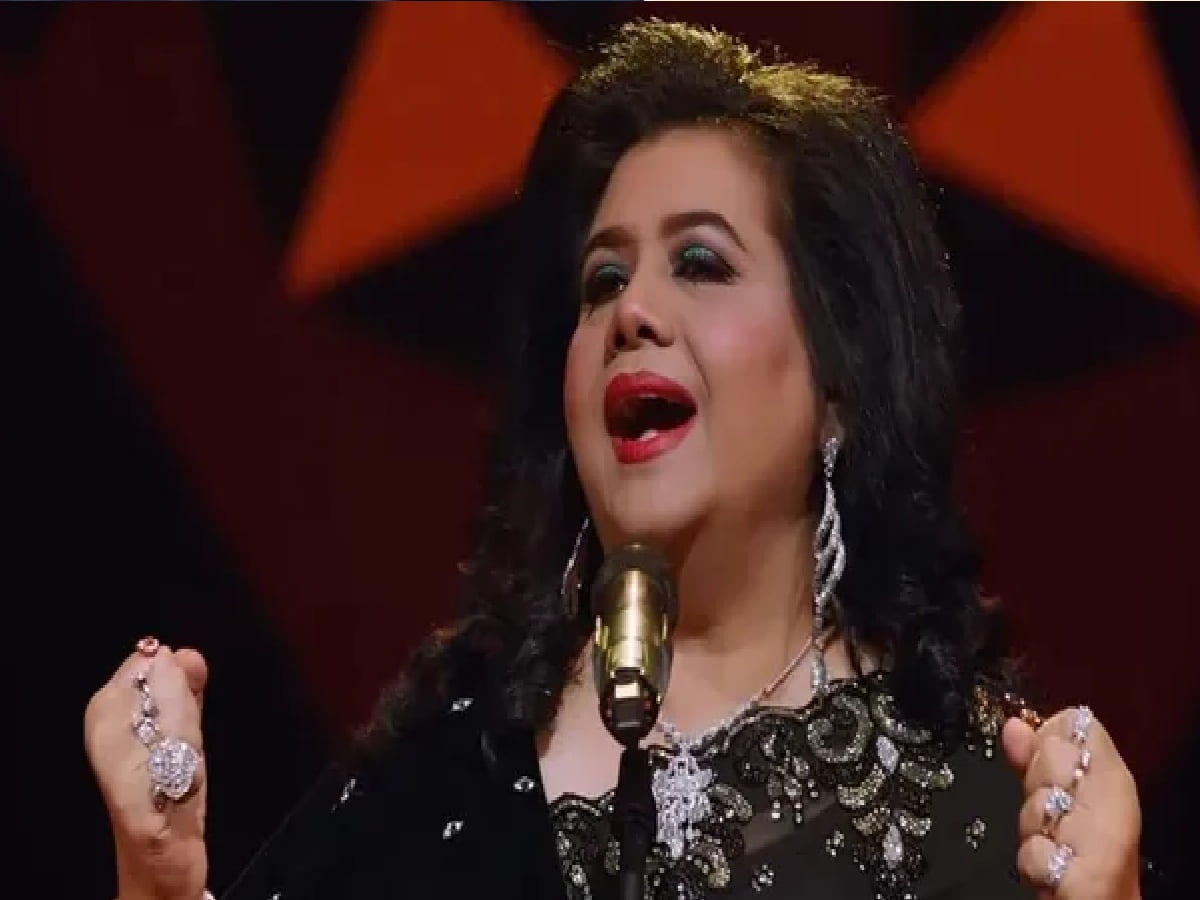
Whenever there is mention in the pages of the Indian music world, international art galleries and the picturesque history of South Asia about those legendary and immortal singers who crossed all the walls of borders and directly ruled the hearts of millions of music lovers, then in them Runa Laila The name is taken at the top and with utmost respect. This great singer, known as ‘Queen of Melody’ in the world of music, captivated not only India but also Pakistan and Bangladesh – i.e. the entire South Asia – with her magical melodious tunes with her unimaginable magical voice, simplicity and unmatched singing style. The journey of his life, his accidental entry into the world of singing, the charisma of making a Guinness World Record by recording 30 songs in just 3 days and the immense popularity he achieved in all three countries through one of his famous Sufi songs is no less than a film story. Let us know in detail how was the entire journey of this great South Asian singer Runa Laila and what are the unheard and interesting stories related to her life which are still fresh in people’s minds.
Born in East Pakistan and got unexpected opportunity for singing due to sister’s ill health.
The biggest example of how strange the games of fate and destiny are, is the early life of Runa Laila. Birth of Runa Laila 17 November 1952 It was born in Sylhet in the then East Bengal (which was then part of the former Dominion of Pakistan). There was always a musical atmosphere in his house, because his mother herself was a great music lover and wanted her daughters to get training in classical music. Runa’s elder sister Deeba Laila was sent to learn dancing and singing in her childhood, and she often performed on various platforms.
But one day an incident happened which changed the course of history. Just before the day when the program was to be held on a big stage, Runa Laila’s elder sister Deeba got a severe sore throat and her voice was completely lost. When the program was about to be cancelled, the people of the house thought why not send little Runa on the stage so that the program could be saved. At that time, Runa, who was very young, took the stage without any professional preparation and captivated everyone with her melodious voice. Her sudden beginning was so tremendous that people started idolizing her, and from here began the golden journey of a girl from an ordinary family becoming the ‘Queen of Melody’ which later became history.
Started career from Pakistani film industry, became superstar overnight with traditional Sufi song ‘Dama Dam Mast Qalandar’
After proving her mettle on the stage in place of her sister, Runa Laila did not look back. She officially started her professional playback singing career in the Pakistani Film Industry in the late 1960s. In that early period, his singing style was greatly inspired by the style of Pakistan’s then veteran playback singer Ahmed Rushdi, and he also sang many popular duets with him, which were highly appreciated by the audience.
But the biggest and historical recognition that Runa Laila got on the international platform was the traditional and immortal Sufi songs sung by her. ‘Dama Dam Mast Qalandar’ Got it from. When Runa Laila sang this Sufi song with her unique and hair-raising energy, the song crossed all the borders. Apart from Pakistan, this song simultaneously created such a magic on the hearts of music lovers of India and Bangladesh – these three neighboring countries that overnight she became the most favorite and popular singer of South Asia. There was such a wonderful confluence of the spirit of Sufism and the sweetness of folk music in his singing that everyone became mesmerized after listening to it.
When Runa Laila came to India: Created new history with Kalyanji-Anandji and Bappi Lahiri
The year 1974 was the year when Runa Laila, hoisting the flag of her art, stepped onto the soil of India’s financial capital Mumbai (Mumbai) and presented her first grand concert. His journey in India started with renowned musician Jaidev, whom he first met in Delhi. After this, in the year 1976, he got a golden opportunity to work with the famous music composer couple of Indian cinema, Kalyanji-Anandji in the superhit film ‘Ek Se Badhkar Ek’.
For this film he ‘My Babu Chail Chabila’ And ‘Dama Dum Mast Kalandar’ Like singing evergreen songs, which made him a permanent and indelible place among the Indian audience. The magic of his voice was such that people were forced to dance to his songs. After this, in the year 1982, Runa Laila created another new history in the world of music, when she released a special album under the direction and composition of the famous musician Bappi Lahiri. ‘Superuna’ of the record. The popularity of this album can be gauged from the fact that it made a record of selling more than one lakh copies in the market on the very first day of its release, for which it received a prestigious award. ‘Golden Disk Award’ Was honored with.
Recorded his name in Guinness World Records by recording 30 songs in 3 days
The biggest and surprising milestone in Runa Laila’s musical life is that record about which even today people talk with surprise. With his extraordinary voice, amazing concentration, depth of state and incredible speed of singing, he created a record which is rarely achieved by any artiste.
Runa Laila, during that golden period of her singing, Recorded a total of 30 songs within 3 days Had accomplished an unimaginable feat. Recording so many songs in such a short time without any tune going astray and without any long hassle of retakes was a very difficult task both technically and physically. In recognition of his unprecedented and historic performance, he was named ‘Guinness World Records’ Which established him as a unique personality on a global level.
Even though today the era of technology and auto-tune has come in the world of music, but natural and God-given voices like Runa Laila are born only once in a century. The name of Runa Laila, who nourished the common cultural heritage of the three countries – India, Pakistan and Bangladesh with her melodious voice, will always remain immortal in the history of music, and the tunes sung by her will continue to illuminate the hearts of many generations to come.