 look news india

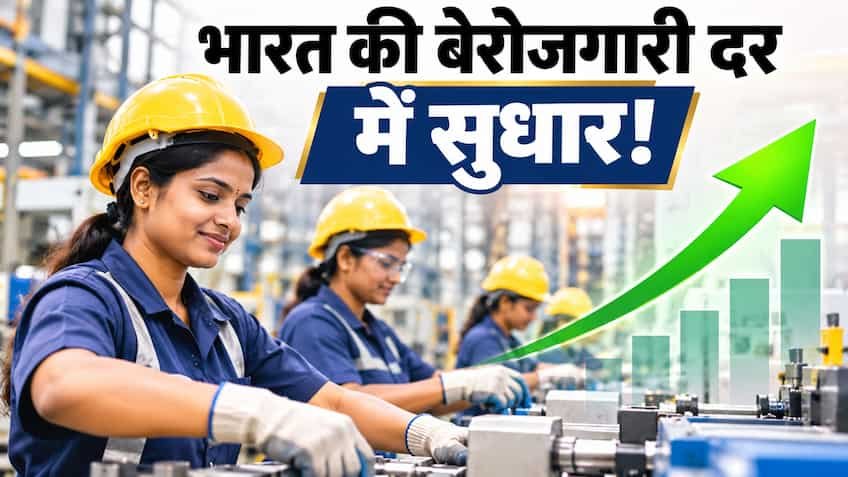
A very positive and encouraging news has emerged for the Indian economy and employment market. The monthly bulletin of the Periodic Labor Force Survey (PLFS) for October 2026 released by the Union Ministry of Statistics and Program Implementation (MoSPI) has recorded a major improvement in the country’s employment scenario. According to the latest data, the country’s overall unemployment rate among people aged 15 years and above has come down to 4.9 percent, which was recorded at 5.0 percent in September 2026. Even on an annual basis, there has been a clear decline of 0.3 percentage points. Employment opportunities, especially for women, have expanded rapidly and the Female Labor Force Participation Rate (LFPR) has increased to 35.0 percent. The survey, based on data collected from a total of 3,70,475 citizens in both rural and urban areas of the country, presents a strong picture of increasing participation of women in the workforce and decreasing unemployment.
The main highlight of the PLFS report for October 2026 is the continuously increasing participation of women in the workforce. According to the data, the overall labor force participation rate (LFPR) for women aged 15 and above increased from 34.6 per cent in September 2026 to 35.0 per cent in October, the highest level since February 2026. If compared annually, female participation has increased by 0.8 percentage points. The biggest engine of this growth has been rural India, where the rural female labor force participation rate has increased by 0.6 percentage points in a month to 39.5 percent. On the other hand, female labor force participation in urban areas remains stable at 25.9 percent. Along with this, Female Worker Population Ratio (Female WPR) has also increased by 0.5 percentage points to 33.3 percent as compared to last month, which shows that more women looking for work are getting real employment.
According to the new PLFS bulletin, not only has the working share of women increased, but the unemployment rate among them has also declined significantly. The overall unemployment rate among women aged 15 and above declined from 5.2 percent in September 2026 to 5.0 percent in October. There has been a decline of 0.4 percentage points in female unemployment on an annual basis. The female unemployment rate in rural areas has fallen from 3.9 percent to 3.8 percent, which is the lowest level so far in the year 2026. At the same time, there has been a big relief in female unemployment in urban areas and it has come down from 9.2 percent to 8.7 percent. In contrast, the overall unemployment rate for men remained unchanged at 4.9 percent.
Looking at overall labor market indicators at the national level, the total labor force participation rate (LFPR) for persons aged 15 years and above has increased to 55.7 per cent in October 2026, an improvement of 0.3 percentage points year-on-year. The overall LFPR in rural areas has increased from 58.0 percent in September to 58.4 percent, while in urban areas it has declined marginally from 50.7 percent to 50.5 percent. Similarly, the country’s total worker population ratio (WPR), which shows the proportion of employed people in the total population, has improved to 53.0 percent from 52.7 percent in September. If we look at the separate figures of urban and rural unemployment, the urban unemployment rate has declined from 6.9 percent in September to 6.7 percent in October, while the rural unemployment rate remains firmly at the low level of 4.2 percent.
This is the 19th monthly bulletin under the revised survey method implemented by the National Statistical Office (NSO) from January 2025, which takes the latest pulse of the country’s labor market on the basis of Current Weekly Status (CWS). Economists and policy makers believe that in states like Uttar Pradesh, Bihar, Madhya Pradesh, Rajasthan, Maharashtra and Delhi-NCR, the expansion of rural infrastructure, self-help groups (SHGs), MSME sector and service sector is providing new employment opportunities to women at the local level. The festive season and sowing activities of Rabi crops have also boosted the demand for labor in rural and semi-urban areas in the month of October. These strong employment figures will not only boost domestic consumption but will also give new momentum to the country’s economic growth rate.