 look news india

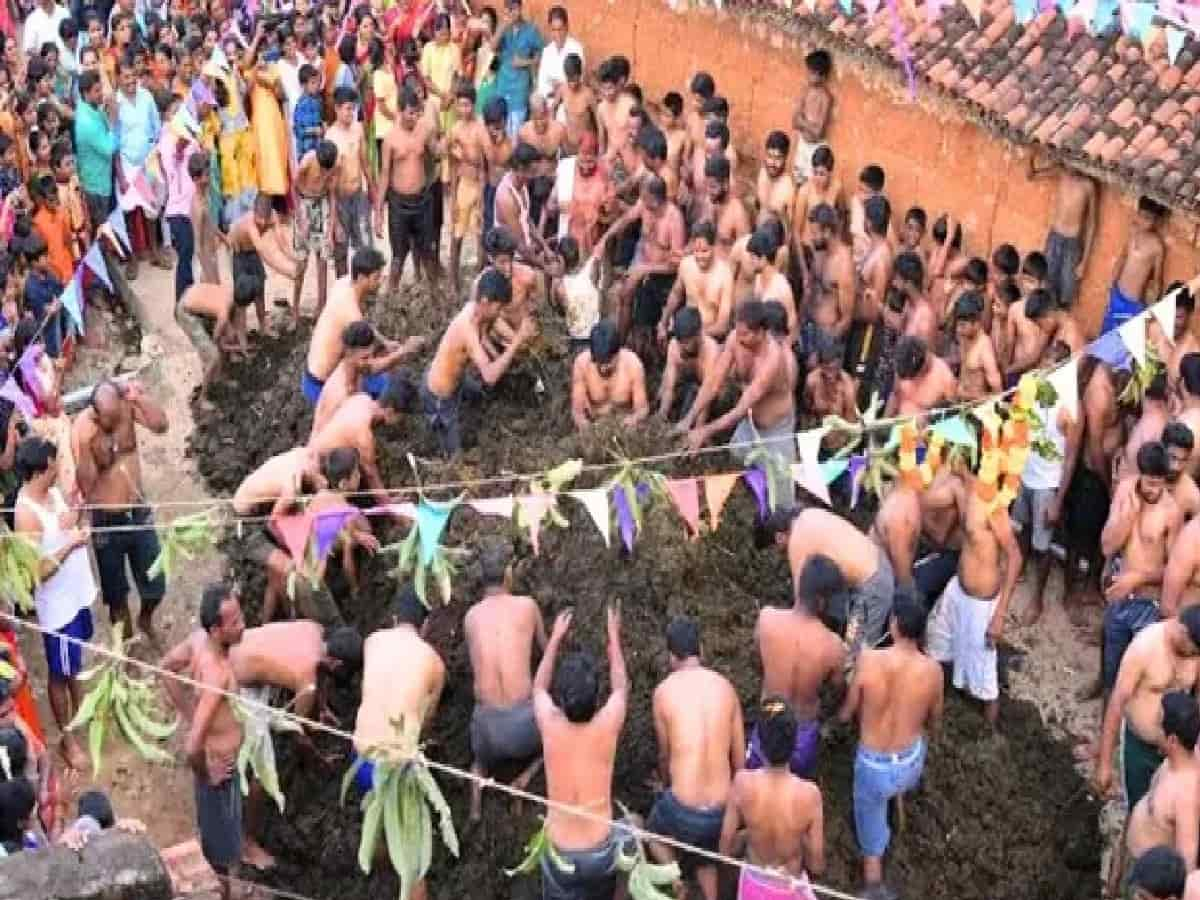
Indian culture is a land of diverse customs and unique traditions, where every festival has some unique history and folk belief associated with it. While the festival of Diwali is celebrated with great pomp across the country with lights and firecrackers, in a small part of South India, on the very next day of Diwali, such a surprising and unique festival is celebrated, which leaves everyone astonished. For centuries, in a particular village situated on the border of Karnataka and Tamil Nadu ‘Gore Habba’ A festival named Naam is celebrated in which people throw not mud or color but balls of fresh cow dung at each other and express their happiness. It is also locally known as ‘Cow Dung Festival’. People come from far and wide to see and participate in this unique tradition. Let us know in detail what is the complete story of this age-old and interesting festival, how it is celebrated and what are the beliefs behind it.
This centuries-old festival is celebrated in Gumatapura village located on the Karnataka-Tamil Nadu border.
The main center of this unique ‘Gor Habba’ festival celebrated in South India is located near the border of Karnataka and Tamil Nadu. Gumattapura It is a village. Local villagers and elders say that this tradition is not new, but it is a very interesting part of the centuries-old cultural heritage of about 300 years. On this day, hundreds of people of the village gather in an open ground and participate enthusiastically in this unique festival.
Preparations for this festival start from the morning the next day of Diwali. Villagers collect cow dung from their respective homes and surrounding areas and bring it and pile it in a big pile near the main temple of the village. After this, that dung heap is worshiped by the village priest or under a special ritual. After the puja is over, the real celebration begins, where people knead cow dung with their hands, make small balls out of it and start throwing it at each other. Within a few moments the whole atmosphere turns into a big playground, where everyone is seen drenched in this cow dung Holi.
This cow dung festival of India is like Spain’s ‘Tomatina Festival’, what is the belief behind it?
Often people compare this unique festival with Spain’s world famous festival. ‘Tomatina Festival’ Where people celebrate by throwing ripe tomatoes at each other. On the same lines, in this rural area of India, cow dung is used instead of tomatoes, that is why it is also called the ‘Dung Festival’ of India. Although, it may seem a bit strange to outsiders, but for the people of this region, it is a subject related to their deep faith and culture.
Behind this unique practice are the deep religious and cultural beliefs of the local people. The villagers have an unwavering belief that cow dung has special purifying properties naturally. They believe that applying this cow dung on the body not only purifies the body but also destroys the evil forces in the village. This festival is entirely dedicated to the local deity of the village. Beereshwara Swamy It is associated with devotion, worship and expressing gratitude towards them. Villagers also believe that celebrating this festival strengthens the brotherhood in their village, provides good health to the people and brings prosperity to the fields in the coming days.
A means of meeting migrant villagers and a unique symbol of mutual brotherhood.
‘Gor Habba’ is not just a game of throwing cow dung, but it is also a great medium of social interaction and unity. In the modern era, many youth and families of this village have settled in different parts of the country and big cities for employment or studies. But on the occasion of Diwali and this traditional festival, they all return to their native village Gumatapura.
This festival provides a great opportunity to many people to meet their old friends, relatives and family members again, hug and celebrate together. The people of the village participate together in this festival without any discrimination, irrespective of their age or class. While throwing cow dung on each other, people forget all their grudges and laugh with each other.
After the end of the festival, the rituals are completed by taking bath, a precious part of the culture.
After this whole day long game of cow dung and hooliganism, when the evening falls, this festival comes to an end. After the festival is over, all the villagers go to the nearby pond, river or their homes and take a thorough bath and wear clean clothes. This bath is also considered a process of purification.
Even in this era of modernity and globalization, the people of Gumatapura village have kept their ancient and unique tradition alive. This festival is a living example of how far Indian society is connected to its roots and traditional culture. It may be a strange or unique event for the outside world, but for this village ‘Gor Habba’ is the biggest and most beloved festival of their identity, their prosperity and their faith.