 look news india

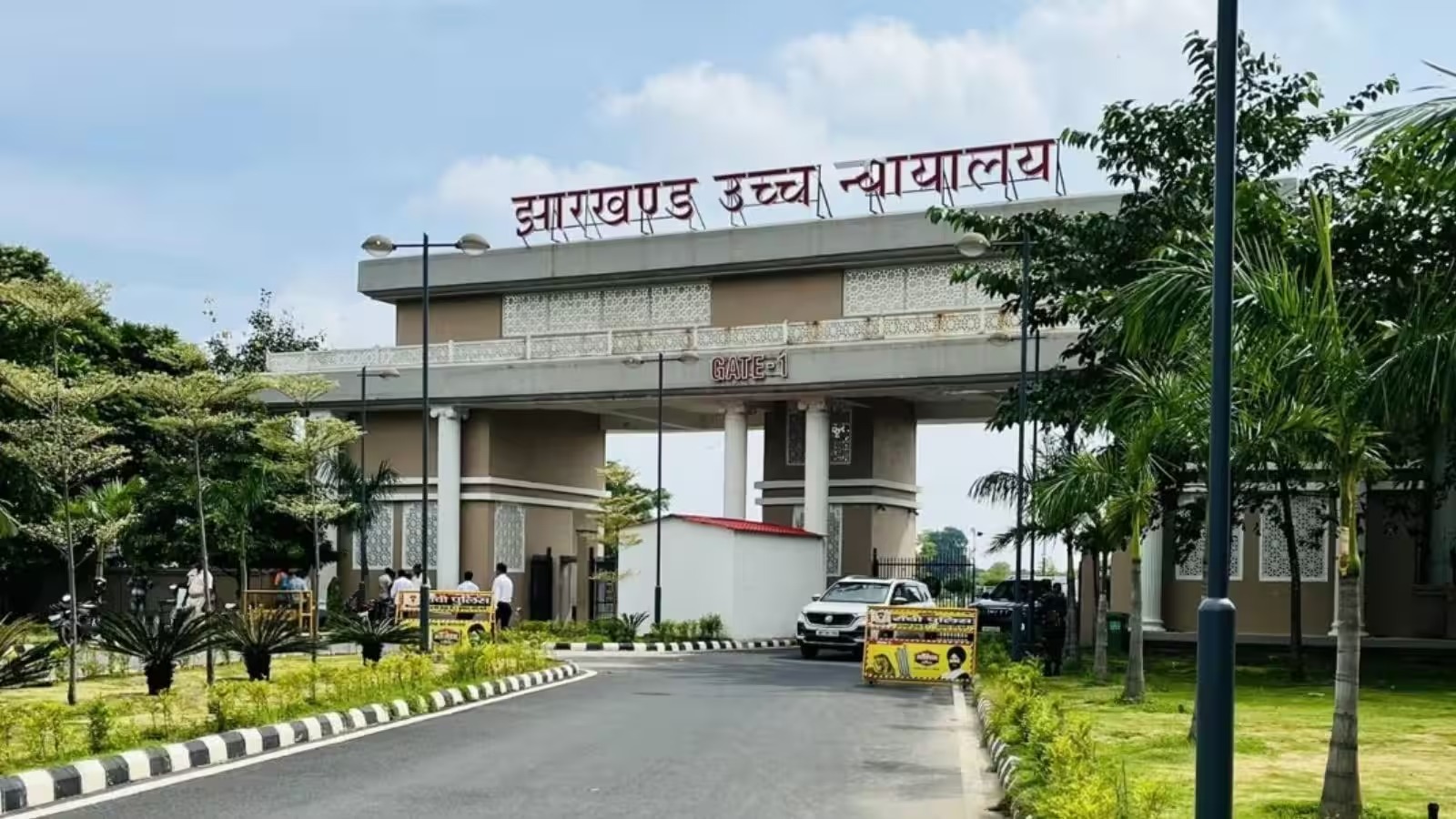
A recent decision of the Jharkhand High Court is going to prove to be a milestone in the history of Indian family law and marital relations. Often, cases of separation between husband and wife reach the courts after ups and downs in marital life and health related problems. In this context, the Jharkhand High Court has given a very important and sensitive decision and made it clear that the marital bond cannot be legally broken merely on the basis of any serious illness or physical illness. The court has completely rejected the decision of the lower court i.e. the family court of Koderma, in which the divorce decree was granted by the husband on the basis of wife’s illness. This judgment has attracted the attention of legal experts and people facing matrimonial disputes across the country.
This entire legal dispute is related to a family of Koderma district. A few years ago, a petition was filed in the local family court on behalf of the husband that his wife was suffering from some serious health problem and physical illness, due to which she was unable to perform marital responsibilities normally. The husband also argued that due to this disease his life was being adversely affected, hence he should be granted divorce under the provisions of the Hindu Marriage Act.
After hearing the arguments of both the parties, the lower court of Koderma gave a verdict in favor of the husband and ordered divorce. Hurt by this decision of the lower court, the wife approached the Jharkhand High Court and filed an appeal saying that it was unjust to dissolve her marriage unilaterally on the basis of health problems alone.
While hearing the case, the higher bench of Jharkhand High Court reviewed the family matters and mutual duties between husband and wife very closely. In its decision, the court laid special emphasis on the fact that marriage is not just a contract of physical pleasure or common work, but it is a sacred bond of two souls, families and supporting each other in happiness and sorrow.
The court said that if a spouse suffers from any illness or medical problem, it is the duty of the spouse to take care of him or her rather than abandoning him or her in such difficult times. To permanently end the marital relationship merely because one party is physically unwell for a period of time is not only against human sensibilities but is also contrary to the spirit of the law. The court found that the lower court in Koderma had ignored the sanctity of marriage and humanitarian aspects while interpreting the evidence and law.
During this historic decision, the High Court also cited many old and important decisions of the Supreme Court of the country. The court clarified that under the Hindu Marriage Act, divorce can be granted on the grounds of mental or physical illness only when the illness is so severe and incurable that living with the other party becomes completely impossible or unbearable.
Courts cannot order divorce on the basis of common diseases or health problems that can be cured by treatment or with which a normal life can be lived. This decision has sent a clear message that the judiciary is working with full sensitivity towards maintaining the strength of the institution of marriage and its dignity.
Legal analysts and social reformers believe that this decision of Jharkhand High Court gives a very positive and strong message to the society. In the present times, when the distance in relationships is increasing due to small issues or physical problems and the cases of divorce are increasing, then this decision teaches people the lesson of importance and commitment of relationships.
This stand of the court has provided great relief to many people who were facing loneliness or legal harassment during the illness of their spouse. This decision has once again given life to the ‘oath to be together through thick and thin’ taken at the time of marriage, both legally and morally, which proves that the Indian justice system understands the balance of human sensitivities and justice very well.