 look news india

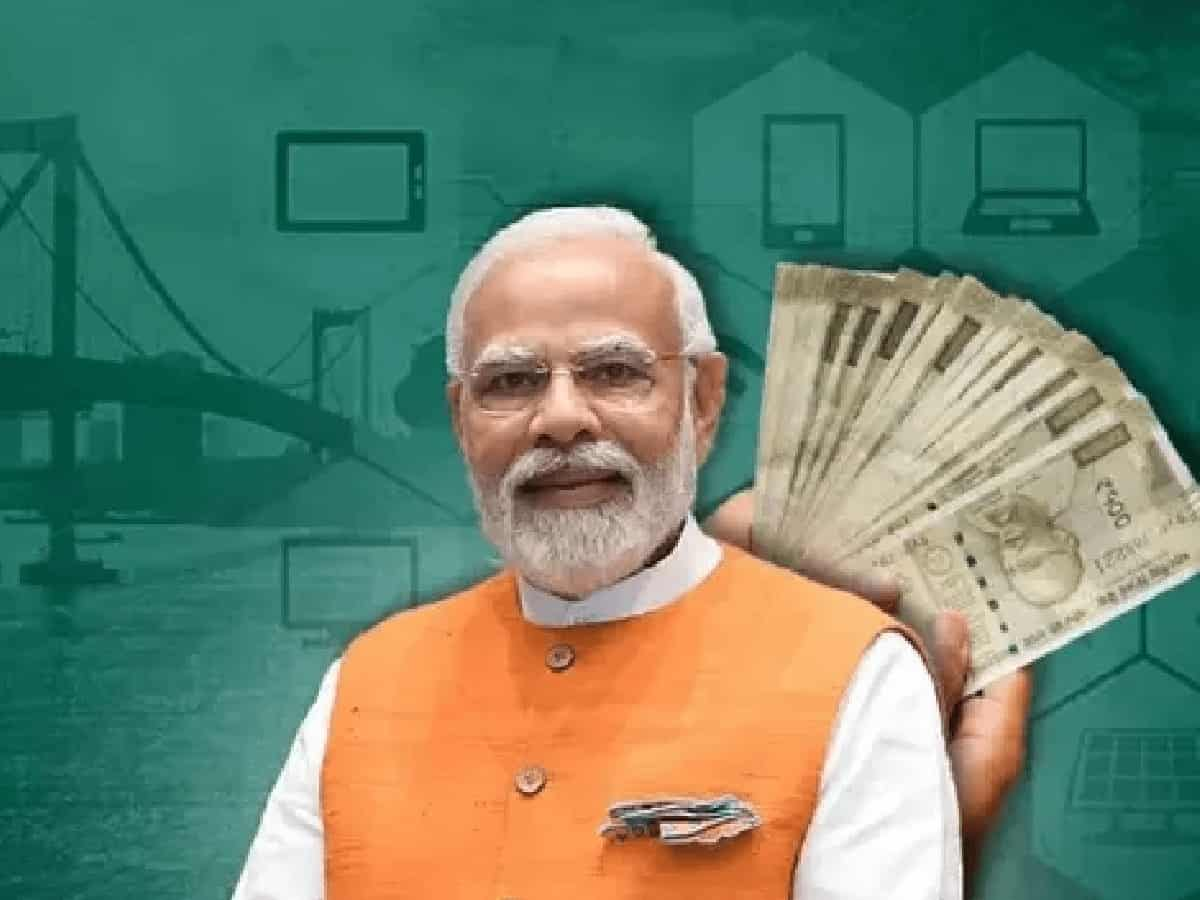
Very encouraging figures have emerged for the Central Government on the economic health and financial management front of the country. During the financial year 2026-27, a great pace is being seen in Direct Tax Collection. According to the latest official data released by the Income Tax Department, India’s Net Direct Tax Collection till November 10, 2026 has reached Rs 14,41,978.91 crore, an impressive growth of 11.76 percent on an annual basis. In the same period of the last financial year, this figure was recorded at Rs 12,90,204.10 crore. This double-digit expansion recorded in tax collections shows that the scope of industrial activities, corporate profits and personal income is expanding rapidly in the country.
This strong revenue inflow into the exchequer will play a central role in keeping the country’s overall fiscal deficit under control and accelerating development projects. Economic analysts believe that increased business activities during the festive season and better compliance with advance tax have provided a solid base to this growth. Technological improvements, effective implementation of modern systems like data analytics and faceless assessment by the Income Tax Department have curbed tax evasion and significantly increased the number of people willingly paying taxes.
If we talk about the total collection before issuing the refund i.e. Gross Direct Tax Collection, then an even stronger jump has been registered in it. According to the data released under the aegis of the Central Board of Direct Taxes (CBDT), the gross direct tax collection till November 10, 2026 was recorded at Rs 17,50,285.89 crore. During the same period of the last financial year 2025-26, this figure was Rs 15,35,076.31 crore. Thus, an impressive growth of 14.02 percent has been recorded in gross direct tax collection on annual basis.
This increase of more than 14 percent in gross tax collection is a clear indication that there has been a tremendous increase in the basic amount deposited by the taxpayers on both the corporate tax and personal income tax fronts. Better balance sheets and stable wage growth in the job market, from large industries to medium scale enterprises, have broadened the direct tax base. This pace of gross collection is instilling strong confidence in achieving the full year’s direct tax targets set in the Union Budget ahead of schedule.
The most positive aspect of these direct tax collection figures is that this growth in tax collection has not been achieved by withholding refunds, but by returning legitimate refunds to taxpayers at a record pace. According to the official data of the Income Tax Department, between April 1, 2026 and November 10, 2026, the government has successfully issued a total of tax refunds worth Rs 3,08,306.98 crore. The total amount of refunds issued in the same period of the last financial year was Rs 2,44,872.21 crore. This simply means that a huge increase of 25.91 percent has been recorded in the refund distribution on an annual basis.
The prompt transfer of more than Rs 3.08 lakh crore to the accounts of taxpayers testifies to the efficiency of the modern processing system of the Income Tax Department. Due to instant verification of Income Tax Returns (ITR) by Centralized Processing Center (CPC) and automated refund system, most taxpayers are now receiving refunds in their bank accounts within a few days. The return of this huge amount of cash in the market has also provided immense support to private consumption and retail demand during the festive season.
The net revenue of over Rs 14.41 lakh crore after adjusting for refunds underlines the success of the central government’s fiscal policies. The Income Tax Department has made the complete details public on its official social media handle and made the detailed report available on the national portal. This continuous increase in revenue is being attributed to transparent systems like Annual Information Statement (AIS) and Taxpayer Information Summary (TIS), which have made it almost impossible to hide financial transactions.
Economists assess that if the same pace of direct tax collection continues in the remaining quarters of the current financial year, the central government will be able to further increase capital expenditure on infrastructure development, railways, national highways, defense modernization and social welfare schemes. India’s tax-to-GDP ratio also appears to be moving towards new and better levels on the back of ease in tax compliance and increasing confidence of honest taxpayers.