 look news india

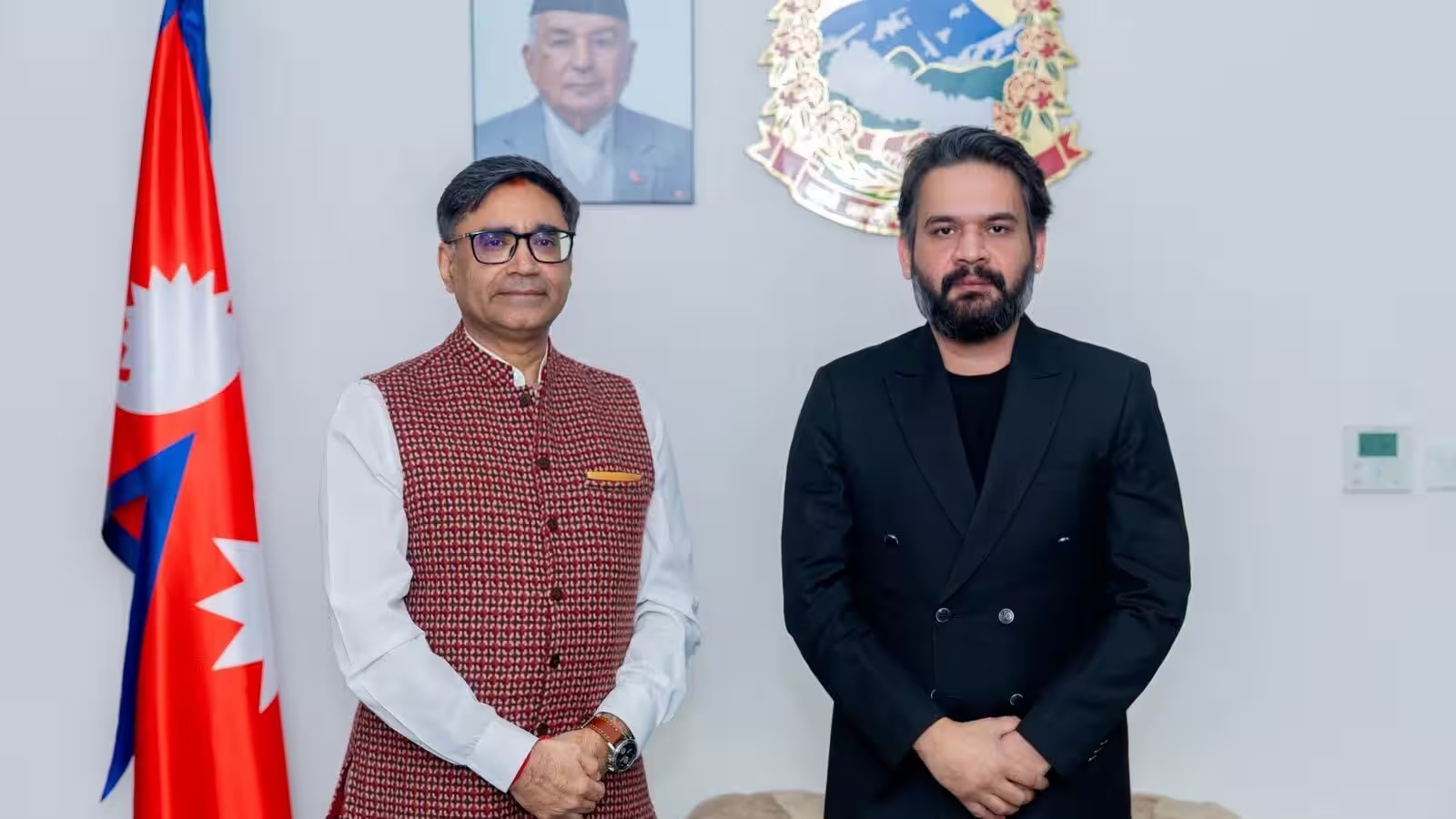
The first official visit of Prime Minister Balen (Balendra) Shah, famous for his outspoken and strict image in Nepalese politics, to India has been decided. There is a huge stir in the corridors of South Asian diplomacy regarding this four-day high-profile Delhi visit to be held from 22 to 25 November. The blueprint for this visit has been fully prepared after the recent visit of Indian Foreign Secretary Vikram Misri to Kathmandu and meetings with the Nepali top leadership. However, according to reports coming from the political circles of Kathmandu, Balen Shah is not coming to New Delhi just for a formal meeting or photo-session. He brings with him a long agenda of concrete demands and conditions related to Nepal’s infrastructure development, border disputes and financial assistance. In such a situation, the big question arising is whether this aggressive stand of Balen Shah will be able to work in bilateral talks with Prime Minister Narendra Modi or will India remain firm on its long-term strategic and security priorities?
According to strategic sources in Kathmandu, the Balen Shah-led Nepal government has placed a long list of demands before New Delhi. Nepal’s priorities include a reconstruction grant of approximately $500 million and additional assistance of $500 million to respond to the damage caused by the devastating floods in August. Apart from this, Nepal is trying to get a new credit line of $1 billion and a special economic package of $2 billion from India. Nepal argues that the pace of political promises and bilateral projects made by India in the past has been very slow for the last few years, which should now be completed without any delay. Acquiring additional air entry routes (air entry points) from India for the operation of Bhairahawa and Pokhara international airports is also included in the key conditions of Balen Shah.
The border dispute of Kalapani, Lipulekh and Limpiyadhura has always been a sensitive and heated issue in the relations between India and Nepal. During the reign of former Prime Minister KP Sharma Oli, relations between the two countries had turned sour over this issue. Now that Balen Shah is in power, the eyes of the domestic public of Nepal are fixed on whether he will take a tough and aggressive stand on this issue in front of PM Narendra Modi. Balen Shah has garnered massive support from the Nepalese youth for his aggressive nationalist stand on several occasions while he was the mayor of Kathmandu and later when he became the Prime Minister. However, diplomacy experts say that while sitting at the table and having table talk, more maturity and practical coordination is required than aggression. If Ballen adopts a tough stance only to serve domestic politics, it may affect the environment of bilateral talks.
India has always been Nepal’s biggest trade and development partner, but in view of China’s growing influence, New Delhi is now keeping every step in check. During this visit, agreements are likely to be reached on important agendas like Raxaul-Kathmandu Railway Line, Pancheshwar Multipurpose Project and Hydropower Export (Hydropower Trade). India is ready to buy Nepal’s hydropower, provided it is not owned or invested by Chinese companies. It is clear from the stand of the Indian Ministry of External Affairs that India wants a strong, positive and result-oriented relationship with Nepal under the policy of ‘Neighborhood First’. But India will not compromise at any cost with security concerns and regional geopolitical balance. How far Balen Shah’s aggressive diplomacy pays off in Delhi will be decided only by the results of the bilateral meetings to be held on 23 and 24 November.