 look news india

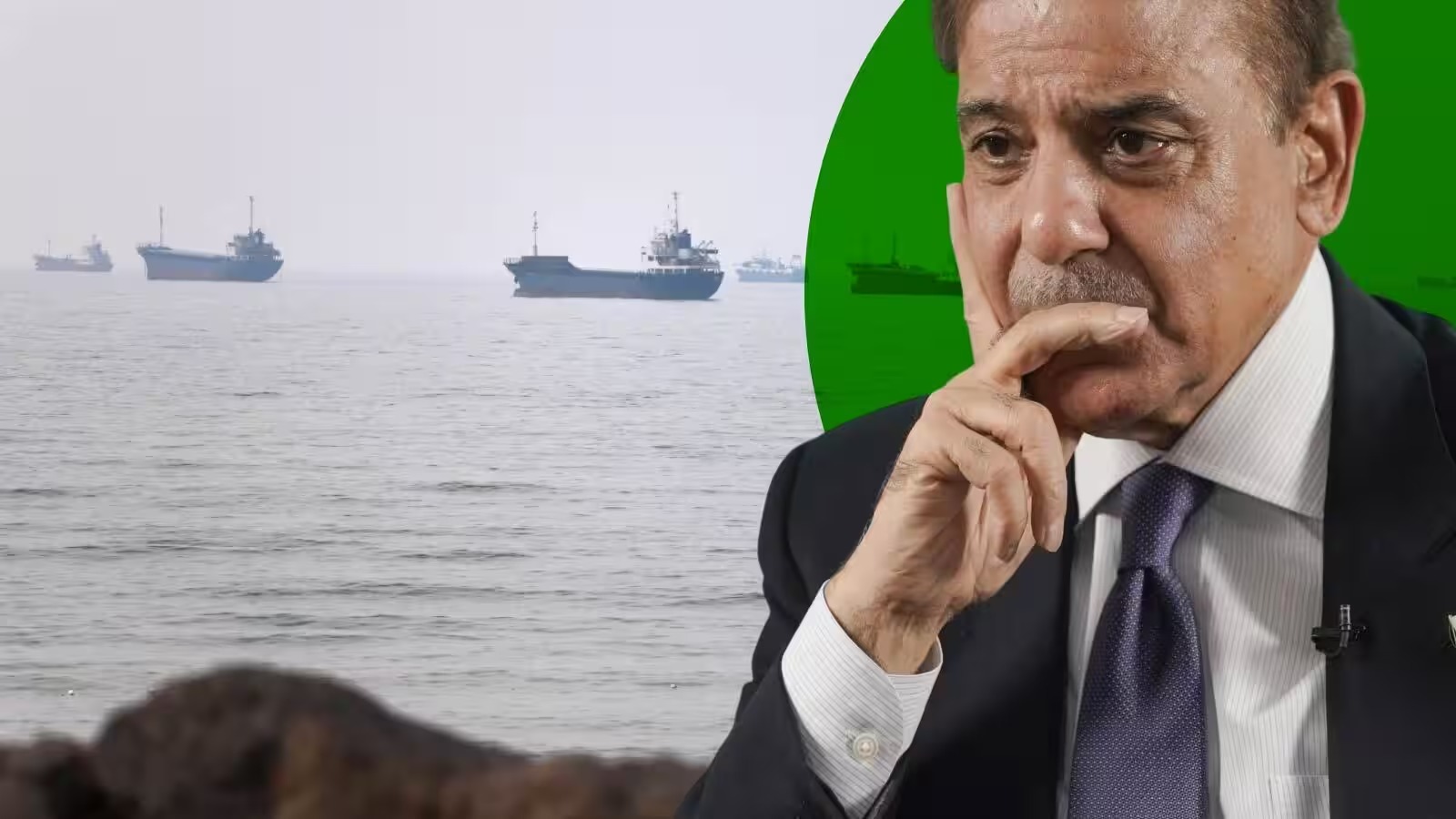
Amidst the increasing military and diplomatic tension in West Asia, a big and far-reaching news related to the strategically important ‘Strait of Hormuz’ has come to light. The Government of Iran has announced that it will not impose any restrictions on the movement of Indian commercial ships in this narrow sea route of the Strait of Hormuz. However, as soon as this historic decision came, there was a stir in the neighboring country Pakistan. Islamabad, which was trying to present itself as a mediator between America and Iran, has suffered a huge diplomatic blow due to this stance of Iran. The Pakistani rulers and the media there are extremely upset that keeping aside Islamabad’s continuous talks and alleged mediation efforts, Tehran gave priority to New Delhi and flatly refused to give any kind of special protection or exemption to Pakistan.
The Strait of Hormuz is considered the world’s busiest and strategic energy corridor, passing through about one-fifth of the global seaborne crude oil. Amid recent global and regional tensions, Iran has strictly limited the movement of US and Western-allied ships. Meanwhile, official sources in Tehran made it clear that ships from countries like India, China, Qatar and Iraq will be provided complete freedom and safe passage in this strait. Citing its historical trade and diplomatic relations with India, Iran made it clear that India’s energy and pharmaceutical requirements will continue unhindered. After this exemption, Indian oil tankers and cargo ships will not face any kind of uncertainty or threat of naval attack in the Persian Gulf, which is a huge diplomatic victory for India’s national energy security.
On the other hand, Pakistan, which was trying to establish itself as a global peacemaker and mediator amid the US-Iran tension, is deeply upset by this development. Pakistan claimed that it was playing an important role in secret talks between Tehran and Washington and efforts to reduce tension. But when Tehran announced practical and concrete concessions, Pakistan’s name was not even included in it. Pakistani media and defense analysts are angry over the fact that in the time of crisis, Pakistan’s ships were not given any special concession or guarantee from Iran, whereas India, which did not become a part of any military faction and only adopted independent and non-aligned diplomacy, got the biggest diplomatic advantage.
Islamabad’s nervousness is not limited to diplomatic neglect alone, but there are also deep economic and strategic reasons behind it. Pakistan is completely dependent on this sea route for its energy needs and crude oil imports. If Pakistani ships or their cargoes face any risk in the Strait of Hormuz, there will be a fuel crisis and it will become impossible to handle the already troubled Pakistani economy. Apart from this, Pakistan is also afraid that the growing rapprochement between Iran and India will further strengthen India’s strategic influence in the Arabian Sea and Indian Ocean region, which will further reduce Pakistan’s diplomatic importance in this entire maritime region.
This step of Iran is being considered as a big proof of India’s independent, balanced and practical foreign policy. New Delhi has always kept its communication channels open with Tehran despite pressure from Western countries. From Chabahar port project to energy trade, relations between India and Iran have always been stable. This is the reason why even when clouds of war are looming over this mouth of the Gulf, Iran has assured to protect India’s interests. This strategic success of India has not only eliminated the uncertainty regarding the supply and prices of petrol and diesel in the domestic market, but has also proved that India’s voice cannot be denied in the multipolar world.