 look news india

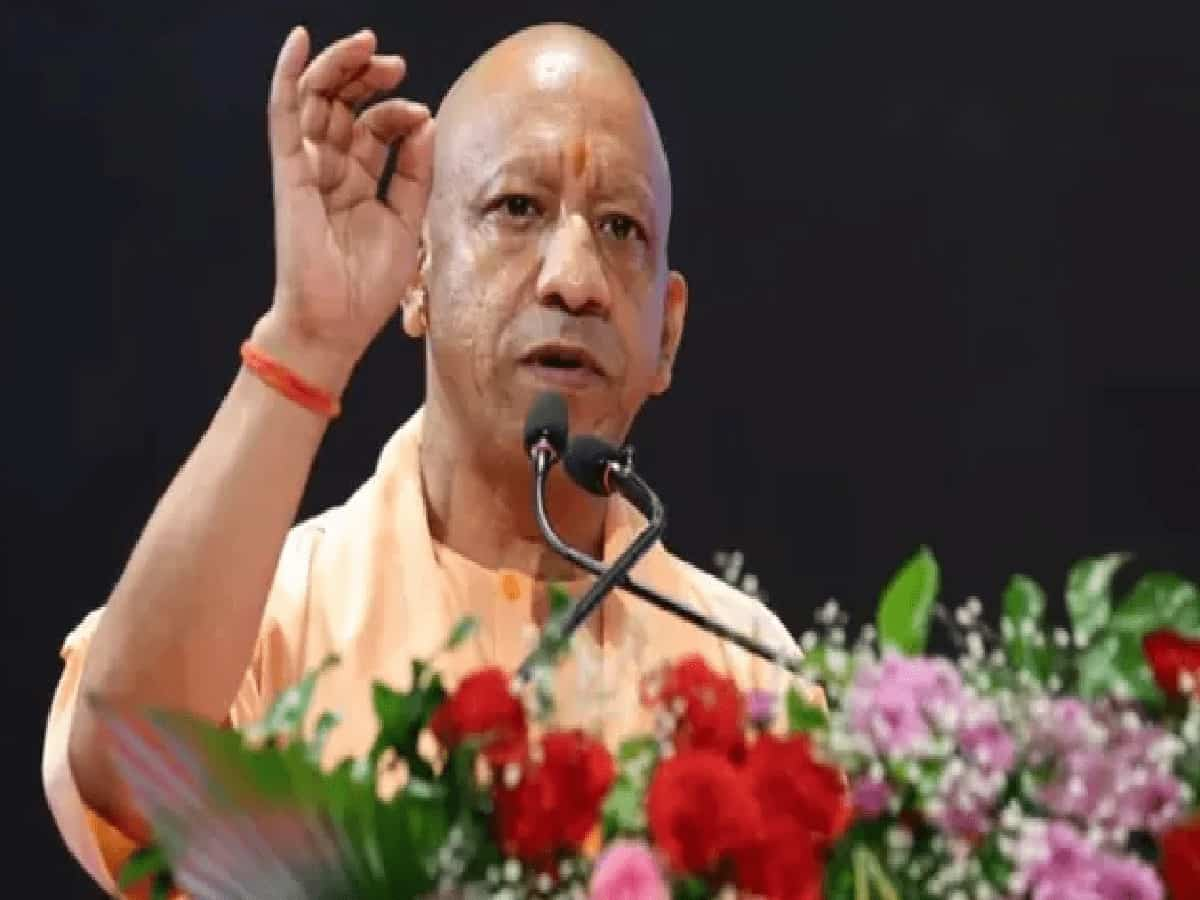
An unprecedented and far-reaching change is being witnessed in the basic education system of Uttar Pradesh, where along with bookish knowledge, practical education on conservation of nature is being directly linked to the daily routine of children. In line with the vision of Chief Minister Yogi Adityanath, the Basic Education Department has started a comprehensive environment-awareness campaign in all the primary and upper primary schools of the state. ‘BRICS Sustainable Lifestyle Week’ is being organized with full enthusiasm and commitment from 1 November to 7 November 2026 in more than 1.32 lakh council schools of the state. The main objective of this statewide initiative is to teach environment-friendly habits to the new generation from an early age and prepare them as responsible, conscious and sensitive citizens in the era of climate change. This campaign has taken the form of a mass movement in schools spread from the capital Lucknow to the remote rural areas of Bundelkhand and Purvanchal.
The greatest strength of this massive program is its wide reach. More than 1.42 crore students enrolled in schools across the state have directly participated in the various activities of this weekly campaign. The main basis of the campaign is the ambitious ‘Mission Life’ (Lifestyle for Environment) of the Central Government, for which an action plan based on seven major topics has been prepared. Under this campaign, children are not only being taught to conserve water, electricity and trees within the school premises, but they are also being inspired to strongly convey these lifestyle changes to their homes, families and the surrounding rural and urban communities. In this way, every student is emerging as an active messenger of change (Climate Ambassador) in the society.
BRICS Sustainable Lifestyle Week is designed so that each day focuses on a specific environmental challenge and its practical solutions. During the first three days of the campaign, children were introduced to the basic principles of health, energy and water conservation. The campaign began on November 1 with a pledge to lead a ‘healthy lifestyle’, with emphasis on yoga, cleanliness and nutritious diet. After this, celebrating November 2 as ‘Energy Conservation’ Day, measures were taught to switch off non-essential electrical appliances and use natural light in classrooms and homes. On November 3, there was a serious discussion on the falling level of ground water and the importance of saving every drop of water through interesting activities related to water conservation. Special workshops on ‘Sustainable Food Systems’ were organized on 4th November, where children were taught the nutrition of local millets and ways to prevent food wastage.
The remaining three days of the week have been dedicated to strict resolutions on waste management and plastic freedom. November 5 will be dedicated to the message of complete abstinence from ‘single use plastic’, in which students will be motivated to use cloth bags and metal utensils. On November 6, awareness will be spread on safe disposal of ‘Electronic Waste’, a serious problem of modern times, and its ill effects. Finally, this special week will formally conclude on 7th November with massive ‘Waste Reduction’ and separation of wet-dry waste. This systematic plan presents a solid scientific approach to bringing about permanent and positive changes in the behavior of students.
The ‘Eco Clubs’ of schools are playing the most important and effective role in implementing this entire environment fortnight at the grassroots level. These clubs formed in schools are conducting new creative activities daily in coordination with teachers and aware students. To make the campaign technically sound and standardized, the dedicated digital portal of the Ministry of Education ecoclubs.education.gov.in is being used. Through this official portal, necessary information-education-communication (IEC) materials, audio-visual tools, posters and activity guidelines have been made available to all schools in digital form, thereby ensuring uniform high quality activities in every district.
A collective pledge of Mission Life is being administered during the daily morning prayer meeting in schools. Along with this, painting competitions, slogan writing, speeches, debates and drama (street plays) are being organized in the classes so that children can easily assimilate complex environmental concepts through play. Teachers are ensuring that students are not limited to bookish knowledge only, but go to their homes to stop dripping taps, protest against the use of polythene and develop the habit of putting household waste in separate dustbins. It is this grassroots connection that makes this campaign completely different and effective from other normal programmes.
Highlighting the success of this campaign and its far-reaching effects, Sandeep Singh, Minister of State (Independent Charge) for Basic Education, Government of Uttar Pradesh, said that under the able leadership of Chief Minister Yogi Adityanath, the State Government is not limited to giving only formal and bookish education to children, but is fully determined to make them responsible citizens towards society and nature. He stressed that organizing BRICS Sustainable Lifestyle Week is not a one-week symbolic event, but a planned effort to inculcate lifelong habits like energy saving, water conservation, plastic ban and solid waste management in our future generations. These basic habits learned in childhood will later become the most unbreakable and strong foundation of the country’s environmental protection.
Academics and environmental experts have also strongly welcomed this initiative of the Uttar Pradesh government. Experts believe that directly connecting primary level students with practical steps for climate protection on such a large scale presents an exemplary model at the national and international level. When 1.42 crore children will talk about the harm of plastic and saving electricity in their homes, it will have a direct impact on the thinking of crores of families in the society. This green revolution, which started from the government schools of Uttar Pradesh, will prove to be a milestone in the coming times in making the state a leading state of the country in achieving the Sustainable Development Goals (SDGs).