 look news india

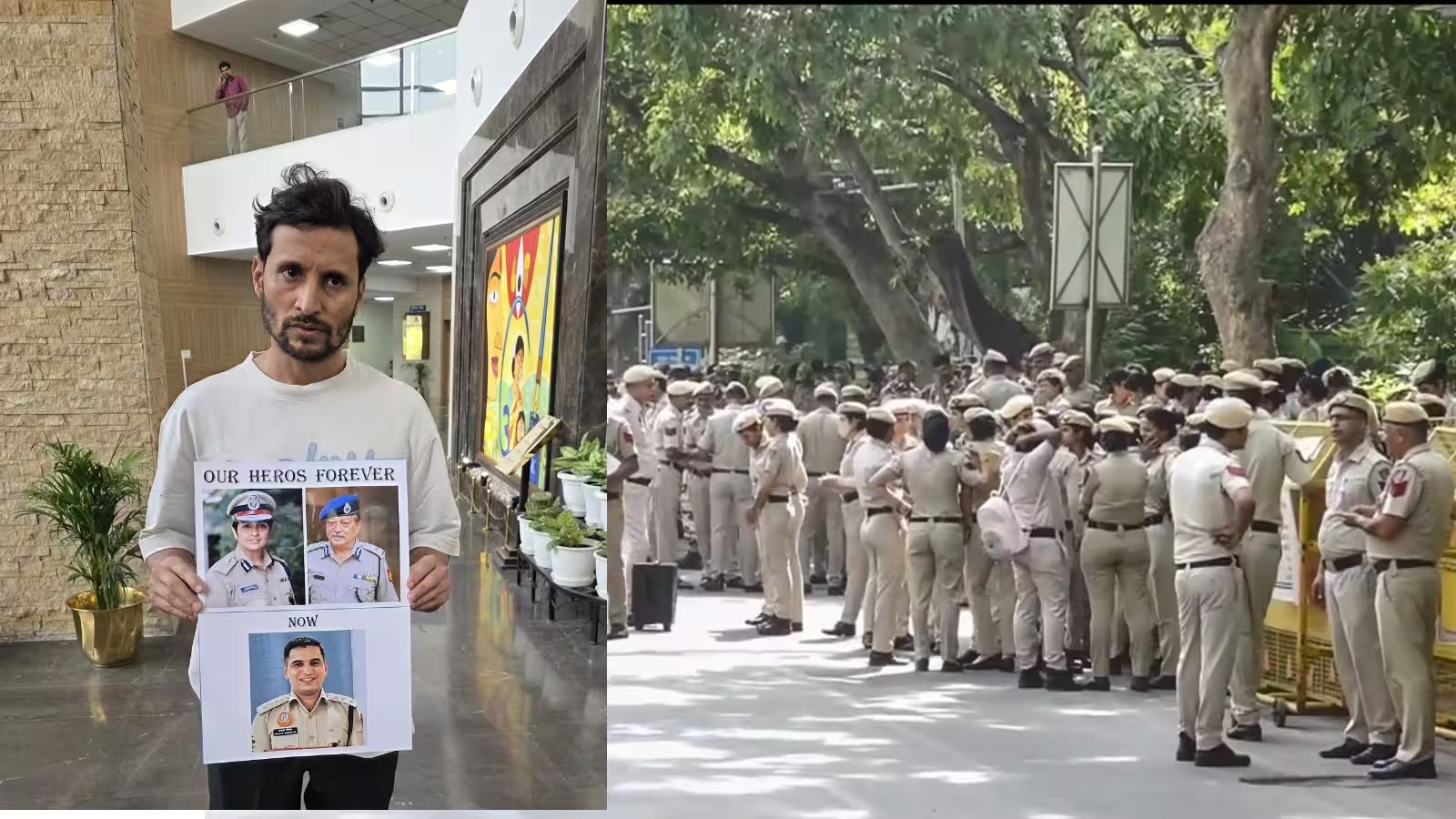
In the Indian justice system, incidents of conflict between police and lawyers have been in the news for some time. Often there are reports of heated clashes, fights and protests between policemen and lawyers outside the courts or inside the police stations, which raises a big question in the minds of the common citizens of the country as to why the two important pillars of protecting the law and providing justice clash with each other. The roots of this entire controversy are not hidden in just one day’s incident, but its threads are linked to the historical judicial system of our country, the legacy of colonial laws and the age-old conflict over the division of powers between the two departments. In today’s detailed and analytical article, we will understand in depth why this conflict occurs between lawyers and police regarding privileges and professional dignity, what are its historical reasons and how a permanent solution to this sensitive problem can be found.
What is the main reason for the conflict between lawyers and police?
The main causes of disputes between lawyers and the police force are the rights related to police custody, interrogation methods, professional privileges of lawyers and their legal security in the court premises. While the main objective of the police department is to quickly investigate crimes, arrest criminals and maintain law and order, the primary responsibility of an advocate is to protect the fundamental and legal rights of his client and to present his case strongly before the judiciary. When the police takes action in a case and is harsh with lawyers or their clients during investigation, a large section of lawyers consider it a direct attack on their professional honor and civil rights. On the contrary, the policemen argue that they are performing their duty within the ambit of the law and sometimes some anti-social elements, disguised as lawyers or in the guise of identity, obstruct the police work. Due to this contradiction of rights and competition to take credit, sometimes even minor debates take the form of violent clashes, due to which the credibility of the justice system also starts being questioned.
The deep threads of this professional conflict are hidden in the pages of history.
This tussle of rights between lawyers and police is not a new phenomenon, rather its history had started during the British Raj. The criminal justice system that the British government established in India during the colonial period gave excessive punitive and administrative powers to the police, while Indian lawyers had to struggle hard to make their arguments and follow judicial procedures. After independence, although the Constitution of the country came into force and under democratic values the judiciary was kept completely independent from the executive and the police, but the imprint of colonial mentality in the way of working at the grassroots level could not be completely erased. The tensions that arise from time to time regarding the entry of lawyers as well as common citizens into police stations, their courtesy during interrogation and the rights of the Bar Association, are a conflict between the same historical administrative structure and modern democratic rights. History is witness to the fact that whenever the police has tried to exceed the scope of its powers, lawyers across the country have united and strongly opposed it, which eventually takes the form of big movements.
What effect does this dispute have on the judicial and social system?
Such conflicts between the police and lawyers not only hamper the functioning of both the departments, but the worst consequences of it are borne by the general public and lakhs of litigants of the country who have been making rounds of the courts for years in the hope of justice. Whenever there is a clash between the police and lawyers, work in the courts comes to a standstill, judicial processes get prolonged and trial dates get extended. Apart from this, a very wrong message is sent to the society that how can the security and justice of the common man be guaranteed in a country where the guardians of law and the enforcers of justice are at loggerheads with each other. Human rights organizations and legal experts have always believed that both police and judiciary are two strong wheels of democracy and if even one of these wheels wobbles, the entire judicial system of the country can falter. Therefore, it is very important to have mutual coordination, communication and professional coordination between these two important institutions so that the goddess of justice is not insulted due to any personal ego or misunderstanding.
What is the solution to this problem and the way forward?
To solve this serious and repeatedly emerging problem, first of all continuous communication and coordination committees should be formed at high levels between the police administration and Bar Councils. Special sensitization workshops should be organized from time to time for policemen and officers so that they learn to respect the professional rights and dignity of lawyers. Besides, lawyers also have to understand that it is their social responsibility to cooperate with the police in maintaining law and order. If any excess or illegal action is committed by the police at any level, then the path of lawful legal action and judicial investigation should be adopted and not the path of violence or boycott of courts. Unless both the parties leave aside their egos and respect each other’s work areas while remaining within the ambit of the Constitution and law, it will be difficult to completely get rid of such conflicts.