 look news india

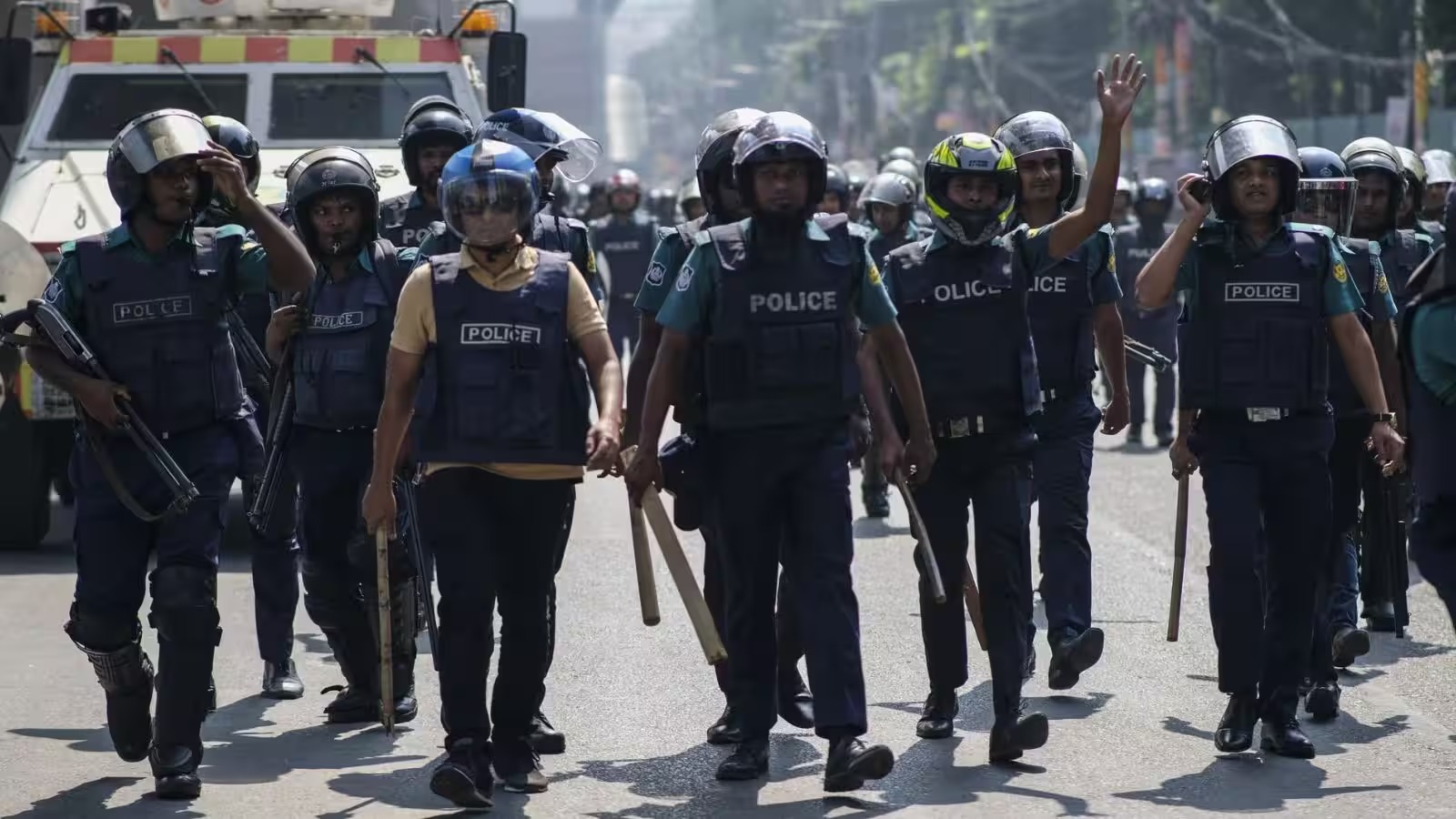
The labor movement of the Garment Sector (RMG) in the neighboring country Bangladesh has now gone completely out of control and turned into a major national crisis. The anger of lakhs of readymade garment workers has come out on the streets demanding increase in minimum wage to Taka 30,000 per month. Protestors have clashed with police and security forces in huge industrial hubs like Dhaka, Ghazipur, Ashu Lia and Mirpur, in which several police pickets and vehicles have been set on fire. In view of the direness of the situation, work in more than 529 garment factories of the country has come to a complete halt and production has been put on hold. Amidst this extremely tense situation and the threat of economic devastation, Prime Minister Tariq Rahman’s government has called an emergency meeting and taken a major decision.
Situation like undeclared emergency is currently visible in the major industrial areas of Bangladesh. Enraged workers blocked several kilometers long road on Ghazipur, Savar and Dhaka-Tangail Highway, due to which the traffic system of the entire area collapsed. The protesters expressed their strong protest by setting up barricades at various places and setting fire on the roads. To disperse the uncontrollable crowd, the police had to use sound grenades and tear gas shells. Fearing violent clashes and sabotage, owners associated with the Bangladesh Garment Manufacturers and Exporters Association (BGMEA) have announced the temporary closure of more than 529 factories, completely halting work for about 1 million workers.
In view of the huge uproar on the streets and the increasing destruction of the industry, Prime Minister Tariq Rehman held a high-level emergency meeting with cabinet ministers and top officials. After the meeting, the Labor Ministry made a big announcement and decided to constitute a 6-member new Minimum Wage Board in support of the demand of the employees. Along with this, Labor Minister Ariful Haq Chaudhary canceled his proposed foreign tour and appealed to the agitating employees to immediately vacate the roads and return to their factories. The Prime Minister clearly said that the legitimate interests of the workers will be protected, but those who stall industries or spread violence will be dealt with strictly.
The government has taken a tough stance, fearing political interference and sabotage behind this widespread labor unrest. Joint teams of police and Border Guard Bangladesh (BGB) have arrested several miscreants and people associated with political organizations in a major security operation in disturbed industrial areas. Government officials allege that some anarchist elements, under the guise of legitimate demands of the workers, are conspiring to destroy the textile sector, which is considered the backbone of the country’s economy and exports. Police have warned that anyone involved in violent protests, burning of police vehicles and vandalizing factories will not be spared.
The ready-made garment sector is the mainstay of Bangladesh’s economy, covering about 80 percent of the country’s total export earnings. The sudden closure of more than 500 factories and halt in manufacturing poses a risk of cancellation of orders worth millions of dollars by international buyers. If the new Wage Board is unable to find an acceptable solution in time, there will be a huge decline in Bangladesh’s garment exports, which may directly benefit competing countries like India, Vietnam and China. At present, the whole country is waiting to know whether after this new decision of the government, the workers will come off the roads and return to work or this deadlock will prolong further.