 look news india

Generally, there is a common belief in our society that the problem of high cholesterol affects only men or older people. But the data of medical research and health experts completely breaks this myth and brings out the shocking truth. Due to today’s hectic life, stressful work style, spoiled eating habits and lack of physical activity, the level of ‘silent killer’ i.e. bad cholesterol (LDL) has started increasing rapidly in women too. In the initial phase, there are no specific or obvious symptoms of increase in cholesterol in the body of women, due to which it is also called ‘silent disease’. By the time women come to know about this problem, it has accumulated in the arteries and creates a huge risk of heart diseases and stroke. It is very important for every woman to recognize these subtle signs of the body in time so that precautions can be taken before any major danger.
When bad cholesterol i.e. low-density lipoprotein (LDL) starts accumulating in the blood vessels, the blood flow starts getting obstructed. After menopause in women, the level of estrogen hormone starts decreasing, which naturally protects their heart. After this, the risk of heart attack and cardiovascular disease increases rapidly in women like men. Apart from this, thyroid problems, PCOS, excessive consumption of contraceptive pills, genetic reasons and indiscriminate consumption of junk food play a major role in dangerously increasing cholesterol levels in women. Since its symptoms in women may seem different or very normal from those of men, they often ignore it considering it to be minor fatigue or weakness, which can prove costly in the future.
Women should always keep a close eye on small changes happening in their body. When high cholesterol increases, the body starts giving some hidden signals, which should not be ignored even by mistake. Let us know about the major symptoms which indicate increased cholesterol:
-
Persistent and extraordinary fatigue: If you feel heaviness and severe fatigue in the body all the time, even without doing any heavy work, it could be a sign of poor blood circulation.
-
Shortness of breath when walking a short distance or climbing stairs: If you start feeling short of breath while doing normal household work or taking a few steps and feel slight heaviness in the chest, then be cautious.
-
Pathological stiffness and pain in the legs: Feeling constant pain, cramps or numbness in the calves due to blood not reaching the veins of the legs properly can be a sign of high cholesterol.
-
Yellow rashes or spots on the skin (Xanthomas): The appearance of small yellow fat bulges around the eyes or on the joints of the body is evidence of excessive cholesterol in the body.
-
Change in color of skin and nails: Coldness of fingers and toes or discoloration of nails due to poor blood circulation is also a big sign.
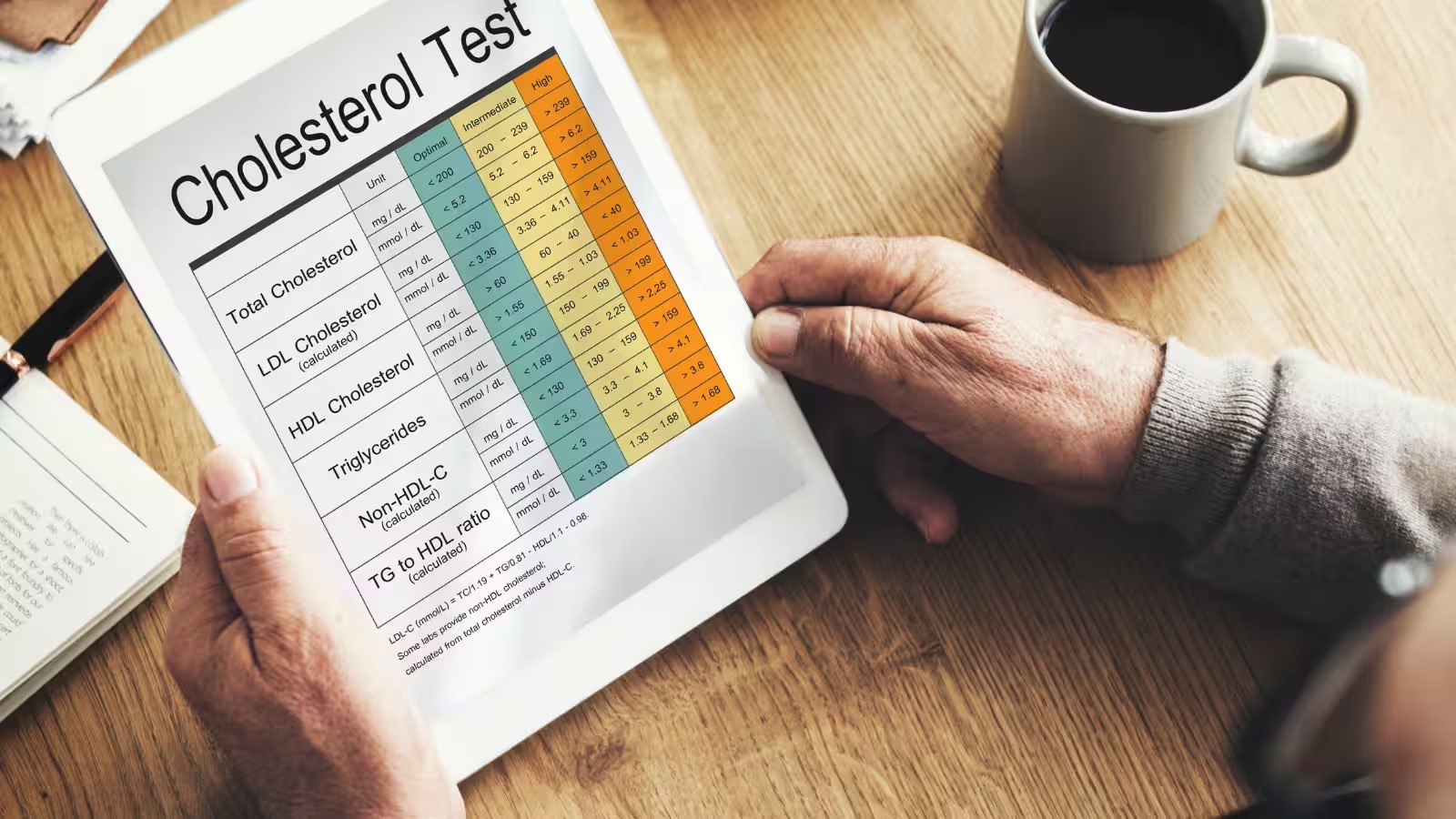
If you are feeling these symptoms in yourself, then instead of panicking, start making changes in your lifestyle immediately. Get your Lipid Profile Test done at least once a year, which gives accurate information about the levels of total cholesterol, HDL, LDL and triglycerides. Completely eliminate trans fat, refined oil, refined flour and junk food from your diet. Instead, include green leafy vegetables, oats, fruits, walnuts, almonds and foods rich in omega-3 fatty acids in your diet. By walking, doing yoga or light exercise for at least 30 minutes daily, the level of good cholesterol (HDL) in the body starts increasing and the arteries remain clean. By adopting timely alertness, you can always keep your heart healthy and safe.