 look news india

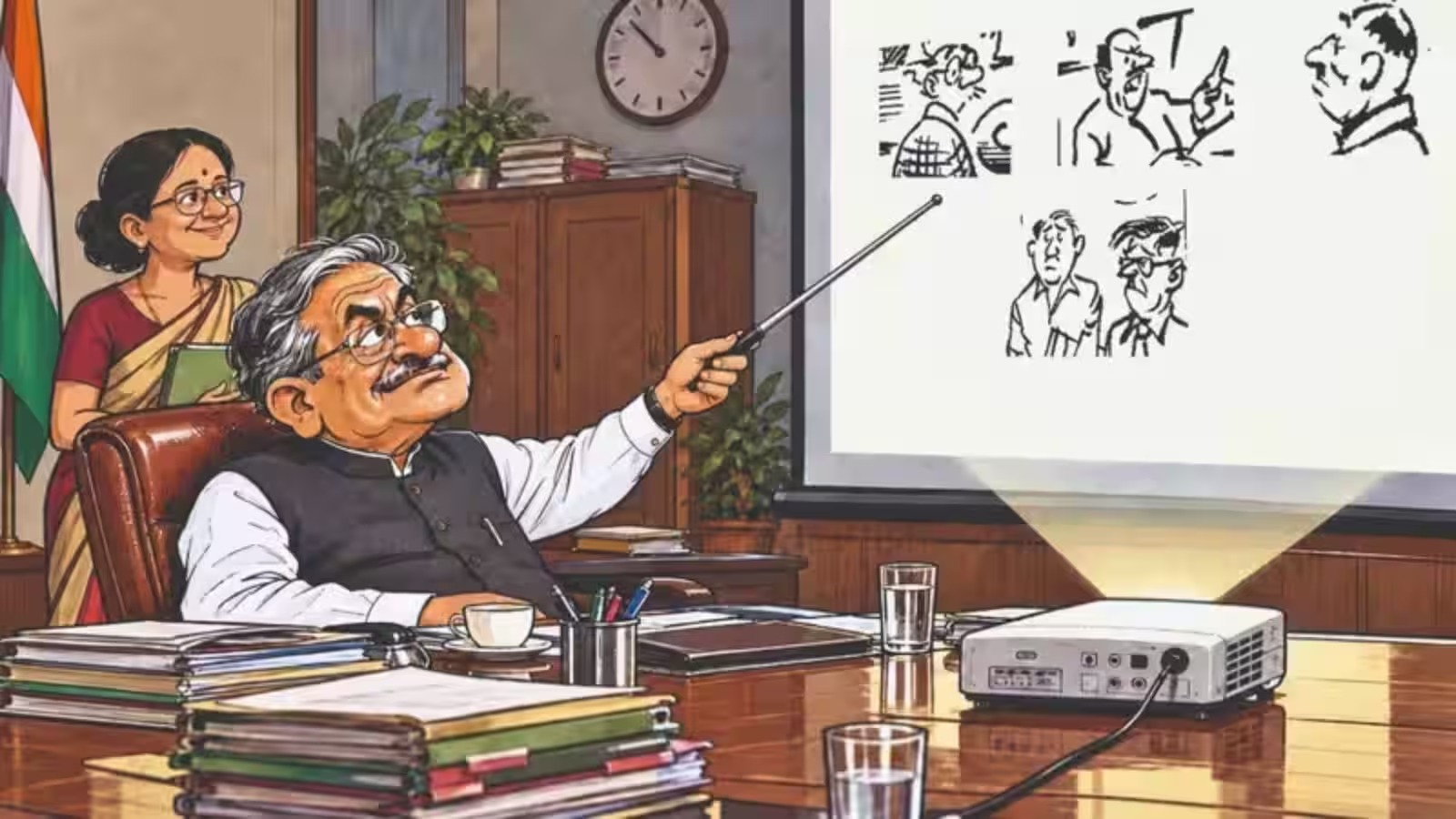
Various types of discussions often take place from the common man to the political circles regarding the administrative system of the country and the working style of the babus. The Indian Administrative Service and the workings of the government system have always been a mystery. Recently, the Cabinet Secretary of the country has given a very interesting, sharp and truth-filled statement on the working culture going on within the bureaucracy. He has openly exposed the functioning of the administrative staff and exposed a total of 12 different types or categories of bureaucrats and officers in front of everyone. The classification of the working style of babus in this way by a person holding the top administrative post of the government tells us what kind of mentalities have to be faced within the governance and administration, from the movement of files to the rounds of meetings. This analysis not only underlines the need for administrative reforms, but also shows how diverse the officials running the system themselves are.
Officers who suppress files and get entangled in piles of papers
Among these 12 types enumerated by the Cabinet Secretary, the first and most commonly encountered type is those officers who have expertise in suppressing or hanging files. It is often seen in government offices that when the file of any important scheme or work related to the general public reaches the table of such officials, it disappears indefinitely. They can be called those who sit in circles on files, who deliberately hinder every work by citing unnecessary complexities of rules and red tape. Due to the working style of these officers, files keep circulating from one table to another for months and sometimes years. On the contrary, there are some officers in this category who make the paperwork so complicated that even a simple task becomes a big legal dilemma. This comment of the Cabinet Secretary on the tendency of public development works and files to be suppressed in this manner attacks the deep canker of the administrative system due to which every common citizen and the government itself remain troubled.
Terror of workaholic officers and those who call meetings late at night
The second most talked about and stressful aspect of bureaucratic culture is related to those officers who, in order to appear to be extremely hard-working or workaholics, snatch away the evening and night relaxation of the entire office. The Cabinet Secretary has also mentioned such babus who are fond of suddenly calling important meetings right after office hours or late at night. These officers feel that by taking decisions at night or in long and endless meetings, they are proving their efficiency, but the ground reality is that such unproductive meetings lead to mental harassment of subordinate employees and junior officers. These meeting cultures and orders suddenly imposed after office working hours take a toll on the personal life and mental health of subordinates. Such officers not only spend the night in the office, but also keep their entire staff entangled in unnecessary paperwork and meetings, due to which instead of improving the administrative efficiency, it gets affected more.
From sycophant to just giving orders, Babu
There are some administrative faces in the government system who adopt every trick just to please their superiors and keep their chair safe. In the classification of Cabinet Secretary, there is also mention of those officers who are adept in the art of getting only ‘yes’ instead of fulfilling their responsibilities. They are not concerned with the ground reality, rather their entire focus is on making sure that their seniors or ministers are happy with them. On the contrary, there are some officers who prepare big goals and plans on paper, but their implementation on ground is zero. They only believe in talking big in meetings and showing PowerPoint presentations. In administrative language, they can only be called officers who show off or weave a web of hollow figures. They have nothing to do with the solution of public problems, and they always keep creating new excuses and figures to hide their failures.
Hope for positive change and reality of a sluggish system
This exposure of these 12 different forms of bureaucrats and their work culture by the Cabinet Secretary is a clear indication that a period of introspection has begun within the administrative system of the country. On one hand, while some officers derail the system through their laziness, habit of suppressing files and red tape, on the other hand, there are some dedicated people who, despite all the obstacles, remain engaged in serving the country and the people with full honesty. But until these characters who hang files, impose unnecessary meetings late at night and promote sycophancy are not tightened, it will remain difficult for the 100% benefits of government schemes to reach the general public. This statement is like a mirror towards administrative reforms, which shows that it is impossible to accelerate the development journey of the country without improving the working style of the babus. In the coming time, it will be interesting to see what kind of positive and drastic changes the administrative staff brings in their work culture after this revelation.