 look news india

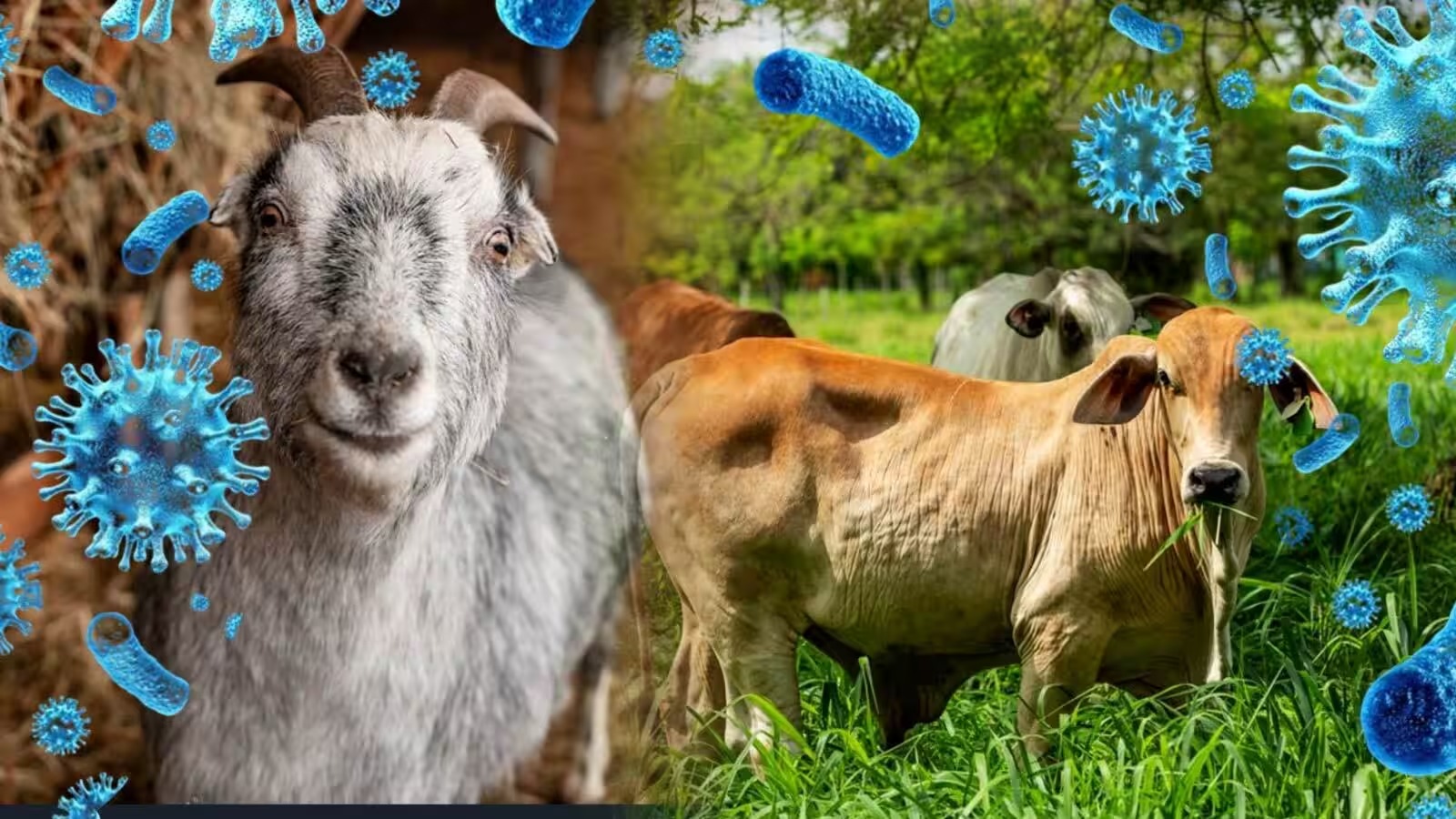
The news of an unknown and dangerous virus entering humans once again across the world has increased the concerns of scientists and health departments. A very shocking case has come to light from France, a developed country in Europe, where ‘Shamonda Virus’, which usually preys on animals, has now succeeded in infiltrating the human body as well. There has been an international stir after the painful death of a patient infected with this deadly virus in France. Although local health officials have clarified that this is an exceptional case, such transfer of virus from animals to humans (Zoonotic Disease) is being considered a major threat for the future. The World Health Organization (WHO) and other European health agencies are monitoring this entire incident very closely.
According to experts in medical science and virology, Shamonda virus is mainly an insect-borne virus belonging to the Orthobunyavirus family and Simbu serogroup. Historically, this virus has never been found in humans, but has affected primarily cattle (cows, sheep, goats, and horses) in parts of Africa and Asia for decades. Due to this virus, problems like high fever, severe diarrhea, lethargy, and severe decline in milk production are seen in infected animals. Apart from this, it also causes abortion or serious fetal malformations in pregnant cattle. The spread of this virus among cattle had already been confirmed in many countries of Europe during the summer season, but no one had imagined that it would cross the border and reach humans.
According to official information provided by the French ministries of health and agriculture, this is the world’s first documented case of a human being infected with the Shamonda virus. Initial epidemiological investigation has revealed that this patient living in eastern France was probably infected by the bite of a special type of small fly i.e. ‘Culicoides midge’. These small insects or flies are considered to be the main carriers of spreading this virus among animals. However, medical experts also say that the patient who died was already suffering from some other serious and complex disease and his immunity was extremely weak (immunocompromised). Due to his weak immune system, the virus severely affected his brain, causing him to die.
As soon as the news of the death of this patient in France came in the media, it was natural for the common people to fear a new epidemic like Covid. Dispelling this fear, the French Health Ministry and international health organizations have clarified that at present there is no reason for the general public to panic. In the scientific investigations conducted so far, no evidence has been found that this virus can spread from one person to another. This is a rare and rare ‘spillover event’, where the virus enters the body of a vulnerable human through an insect in an unusual way. Nevertheless, the European Center for Disease Prevention and Control (ECDC) and other medical research institutions are trying to understand whether the mutation or genetic changes of this virus could pose a major threat to humans in the future.
The detection of Shamonda virus in humans is the latest evidence of how due to climate change and changes in the environment, animal diseases are now knocking in the human world. As temperatures are rising, insects, especially biting flies and mosquitoes, are spreading into new areas, widening the scope of virus transmission. Scientists and veterinarians have especially advised farm workers and animal farmers to take preventive measures against insect bites, such as wearing clothing that covers the body, using insect repellents, and installing screens on windows. Although there is currently no specific vaccine or treatment for this virus available for humans, this incident has made global health agencies more alert and vigilant to deal with future pandemics.