 look news india

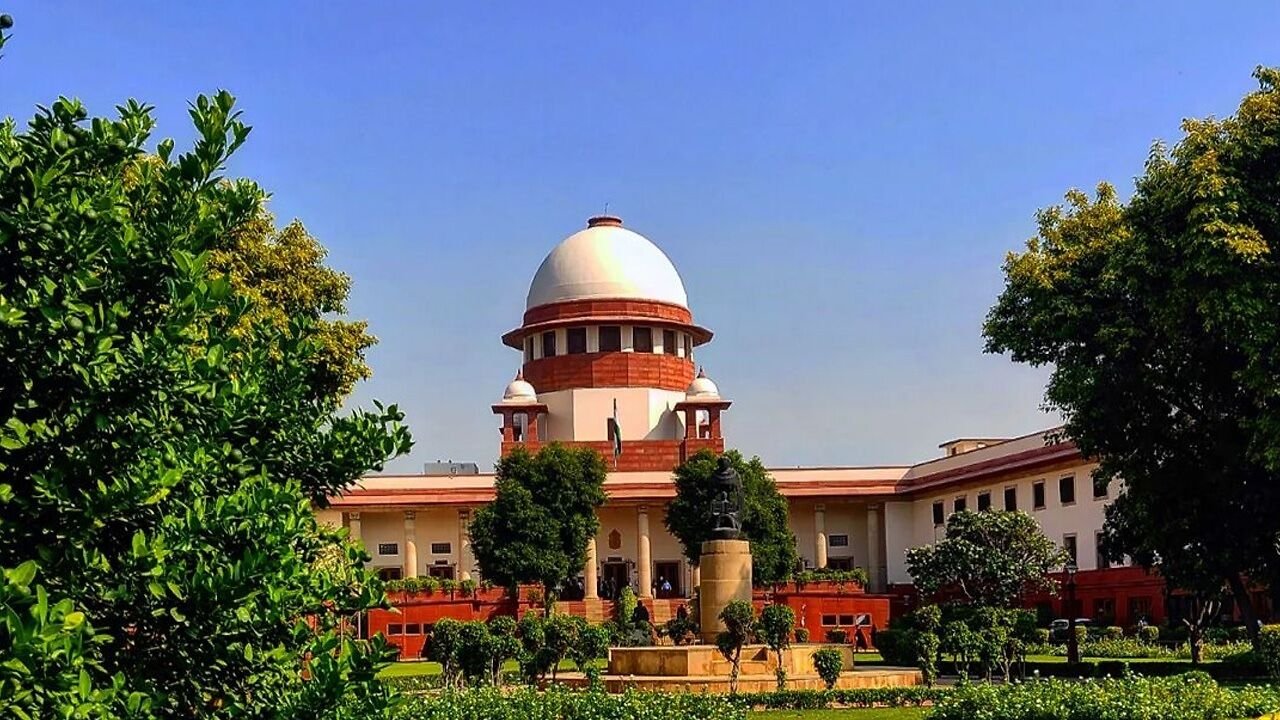
There is a big relief news for the patients and their relatives who are suffering from arbitrary billing and recovery more than the Maximum Retail Price (MRP) on medicines, surgical instruments and consumables during treatment in private hospitals. During the hearing of the PIL filed in the country’s highest court i.e. the Supreme Court against the arbitrariness and excessive profiteering of private hospitals, the Central Government has taken a solid and tough stand. The government has assured the apex court that a nationwide regulatory framework and strict guidelines will soon be implemented to completely curb illegal recovery from patients in the name of medicines, medical devices and test charges by hospitals. After this clear commitment of the Centre, it is certain to increase the problems of those corporate and private hospitals, which prevent patients from purchasing medicines from the open market through in-house pharmacy and add exorbitant extra charges to the bill.
The serious fact raised in the petitions before the Supreme Court is that many private hospitals across the country impose the condition of purchasing medicines and surgical items only from their authorized pharmacies on their premises. Apart from this, a price many times more than the MRP printed on the packaging is added to the bill in the form of ‘hospital charge’ or ‘administration fee’. Expressing strong displeasure over this, the apex court clarified that Article 21 of the Constitution gives citizens the fundamental right to a dignified life and health. In case of serious illness, taking advantage of the helplessness of the helpless patient or his family to earn huge profits cannot be left unchecked under any circumstances. The court had questioned the government as to why the determination of standardized rates for states and hospitals under the Clinical Establishment Rules has not yet been fully implemented.
The Solicitor General, appearing for the Union Ministry of Health and Family Welfare, assured the court that the government is absolutely serious about making health services transparent and affordable for the general public. The government has presented before the Court a draft of 4 key steps:
-
Strict price controls on drugs and medical devices: The process of capping trade margins on essential medicines as well as stents, orthopedic implants, syringes, gloves and other medical consumables will be expedited in coordination with the National Pharmaceutical Pricing Authority (NPPA).
-
Monopoly of in-house pharmacy will end: Clear orders will be given to the hospitals that they cannot stop the relatives of the patients from bringing medicines from any registered or Jan Aushadhi center outside the hospital premises. The accreditation of hospitals doing so may be in danger.
-
Mandatory public display of rate list: Every private hospital will have to post the official rate list of all routine procedures, bed charges, ICU charges and basic tests at its reception, website and billing counter, so that the patient can get a transparent idea of the estimated cost before admission.
-
Heavy fine and license cancellation on illegal recovery: If a single rupee is charged more than the MRP, an FIR will be registered against the hospital under the Drugs and Cosmetics Act and Consumer Protection Act and if the rules are repeatedly broken, the operating license of the hospital can be suspended.
The central government had enacted the ‘Clinical Establishments (Registration and Regulation) Act’ in 2010, which had a provision to set a minimum and maximum limit on the fees charged by hospitals. But health being a subject in the state list, many big states showed hesitation in implementing it completely. After the intervention of the Supreme Court, the Central Government has held a high-level meeting with the Health Secretaries of all the states and directed the states to rationalize the rates of private hospitals at their respective levels. If state governments fail to fix standard rates, the central government is considering issuing a common model rate chart under the Central Health Act, which will become the baseline across the country.
According to legal and consumer affairs experts, the MRP (Maximum Retail Price) recorded on any product is the maximum limit, exceeding which it is a legal offense. No matter how big or corporate a hospital is, it cannot charge more than the MRP. If a hospital bills more than the MRP on medicines, syringes or other accessories or threatens to discharge the patient if medicines are purchased from outside, consumers can take immediate action through the following means:
-
National Consumer Helpline (NCH): toll free number 1915 Complaints can be lodged immediately by calling or through the consumer app.
-
Legal Metrology Department: Complaint of MRP violation can be given to the State Legal Metrology Controller by email or in writing along with evidence (image of hospital bill and packet).
-
Consumer Forum (Consumer Court): A case can be filed in the District Consumer Commission for damages and refund under Unfair Trade Practice.
This confidence given by the Central Government in the Supreme Court has provided great support to crores of middle class families of the country, who during the treatment of any serious disease, get drowned in debt under the burden of huge and non-transparent hospital bills. Now all eyes are on the final guidelines to be issued by the government.