 look news india

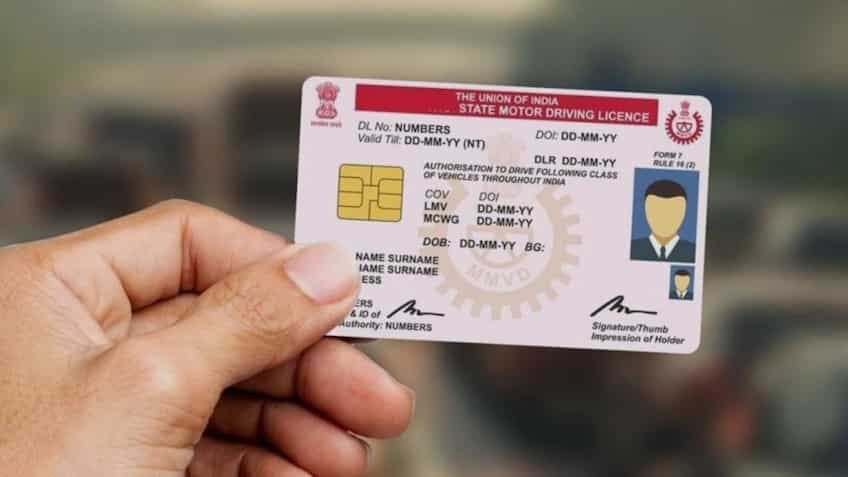
Relief news is emerging for crores of drivers across the country regarding the processes related to Driving License (DL) and Registration Certificate (RC). The Union Ministry of Road Transport and Highways (MoRTH) is working on a comprehensive draft to make the licensing rules under the Central Motor Vehicles Rules (CMVR) completely digital, transparent and citizen-friendly. These new amendments are expected to provide direct relief to the common people who have been running around the RTO for a long time, getting trapped in the clutches of brokers and having to spend a lot of money to change small details like address or mobile number. The main objective of the proposed draft rules is to provide most of the transport services to the citizens in a faceless manner from the comfort of their homes, so that the pressure of crowd at the regional transport offices can be eliminated.
The biggest change in this new proposal that directly impacts the pocket is the complete waiver of the fee for changing the residential address in the driving license. Under the current rules, whenever a person updates a new address in his DL due to change of job, business or house, he has to pay a government processing fee of ₹ 200 to ₹ 500 along with smart card or handling charge. According to the draft proposal, there is a plan to reduce the entire fee for Aadhaar-based address change to zero to promote digital governance. That is, if your Aadhar card is updated, then through digital verification through the Parivahan Seva portal, your new address will be recorded in the records without any extra charge.
Under the old rules, changing the photo and signature printed on the driving license was considered the most troublesome task, because for this the applicant had to personally appear at the RTO counter for biometric verification. In licenses made many years old, often the photographs of the drivers become so old or blurred that there is difficulty in establishing the identity during traffic checking or international identification. Under the proposed rules, there is now a plan to bring this system completely on the online platform. Through Aadhaar Authentication and Live Facial Recognition technology, applicants will be able to update digital photo and signature online directly from their new identity documents, for which the compulsion of standing in line in front of the biometric cameras of RTO will end.
Sarathi portal and mParivahan app are being upgraded in such a way that 90 percent of the services from a new learner license to renewal become completely contactless. After the implementation of the new rules, if an applicant makes amendments in his address or personal details, he will immediately get the Digital Driving License (DL) in the updated format in DigiLocker and M-Parivahan app. If the applicant also wants a physical smart card, he will get the option to order a new card by speed post at his home address by paying only minimum card printing and postal delivery charges. This will completely eliminate the pile of files in transport offices and the scope for brokerage.
This reform will prove to be a boon especially for the youth, students and employed people who frequently change their flats or cities in big cities like Lucknow, Delhi, Mumbai, Bengaluru for higher education or employment. Till now, drivers were in the habit of not updating their address due to fear of NOC and heavy charges when moving to another state or district, due to which they had to face huge legal problems at the time of accidents, traffic e-challan and insurance claims. Once the rules are simple and free, people will voluntarily update their address and mobile number immediately, thereby maintaining real-time records in the traffic monitoring and road safety database across the country. The Central Government is inviting objections and suggestions from all the states and the general public before issuing the final notification on this draft, after which it will be formally implemented.