 look news india

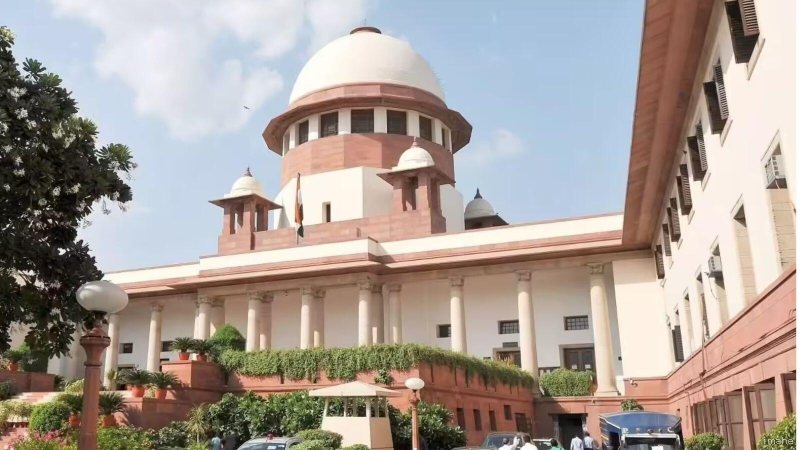
In this modern era of digital revolution, the Supreme Court of India has given a very far-reaching and historic judgment towards securing and empowering the future of the coming generations of the country as well as every citizen. The bench led by the Chief Justice, while hearing an important petition, has made it clear that secure, uninterrupted and accessible access to the Internet is not just a modern convenience or technological means, but it is an integral part of the fundamental rights enjoyed by every citizen under the Constitution. The court particularly underlined that this right also includes the small children of the country, for whom in today’s era, the doors of quality education, general knowledge and all-round development open only and only through the internet.
This decision of the apex court not only adds a new chapter in the legal history of India, but it also provides a strong legal shield towards ensuring equitable access to digital resources to the last person sitting in every corner of the country. After this decision, it has become the responsibility and primary responsibility of the Central Government, State Governments and all the local administrations to make concrete and effective policies to provide internet connectivity to every child and citizen of the country without any digital divide or inequality.
In its detailed judgment, the Supreme Court has interpreted Article 21 (right to life and personal liberty) and Article 19(1)(a) (freedom of speech and expression) of the Constitution of India in the modern context. The bench said that in the modern world, the Internet has become the primary means to obtain education, express one’s opinion and seek new opportunities for livelihood. In such a situation, if any citizen or especially children are denied access to the Internet, then it is a direct violation of their fundamental right to live a dignified life and to fully develop their talents. The court emphasized that if children living in rural and remote areas do not get access to the internet, they lag behind in competition compared to children in urban areas, which is against the spirit of social and economic justice.
The court clarified that the right to education is no longer limited to books and the four walls of the classroom. In this era of online learning, digital libraries and e-pathshalas, internet has become an essential part of every child’s bag. Therefore, providing uninterrupted internet access to children is essential for their bright future and all-round development of the country.
The direct impact of this decision of the Supreme Court will be seen on India’s digital infrastructure and the development work happening at the local (geographical) level. There has been a huge problem of connectivity in remote areas of the country like North-Eastern states, hilly areas and small villages in rural areas. After this direction of the court, now the states and local district administrations will have to speed up the work of laying optical fiber, installing mobile towers and providing uninterrupted network services in their respective areas.
Now internet connectivity will have to be considered an essential infrastructure for local administration like water, roads and electricity. Campaigns to set up free or subsidized internet centers in rural schools, panchayat buildings and community centers will now get the force of law. This will not only benefit the students, but will also increase digital literacy at the local level, give small traders an opportunity to join e-commerce and give a new lease of life to the local economy.
Along with declaring the Internet as a fundamental right, the Supreme Court has shown utmost vigilance and sensitivity towards the digital safety of children and protection from cyber crimes. The court has clearly underlined in its judgment that while on one hand access to the internet is the right of children, on the other hand it is the collective duty of the government, society and parents to keep them safe from dangers like cyber bullying, pornographic material, online fraud and internet addiction.
The court has issued strict directions to the Central and State Governments asking them to provide access to the internet as well as build a strong, secure and accountable cyber security mechanism. The use of age-appropriate filters and safe search technology should be made mandatory in schools and public digital centres. Awareness campaigns related to cyber security should be made a part of the school curriculum so that children can remain fully alert about its potential dangers while availing the benefits of the Internet.
This landmark decision of the Supreme Court has made it clear that the future India will not allow any citizen to be deprived of opportunities just because he does not have digital means available. Access to internet in the hands of children will now give a new sky to their dreams and will play its most important role in making India a knowledge based global economy.