 look news india

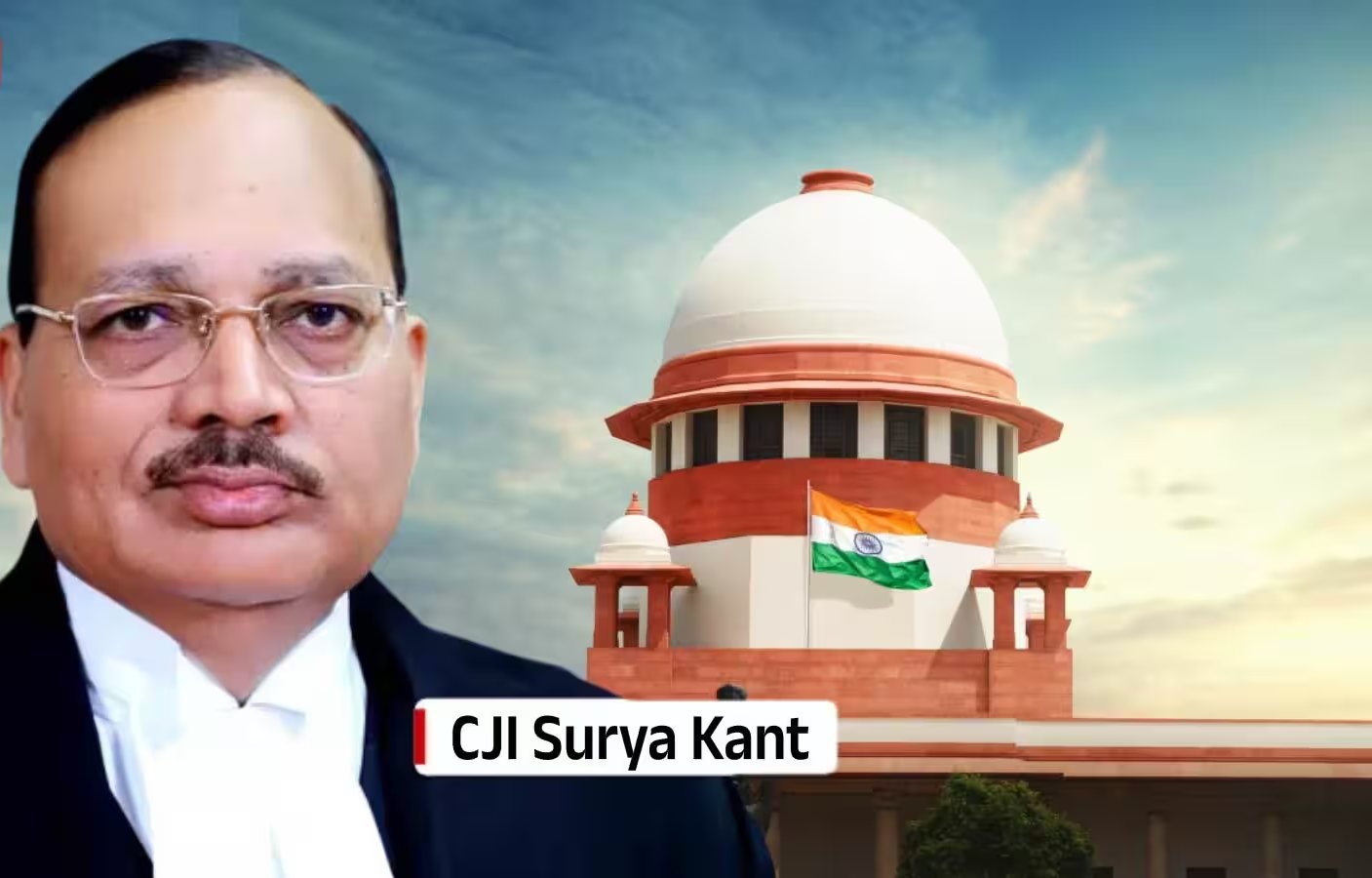
Once again in the history of the Indian judicial system and democratic institutions, the apex body of lawyers has taken a very strong and vocal step to save the dignity and independence of the judiciary of the country. Delhi Bar Council has written a very important and serious letter to the Chief Justice of the country (CJI) Surya Kant. This letter strongly condemns the systematic baseless personal attacks, defamatory statements and serious allegations being made without any concrete evidence against the respected judges of various High Courts and Supreme Court of the country in recent times. Such undue pressure and attacks on the temple of justice have given rise to a new and heated debate in the legal circles. Let us understand from the perspective of an independent ground reporter what is the main reason behind this entire controversy and what sensitive issues have been raised prominently by the Delhi Bar Council in its letter.
In recent times, a dangerous trend of directly questioning the personal character, integrity and impartiality of judges in the guise of criticizing the decisions of the judiciary on social media, political forums and some selected public platforms has increased rapidly. Sensational allegations are being made against the judges without any solid and concrete evidence, due to which a conspiracy is being hatched not only to create distrust in the judicial system in the minds of the general public, but also an attempt is being made to mentally influence the ability of the judges to take decisions independently.
Taking cognizance of this serious situation, the President and senior officials of Delhi Bar Council have unitedly sent a detailed letter to Chief Justice Surya Kant. The Bar Council has bluntly said that this kind of weakening of the pillars of the judiciary in the name of freedom of expression should not be allowed at any cost. If such baseless personal attacks on judicial officers and judges continue unabated, it may upset the balance of the entire constitutional structure of the country.
Delhi Bar Council in its letter has given special emphasis on the fact that in a country with rule of law, the judiciary is the last hope. It is the democratic right of every citizen and lawyer to express disagreement with any decision and demand its review within the legal framework, but under the guise of the decision, directly tarnishing the personal reputation of the judge and making allegations against him of being corrupt or adopting a biased attitude without any concrete evidence is completely condemnable.
The Bar Council has clarified that unless there is solid, irrefutable and legally verified evidence, running a public malicious campaign against any judge amounts to contempt of court and causing irreparable harm to the justice system. This body of lawyers has demanded that strictest legal steps should be taken to curb such destructive tendencies so that judges can get an opportunity to discharge their constitutional responsibilities in a fear-free and impartial environment.
After this move of the Bar Council came to light, a round of reactions have started among lawyers, jurists and intellectuals across the country. A large section is fully supporting this letter of the Bar Council, who believe that it was very important to take such stringent steps in time to protect the independence of the judiciary. Lawyers say that some people with vested interests are trying to drag the courts into disputes to further their political or personal interests, which should not be tolerated at all.
However, some legal analysts also argue that constructive criticism and debate to maintain transparency in the judiciary should not be completely suppressed, but the line between defamation and making allegations of character impropriety without evidence should be extremely clear.
Since assuming charge as the Chief Justice of the country, Justice Surya Kant has had huge responsibilities to improve the functioning of the judiciary, speedy disposal of cases and keeping the dignity of the courts untouched. This letter of Delhi Bar Council has directly come to the notice of the leadership of the apex court, and now it will be very interesting to see what guidelines or administrative steps the Supreme Court takes to deal with this organized pressure and personal attacks.
However, this incident has once again proved that it is not only the judges but the lawyers and the entire society who have the equal responsibility to safeguard this strongest pillar of democracy. This voice raised against the culture of slinging mud at the guardians of justice without any solid and concrete evidence can prove to be a big milestone in the field of Indian jurisprudence in the coming days.