 look news india

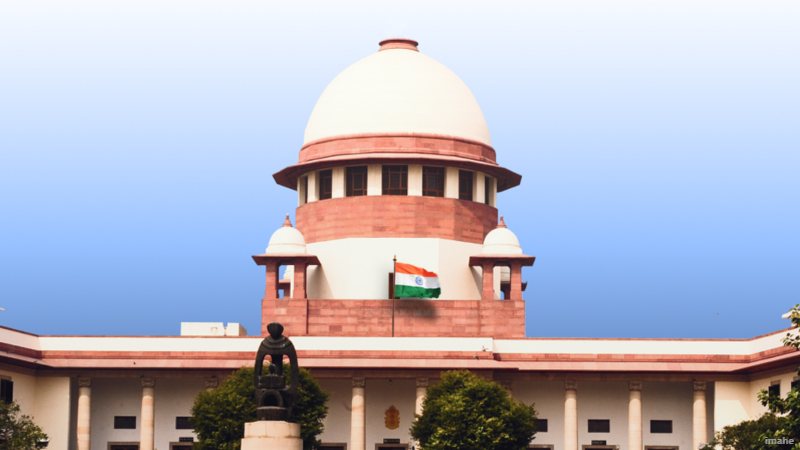
The top court of the country i.e. the Supreme Court of India has once again taken a very strict and tough stance on the health rights of the general public and the huge profiteering of private hospitals and pharma companies. During the hearing, the bench of Justice Vikram Nath and Justice Sandeep Mehta asked the Central Government that when the government can limit the trade margin on anti-cancer drugs to 30 percent (30% Trade Margin Cap), then why cannot the same limit be applied to all other life-saving drugs, saline drips, stents and other medical devices?
The court said in a very strict tone that when an ordinary citizen falls ill and is admitted to a hospital, he has no right to choose or bargain for medicines. In such a situation, retailers exploit patients by charging hundreds of times more than the cost, which is the moral and legal responsibility of the government to stop.
While hearing the petition filed in the apex court, the bench presented the example of excessive markups charged by hospitals and retailers. The judges said that the Saline Drip, which actually costs only around Rs 11, is sold to patients in hospitals for Rs 270 to Rs 300. Whereas the cancer medicine which is available to the wholesaler or retailer for ₹ 2,700, is being sold at its maximum retail price (MRP) of ₹ 27,000.
The court questioned the government that all other costs like transportation, raw material cost, research and development (R&D) are already included in the MRP. Despite this, how can companies and private hospitals be allowed to earn profits ranging from 400 percent to 1000 percent? The Supreme Court termed it as plain robbery of common taxpayers and helpless patients.
During the hearing, Solicitor General Tushar Mehta, appearing for the Central government, informed the court that the National Pharmaceutical Pricing Authority (NPPA) and the government have decided to limit the trade margin on non-scheduled cancer drugs to 30 per cent. The government said that this step will bring down the prices of more than a hundred life-saving cancer medicines and patients will save crores of rupees annually.
However, the court did not seem satisfied with this limited reply of the government. The bench clarified that a similar transparent and controlled pricing mechanism should be implemented not only for cancer, but also for medicines for heart disease, kidney disorders, diabetes and other serious diseases and medical consumables (like stents, pulse oximeter, syringes etc.).
The Supreme Court has given time till October 27 to the Central Government to prepare its reply and comprehensive policy. The court has directed the government to develop a mechanism under the provisions of the Drugs (Prices Control) Order (DPCO, 2013) so that medicines and health services can be made available to every poor and middle class citizen of the country at cheap and affordable rates.
If after this strict stance of the Supreme Court, a certain limit is fixed on the trade margin of all essential medicines and medical equipment in the country, then it will prove to be the biggest and revolutionary economic reform ever in the healthcare sector of the country (Healthcare Sector in India), which will save crores of needy families from medical bankruptcy (drowning in debt due to treatment).