 look news india

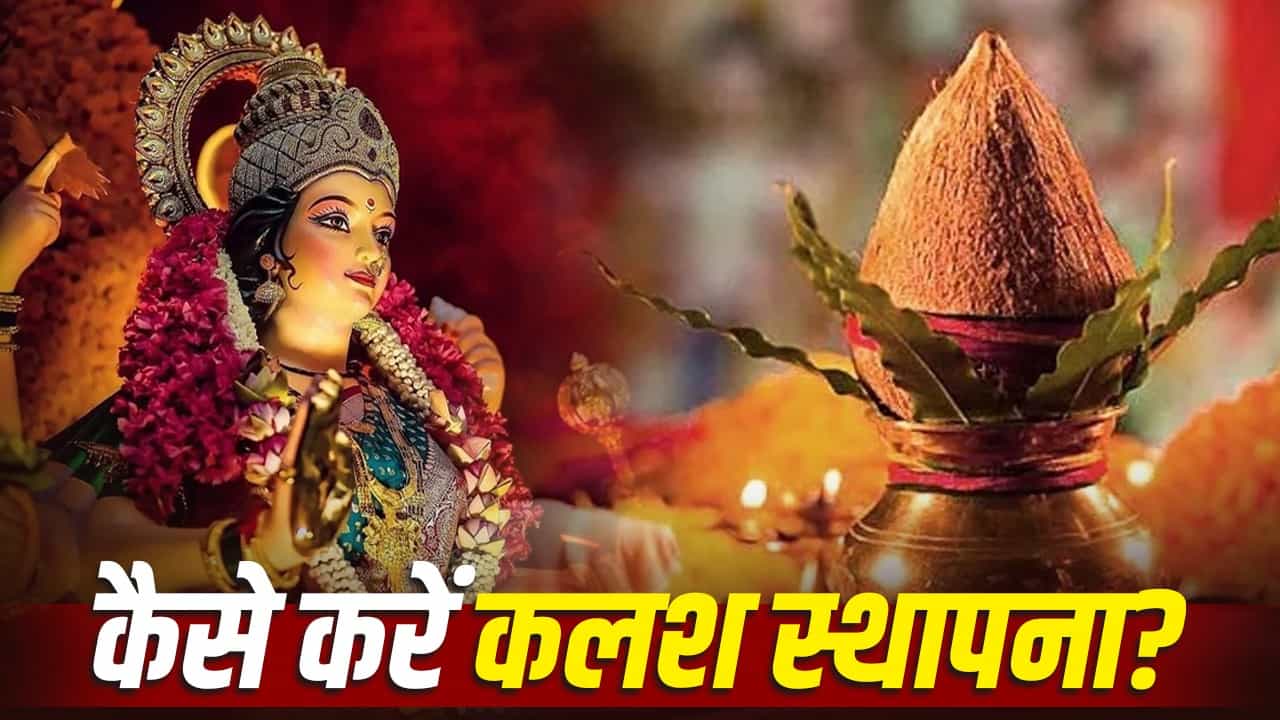
In Sanatan Dharma, Navratri, the great festival of Shakti Sadhana, is considered to be the most sacred festival of self-purification, transmission of positive energy and worship of nine divine forms of Mother Bhagwati. The most important and mandatory ritual in Shardiya Navratri starting from Pratipada Tithi of Shukla Paksha of Ashwin month. Ghatasthapana (urn installation) It happens. In the scriptures, Kalash is considered a symbol of the universe and the abode of all the gods, goddesses, pilgrimages and Vedas. The Kalash, ritually installed on Pratipada Tithi, transmits positive energy in the house for the entire nine days and blesses the family with happiness, peace and prosperity. If you are going to install Kalash in your home for the first time this year, then there is no need for any kind of doubt or panic. In the scriptures, very simple, authentic and emotional method of worship has been described for the householders.
Devotees performing the puja for the first time should collect all the necessary materials a day in advance, so that they do not face any disruption at the time of auspicious time:
-
Kalash and base: A new pot made of clay, copper or brass (use of iron, steel or aluminum utensils is prohibited), a wide earthen pot (sakora) in which barley will be sown, clean and sifted fertile soil.
-
Barley and water: Clean whole barley, Ganges water and pure fresh water.
-
Pallava and Coconut: 5 or 7 leaves of mango or ashoka, dry coconut (watery) with one coir, red new cloth or chunni, kalava (mauli).
-
Ingredients to put inside the urn: 1 betel nut, 1 lump of turmeric, 1 silver coin or normal coin, a little akshat (unbroken rice), roli, few drops of perfume and durva (doob grass).
-
Mata’s stool and makeup: Wooden stool (Pata), red or yellow new cotton cloth, beautiful picture or statue of Maa Durga, 16 makeup items.
-
Dhoop, Deep and Naivedya: Lamp made of pure cow’s ghee, incense sticks, camphor, pair of cloves, batasha or pedas, fruits, panchamrit and betel leaves.
The first thing to be considered is the selection of the place of worship in the house. According to Vaastu Shastra and religious texts, during Navratri the post of Maa Bhagwati is always in the house. Ishan Kon (north-east direction) Or it should be installed in the east direction.
Sanctify the place of worship by sprinkling Ganga water. After this, place a clean wooden stool and spread a new red cloth on it. Make an octagonal lotus from Akshat or install the statue/picture of Maa Durga on top of the post. The place of Kalash Sthapana is determined on the right side of the mother (i.e. on the left side when you sit) and the place of Akhand Jyoti or general puja lamp is determined on the left side.
The first step of Ghatasthapana is to plant ‘Barley’ (Jaware) symbolizing nature and Annapurna:
-
First of all, spread a layer of clean soil in a wide earthen vessel (sakore).
-
Scatter the cleaned whole barley grains evenly over it.
-
Add a light layer of soil again over the barley so that the grains are completely covered.
-
Now sprinkle some Ganga water and pure water on it with your hand (be careful not to add so much water that the soil becomes a swamp, just moisture should remain).
-
You have to install the Kalash exactly in the middle of this vessel containing barley.
Now comes the turn of preparing the main Kalash, which must be done with great concentration and a pure mind:
-
Decoration of Kalash: Tie Kalava (Mauli) 3 or 5 times around the neck of the copper, brass or clay pot. Make a ‘Swastika’ symbol, a symbol of auspiciousness, with Roli and sandalwood on the outer part of the Kalash.
-
Filling water: First put some Ganges water inside the Kalash, then fill it up to the neck with pure water.
-
Putting sacred objects: Offer 1 betel nut, 1 coin, 1 lump of turmeric, Durva, some Akshat and a few drops of perfume in a pot filled with water.
-
Putting pallava: Decorate the mouth of the Kalash with 5 or 7 leaves of Mango or Ashoka all around in such a way that their branches are touching the water and the leaves are seen blooming upwards. Apply Roli tilak on the leaves.
-
Intact on lid: Place an earthen or brass bowl (purnapatra) in the middle of the leaves and fill it completely with clean rice (akshat).
-
Coconut installation: Tie Kalava on a matted coconut and wrap it in red chunni or red cloth. Place the coconut on top of the rice filled in the bowl in such a way that the face of the coconut (the side where there are three eyes) is towards the seeker i.e. towards you or upwards. According to the scriptures, coconut facing towards itself is considered to be the provider of wealth and prosperity.
-
Now install this entire Kalash in the center of the vessel containing barley.
After installing the Kalash, take some water, Akshat, flowers and a coin in your hand and take a resolution:
“O Supreme God, O Mother Jagadamba! I (say your name), (say your Gotra), am establishing the Kalash on the holy festival of Navratri for happiness, peace, prosperity and your happiness. Please accept this worship of mine and shower your blessings on my family.”
Leave the water of resolution on the ground in front of the post. After this, while offering Akshat and flowers on the Kalash, meditate on Varun Dev, Brahma, Vishnu, Mahesh and all the holy places. While meditating on Goddess Shailputri, offer incense, lamp, fruits and sweets to the Kalash. At the end, perform the aarti of Maa Durga and pray for forgiveness that if there is any mistake in this puja being done for the first time, then the mother should forgive it with her love.
-
Do not shake the urn: Once the Kalash is installed, it is not moved or moved at all for nine days.
-
Watering barley: Keep sprinkling a little water in the vessel containing barley every morning during puja so that beautiful green barley grows in nine days. In the scriptures, rapid growth of barley is considered a sign of blessings in the house.
-
Good conduct: Maintain a completely sattvik atmosphere in the house for nine days. Completely give up garlic, onion and non-vegetarian food and avoid any kind of discord at home.
-
Akhand Jyoti option: If you are performing the puja for the first time and are unable to maintain the Akhand Jyoti for 24 hours, do not worry. You can light a normal ghee lamp only during regular morning and evening puja. Emotions are supreme in devotion, do not take any unnecessary stress from the rules.