 look news india

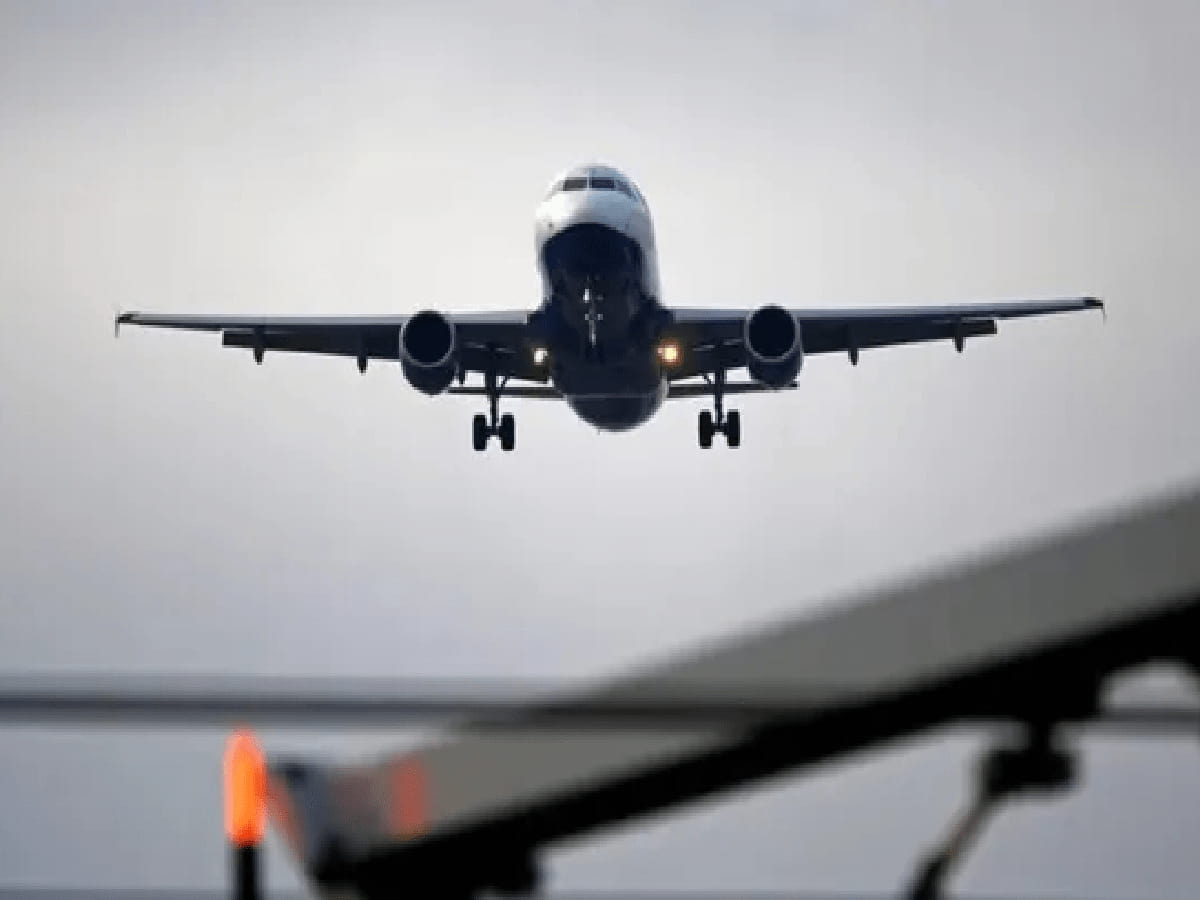
A huge and historic step has been taken towards self-reliance in the Indian aviation sector. Union Civil Aviation Minister K. Rammohan Naidu has announced that India will produce its first indigenous civilian aircraft through a joint venture within the next two years. With this ambitious initiative, India is going to establish a new and strong identity in the field of aircraft manufacturing at the global level.
Addressing a program of the Indian Foundation for Quality Management, the Aviation Minister said that the entire ecosystem of aircraft manufacturing in the country is rapidly strengthening. He also emphasized that for high-level and quality manufacturing, it is important to have the best materials, skilled labor and an enabling policy framework.
The Minister acknowledged that aircraft manufacturing is a long and complex process, with design, certification, supply chain and setting up production lines typically taking a decade or more. However, India has already started concrete efforts in this direction. Currently, global companies like Boeing and Airbus are sourcing components and services worth about $4 billion from India, and it is estimated that this figure will increase to $10 billion by the end of this decade.
Many major steps have been taken to strengthen the foundation of aircraft manufacturing in the country. Hindustan Aeronautics Limited (HAL) has signed an agreement with Russia’s United Aircraft Corporation (UAC) for license production of the Superjet SJ-100 regional passenger aircraft in India. Apart from this, Tata Group’s Tata Advanced Systems and Airbus have set up the final assembly line of C-295 transport aircraft in Vadodara, under which 40 aircraft out of the total 56 aircraft of the defense contract will be manufactured in India.
Private sector major Mahindra Group has acquired a majority stake in Australia’s Gippsland Aeronautics (GippsAero), which is known for manufacturing small passenger aircraft. Apart from this, Mahindra has also formed a company called ‘Novavayu Aerospace’ for aircraft manufacturing and has partnered with Embraer for military transport aircraft programmes. Embraer has also joined hands with Adani Group to speed up manufacturing of civil aircraft.
Aviation Ministry officials believe that all these announcements will provide unprecedented strength to the aircraft manufacturing infrastructure in the country. India’s aviation market has expanded rapidly in the last few years. While there were only 74 airports in the country in 2014, now their number has increased to 166. The government plans to add 100 more new airports to the aviation network in the coming ten years.
Passenger traffic in the Indian aviation market is growing at record levels. Indian airports have handled around 41.2 crore passengers during the financial year 2024-25. The country’s domestic airlines currently have a fleet of about 850 aircraft, while large orders for more than 1,600 new aircraft have been placed by various companies, estimated to be worth about $100 billion. At present IndiGo and Air India are among the leading companies ordering the highest number of aircraft in the world.
However, the global civil aircraft market is still mainly dominated by two giants, America’s Boeing and Europe’s Airbus. China’s state-owned COMAC was founded in 2008 and it took almost 15 years for its first civil aircraft, the C-919, to make its first commercial flight. In such a situation, this indigenous step of India is going to start a new and strong chapter in the global aviation market.