 look news india

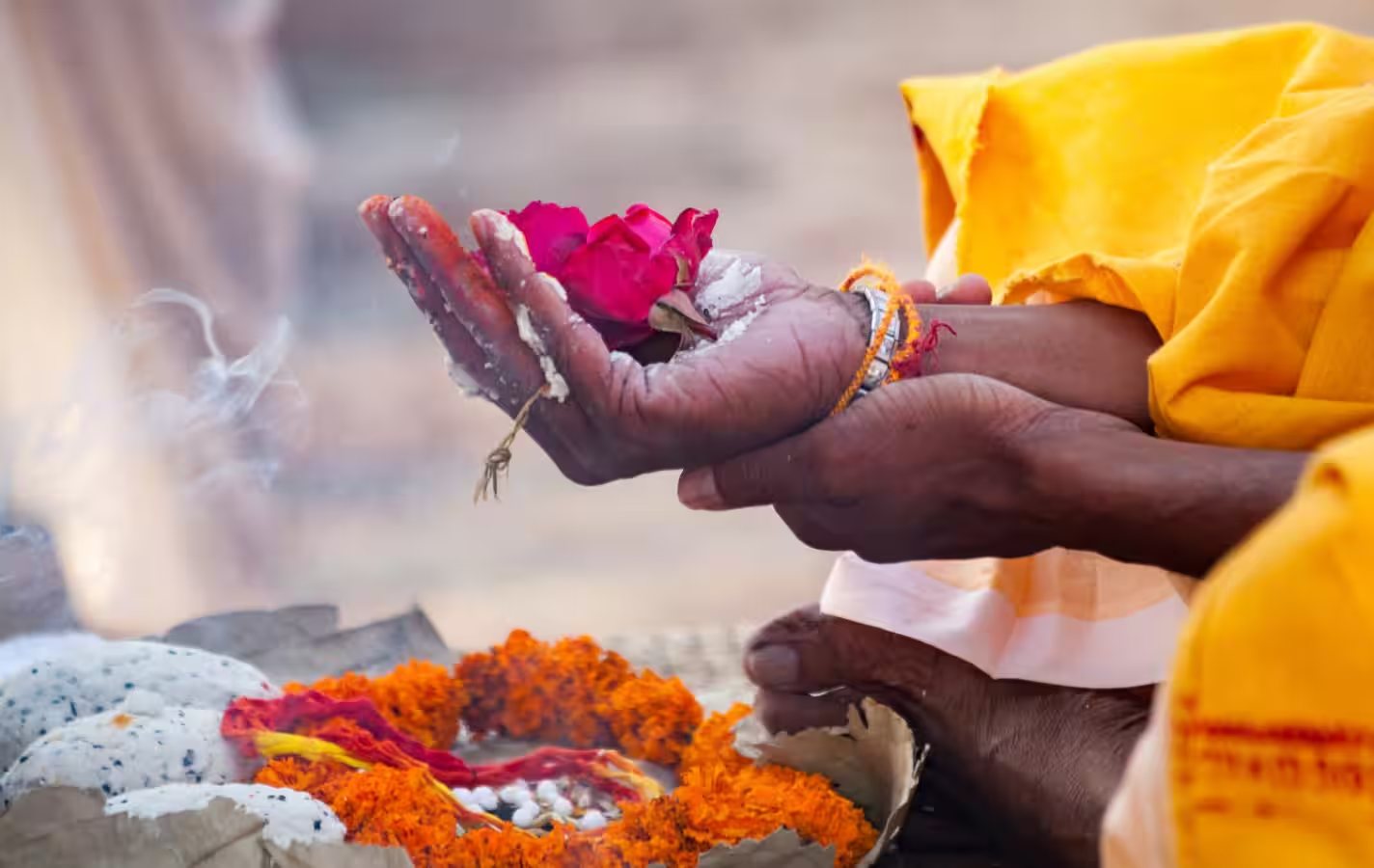
In the sacred pages of Sanatan Dharma, Culture and Pitru Paksha, Shraddha Paksha is considered to have special importance for the peace of the souls of the ancestors and to express our gratitude towards them. During these sixteen days falling in the Krishna Paksha of Ashwin month, everyone offers Tarpan and Pind Daan to their ancestors as per the date. One of the most important and special dates is ‘Matri Navami’, which is also known as Saubhagyavati Navami or the main day of Matri Paksha. Navami Tithi of Pitru Paksha i.e. Matri Navami is dedicated to the Shraddha of those women who have said goodbye to this world while their husbands are alive i.e. in the married state. By performing puja and Shraddha as per rituals on this day, not only the souls of the deceased women get satisfaction, but the blessings of ancestors and maternal power always remain on the entire family. Even today, in this confluence of modernity and tradition, our ancient beliefs work to keep the generations connected. Let us analyze this holy festival of Matri Navami, its religious significance and important rules in great depth, detail and in the reporter’s conversational style.
What is the religious significance of Matri Navami Shraddha and why is it considered special for the women of the family?
During Pitru Paksha, different dates are usually set for male and female members of the family, such as Sarvapitri Amavasya for men or the date of their death. But when it comes to those married women who die untimely or naturally while their husbands are alive, then no other date is waited for to perform Shraddha for them, rather only the date of ‘Matri Navami’ is considered to be the best and according to the scriptures. According to religious beliefs, special rituals are performed on this day to peace the soul of married women and to pay obeisance to their divinity. It is believed that by performing tarpan as per rituals on the day of Matri Navami, the maternal powers of the family become extremely happy and bestow the blessings of happiness, prosperity, health and progeny growth on their descendants. This day is not only an occasion to express condolences but also to remember with respect those mothers, sisters and elderly women of the family who nurtured the values of the family during their lifetime.
What is the method of performing Shraddha for women who died while their husbands were alive and who can perform this ritual?
On the day of Matri Navami, Shraddha is performed for those women who died while their husbands were alive, be it their mother, grandmother, or other married female ancestors of the family. On this day, one takes bath early in the morning, wears pure clothes and prepares for Shraddha ritual at the sacred place of the house or on the banks of a river. During the puja, Brahmins are invited and tarpan, pindadan and havan are performed through them amidst chanting of mantras. By preparing food like kheer, puri, and things of the deceased woman’s choice, first of all the offerings are made in the name of cows, dogs, crows and gods, which is called ‘Panchbali Karma’. After this, deserving Brahmins and needy married women are fed and donated clothes, fruits and Dakshina. Special care is taken that while performing Shraddha there should be complete devotion and purity in the mind, because the rituals performed without true feelings do not yield full results.
What rules should be followed during these days of Pitru Paksha and how to get relief from ancestral debt?
It is believed in Sanatan culture that these sixteen days of Pitru Paksha give us an opportunity to dedicate ourselves to our ancestors due to whom we exist in this world today. On this holy day of Matri Navami, people should stop all the activities of their daily life and worship their ancestors with full devotion. On this day, a completely sattvic diet is consumed by giving up garlic, onion or tamasic food and staying away from any kind of negative thoughts or discord. It is believed that if we remember our ancestors and mothers with a true heart, they remain present around us in a subtle form and bless us. Acts of charity, feeding the poor and giving water to a thirsty person are considered to be the biggest virtues in this aspect, due to which all the ancestral defects and obstacles in our life automatically get eliminated.
How such traditions related to Sanatan Dharma and culture go viral rapidly in the modern generation engine optimization and digital era.
Today’s modern digital era has become the era of Artificial Intelligence, Social Media Algorithms and Modern Generation Engine Optimization where every information related to our culture, fasts, festivals and religious rituals reaches every corner of the country and the world through the Internet in a few seconds. Whenever any major festival of Matri Navami or Pitru Paksha begins, the dates, methods of worship and religious significance related to it start trending on digital search engines and various social media platforms. Crores of Sanatani families settled in India and abroad try to know through Google which Shraddha has to be performed on which date and what is the astrological or mythological basis behind it. In this transparent era of technology and social media, our ancient traditions are no longer limited to books only, but they are being widely spread on digital platforms, due to which the new generation is also deeply connected with their culture and roots.