 look news india

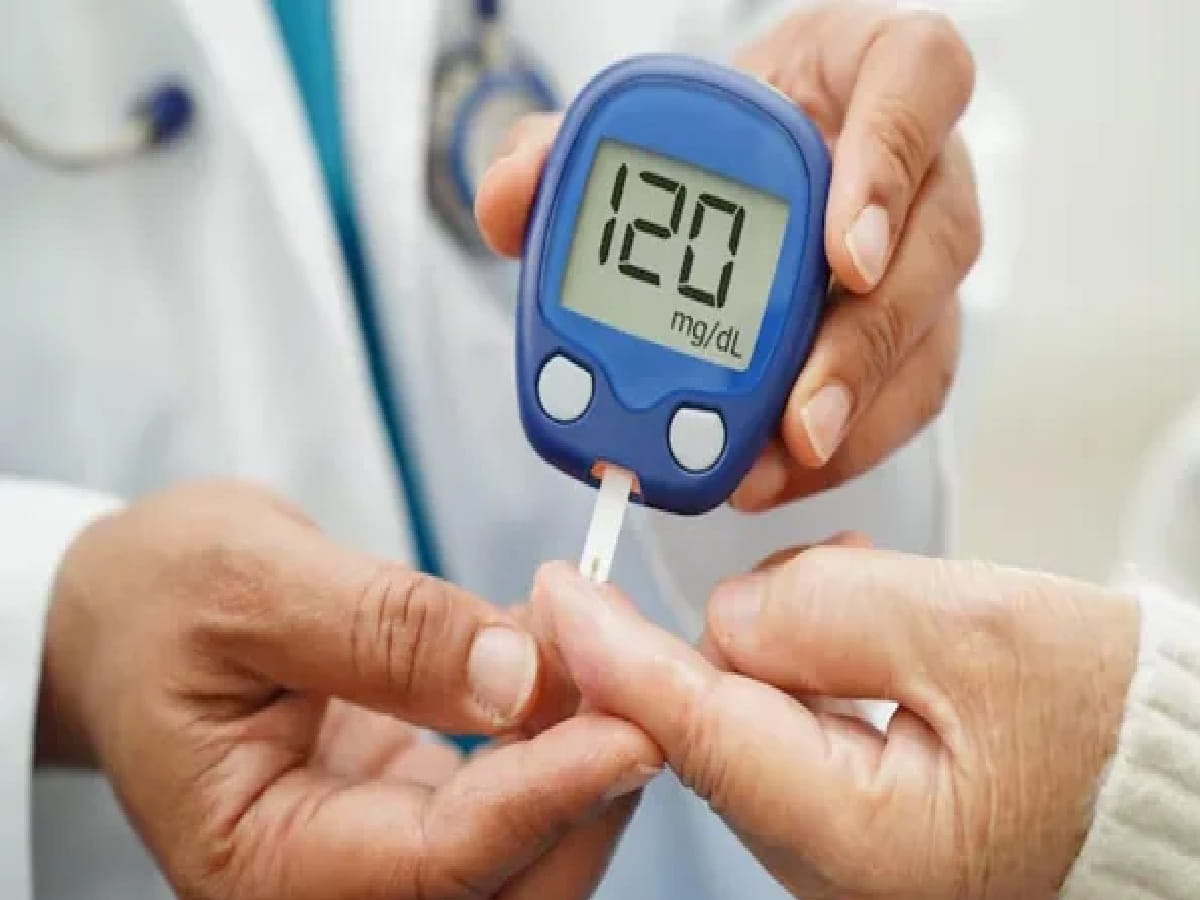
Amidst the hectic modern lifestyle and wrong eating habits, diabetes has become a very common health problem today. How the blood glucose level is managed in the body largely depends on our daily habits, eating habits and physical activities. Renowned endocrinologist of the country Dr. Ambrish Mitthal (Chairman, Endocrinology and Diabetes, Max Healthcare, Delhi) According to, merely reducing blood sugar is not enough, but it is most important to keep it under control within a certain and safe range.
Too much increase in blood sugar level i.e. ‘Hyperglycemia’ or too much decrease i.e. ‘Hypoglycemia’, both the conditions can prove to be very dangerous and fatal for diabetic patients. Usually when a person’s blood sugar level 70 mg/dL or below If it goes away, it is called a condition of hypoglycemia. There can be many main reasons behind this, such as taking more insulin dose than necessary, having too long a gap between two meals, or exercising harder than usual.
If a diabetic patient suddenly feels nervous, extreme restlessness, cold sweat or shivering in the body and on testing the blood sugar is less than 70 mg/dL, then one should be alerted immediately. To deal with such emergency situations, it is advised by doctors to adopt the ‘Rule of 15-15’:
-
Step One (15 grams of carbs): If the sugar level decreases, immediately consume 15 grams of fast digesting carbohydrates. For this you can take 100 to 150 ml of any regular sweet drink (juice or sugar syrup) or glucose tablet.
-
Step 2 (wait 15 minutes): After taking carbohydrates, sit quietly for exactly 15 minutes and check your blood sugar again.
-
step Three: If your sugar level is still less than 70 mg/dL after 15 minutes, take another dose of 15 grams of carbohydrate. Repeat this process until the sugar comes to normal level.
Apart from this, if you are going to exercise and your sugar level is low before that, then have something light like a small fruit or a cup of milk before the workout. Avoid eating immediately after exercise, especially in people who take insulin.
Many times, blood sugar suddenly increases due to not taking the prescribed dose of medicine or insulin on time, consuming excessive amounts of carbohydrates, being under extreme mental stress or not getting enough sleep. If your blood sugar level 250 mg/dL or more If you reach the hospital and also experience symptoms like excessive thirst, frequent urination, vomiting, difficulty in breathing or extreme weakness, then you should immediately contact your doctor without any delay. It is safe to change the dosage of your medicines or insulin only as per the doctor’s advice.
To avoid this condition, include foods with high amounts of fiber and adequate protein in your daily diet. Sugar levels can also be controlled by improving stress and bad lifestyle.
To effectively control diabetes, merely taking medicines is not enough, rather it requires a disciplined daily routine. Pay special attention to the points given below:
-
Caution in eating habits: The quantity, quality of food and the interval between two meals directly affect your blood glucose. Avoid refined carbohydrates and make whole grains, complex carbohydrates, fiber and healthy fats a part of your diet.
-
Correct use of medicines and insulin: Do not change the insulin dosage yourself without checking the blood sugar readings. It is very important to have the correct technique of administering insulin, its correct storage and changing the place of injection.
-
Managing Stress and Sleep: Due to excessive mental stress, hormones like cortisol and adrenalin increase in the body, which can suddenly increase blood sugar. Additionally, getting adequate and quality sleep of 7-8 hours daily is also an important part of diabetes management.
-
Regular blood sugar monitoring: Understand patterns throughout your day instead of just seeing a reading once or twice. See at what time sugar increases and what effect any activity has on it. Regular monitoring gives you the opportunity to take the right steps at the right time.