 look news india

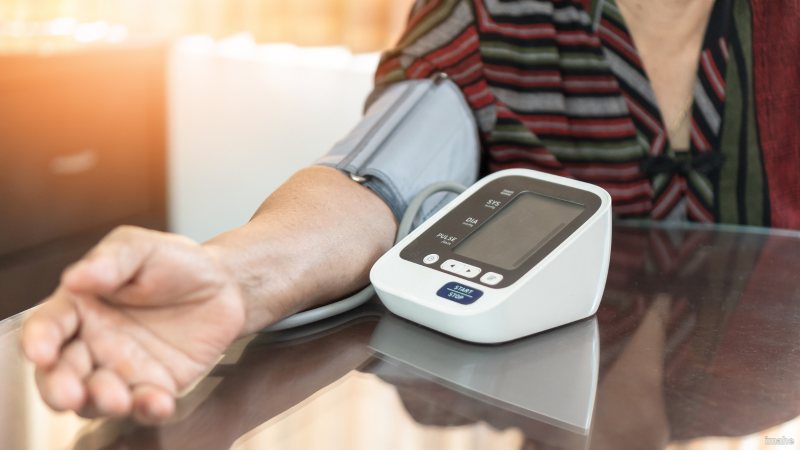
In this era of busy daily life, increasing work stress and uncontrolled eating habits, the problem of blood pressure or high blood pressure has become a very common and serious health concern. Whenever we go to a doctor to get our health checked or check our blood pressure at home, this question definitely comes to our mind whether only the left arm should always be used to measure BP or it can be measured with the right hand also. Apart from this, have you ever noticed that when the doctor or medical staff measures your blood pressure with both hands alternately, there is a slight difference in the readings of both the hands? It is a very big and common misconception among the general public that the heart is located on the left side of the body, hence only left hand BP is accurate, whereas medical science and cardiologists clearly say that this notion is completely wrong. Let us know in this detailed and special report on the basis of modern medical science why the blood pressure of both hands is different and what is the correct and scientific method of measuring BP.
Correct rule for measuring blood pressure: Is it really true that only the left hand is selected?
When a patient comes to a clinic or hospital to get his blood pressure checked for the first time, the doctor usually measures blood pressure in both arms to find out which arm has the higher reading. According to the standard protocol of medical science, it is mandatory to check the BP of both the arms in the initial examination, and the arm which has a higher blood pressure reading, the doctor chooses the same arm for regular examination in future. Therefore, assuming that BP should be measured only with the left hand is a technically incorrect assumption. Due to the physical structure of the body and the natural flow of blood arteries, a slight difference in the readings between the two hands is a completely natural and normal process, regarding which there is no need to be nervous or mentally stressed.
Why is there difference in BP of two hands? Know the main physical reasons behind this
The arteries that circulate blood within our body are spread in the form of a very complex and vast network, and the blood vessels coming out of the aorta reach both the hands through different paths. The artery supplying blood to the right arm arises directly from the main aorta at a slightly different angle, while the artery to the left arm is directly connected to the arch leading to the heart, causing slight differences in blood flow pressure and resistance in the arteries of the two arms. Apart from this, the development of the muscles of both our hands, the structure of the hands and the condition of the small blood vessels there are also different, which can slightly affect the readings seen on a digital or manual sphygmomanometer. If this difference is very slight, then it is considered a normal physiological variation of the body, but if this difference increases too much then it can be a sign of some internal health problem.
Difference between systolic and diastolic readings: What should be the safe margin between the two hands?
When doctors check your blood pressure, they note two types of figures—the upper pressure, called systolic BP, and the lower pressure, called diastolic BP. According to medical research, if the difference in systolic blood pressure between the two arms is less than 10 millimeters of mercury (10 mmHg), it is considered completely normal and safe. However, if your BP readings on both your arms consistently show a large difference of 10 or more times, it should not be taken lightly, as it could be a sign that blood is not flowing properly due to blockage or cholesterol accumulation in one of the main arteries of your body. In such a situation, you should contact a good cardiologist in time and get your vascular health thoroughly checked so that any major danger can be avoided in future.
If there is a big difference in BP of both the hands then there is a risk of which serious diseases?
Medical experts say that if there is an abnormally high difference in the readings of both the hands, then it can be a symptom of a serious disease like Subclavian Stenosis, in which the main artery supplying blood to the hand becomes narrow or blocked. Apart from this, Atherosclerosis i.e. the problem of plaque accumulation in the arteries, Peripheral Artery Disease and other disorders related to blood circulation can also cause it. Many times people measure BP in a hurry by tying the cuff incorrectly or without the correct position of the hand, which also leads to false differences in the readings. Therefore, it is always advised that while measuring blood pressure, the back of the patient’s chair should be straight, the feet should be placed flat on the ground and the arm being tested should be at the level of the heart. By following these seemingly small precautions, you can get absolutely accurate and correct blood pressure information, which is most important for the long life and healthy life of you and your family.