 look news india

Torrential rains and cyclonic winds in Uttar Pradesh during the last 48 to 60 hours have created a flood-like situation in the entire state. Out of 75 districts of the state, 56 districts have been severely affected by excessive rainfall. So far, a total of 56 people have died tragically due to rising rivers, heavy waterlogging, falling trees and collapse of mud houses, while 46 civilians are seriously injured. Apart from this, 107 cattle have died due to being buried under the debris and more than 1021 houses have completely or partially collapsed. The ripe paddy, oilseeds and pulses crops standing in the fields have been completely destroyed by drowning in water, due to which lakhs of farmers are in dire financial straits.
According to the data, from September 25 to September 27 morning, an average of 66.5 mm rainfall was recorded in the state, whereas the normal norm for this period is only 7.6 mm. This simply means that 775 percent more rainfall than normal has been recorded in the state. In many districts this figure has crossed historical levels. 7385 percent more rainfall than normal has been recorded in Farrukhabad in Central Uttar Pradesh, 5664 percent in suburban Kannauj, 4408 percent in Shahjahanpur, 4240 percent in Hamirpur of Bundelkhand and more than 4100 percent in Mahoba, which has shaken the entire administrative system.
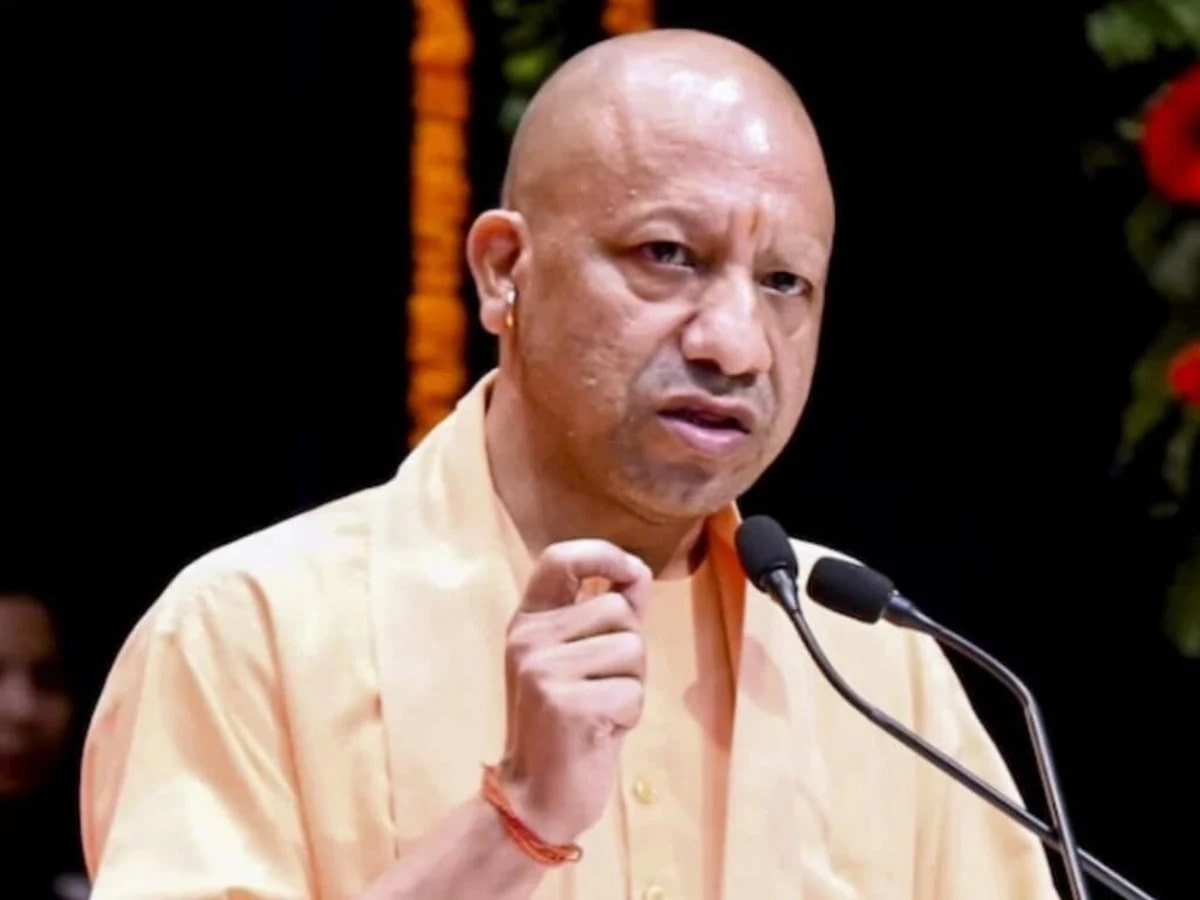
In view of the seriousness of the devastation across the state, on the instructions of Chief Minister Yogi Adityanath, Relief Commissioner Dr. Hrishikesh Bhaskar Yashod held an emergency meeting with the DM, ADM and disaster management teams of all the affected districts from the State Disaster Control Center in Lucknow on Sunday. The Relief Commissioner warned in a strict and blunt tone that in this hour of crisis, delay or negligence at any level in relief and rescue operations will not be tolerated at all. He directed that no officer should be limited to mere paper review, rather the District Magistrate himself should go to the villages, flood affected areas and submerged colonies with his team.
Clear orders have been given to the administrative heads to personally meet the affected families and resolve their problems on-the-spot. Distribution of relief material, pure drinking water, medicines and tarpaulin should be ensured round the clock without any interruption. The government has clarified that in cases of loss of life, injury and loss of animals, the financial assistance amount prescribed by the government should reach directly into the bank accounts of the beneficiaries within the time limit.
According to 60 hours of official data released by the Relief Commissioner’s Office, the most horrific scene of deaths was seen in the districts of Terai and Awadh. In cases of loss of life, maximum number of 7 deaths have been recorded in Sitapur district, while 5 people have lost their lives in Lakhimpur Kheri, 5 in Bahraich and 5 in Balrampur. Along with this, 4 civilians each have died in Ayodhya and Gorakhpur. Talking about the injured, 7 in Hardoi, 5 each in Mainpuri, Shravasti and Barabanki and 3 each in Sitapur and Lakhimpur Kheri are fighting for their lives in civil hospitals.
This disaster has wreaked havoc on cattle herders and farmers too. Hardoi district led in total 107 cattle loss cases where 28 cattle were killed. Apart from this, 16 animals died in Sitapur, 14 in Kannauj, 7 in Bahraich, 7 in Kanpur Dehat and 6 in Unnao. If we look at the situation of houses being turned into debris, out of total 1021 damaged houses, 272 in Hardoi alone, 108 in Sitapur, 75 in Chandauli, 60 in Auraiya, 54 in Gonda, 51 in Hamirpur, 47 in Shahjahanpur and 44 in Bahraich have been completely demolished.
Farmers’ backs have been completely broken due to excessive rainfall. Paddy ears ready for harvesting have started rotting due to 3 to 4 feet of water in the fields. The Relief Commissioner has jointly instructed the Agriculture Department and the Revenue Department to form teams of accountants and revenue inspectors and send them to every field and immediately complete 100 percent survey of crop damage. It is the clear intention of the government that the agricultural compensation given under the rules should be distributed on top priority so that the farmers can be saved from debt and starvation.
For those poor and destitute families who have lost their homes, they have been asked to immediately make arrangements for food and safe alternative accommodation in community halls, panchayat houses or relief camps. The Relief Commissioner also directed that the paper process of approving pucca houses in priority order under Pradhan Mantri Awas Yojana (Rural/Urban) or Chief Minister Awas Yojana should be started immediately for those families whose kutcha houses have been completely razed to the ground. Along with this, instructions have also been given to local MPs, MLAs and public representatives to regularly inform them about the progress of relief works so that coordination remains better.
NDRF, SDRF and local police-divers teams are continuously carrying out rescue operations in flood and submerged areas. Pregnant women, children and sick elderly people are being transported from villages that have become islands to safe relief centers through boats and motorboats. Keeping the health department on alert, instructions have been given to distribute chlorine tablets and ORS packets to prevent waterborne diseases (diarrhea, cholera, skin infections).
The Relief Commissioner’s Office has issued safety guidelines for the common citizens and appealed to them to completely avoid going near waterlogged and swollen rivers and streams. Never take the risk of driving on fast flowing rivers and maintain a safe distance from dilapidated walls and hanging electrical wires. For any kind of emergency assistance, requirement of boat or relief material, it has been advised to immediately contact the State Disaster Management’s toll-free helpline number 1070.