 look news india

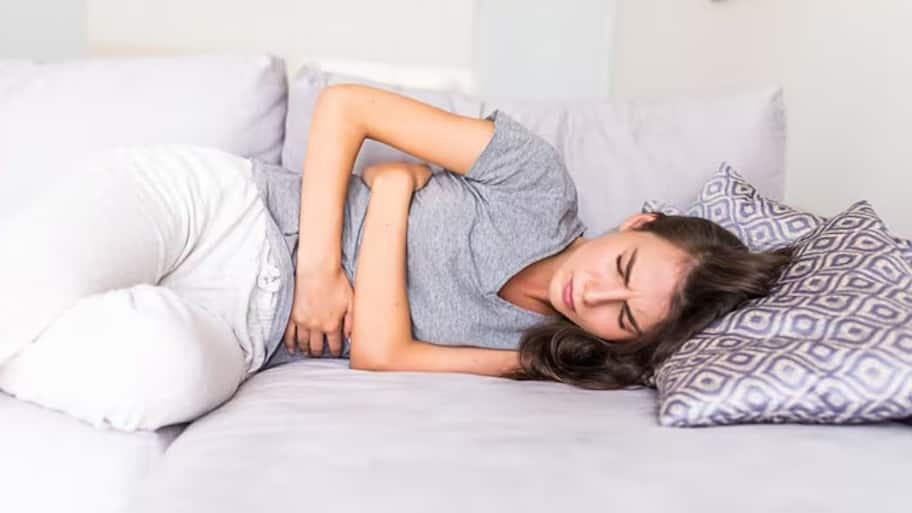
New Delhi. Many women feel mild cramps or one-sided stabbing pain in the lower abdomen about 14 days before the start of menstruation, i.e. right in the middle of the menstrual cycle. In medical language this condition is ‘Mittelschmerz’ Which is a German word meaning “middle pain”. About 20 to 40 percent of women experience this type of pain in their reproductive years. In most cases this is a normal biological process indicating that the egg is successfully released from the ovary. However, if the pain is unbearable, lasts for several days, or is accompanied by other unusual symptoms, it may be a sign of an underlying gynecological issue.
Ovulation is the process when the ovary releases a mature egg into the fallopian tube. There are two main biological reasons for pain during this:
-
Stretching of the follicle: Just before the egg is released, the fluid-filled follicle on the surface of the ovary enlarges, causing strain on the ovarian wall and mild pain.
-
Rupture of egg and leakage of fluid: When the follicle bursts and releases the egg, along with the egg, a little fluid or light blood also leaks into the peritoneum. This liquid causes mild irritation and spasm in the pelvic lining, which is absorbed by the body within a few hours.
If pain is part of normal ovulation, symptoms usually include:
-
Time: This occurs between day 12 and day 16 of a normal 28-day cycle (about two weeks before the start of menstruation).
-
One sided pain: It is felt only on one side (right or left) in the lower abdomen or pelvis. Since both ovaries take turns releasing eggs every month, this pain can change sides every month.
-
Duration: Typical mittelschmerz lasts from a few minutes to a few hours. In very rare cases it may remain light for 24 to 48 hours.
-
Intensity: This pain is mild cramping or needle pricking, which can be controlled with a heating pad or simple rest. Sometimes there may also be light transparent vaginal discharge (egg-white discharge) along with it.
If the pain at the time of ovulation crosses normal limits, it should not be considered normal and ignored. The following conditions may be of concern:
-
Unbearable and severe pain: Pain that prevents you from doing everyday tasks, getting up, sitting or walking.
-
Persisting for more than 48 hours: If the pain persists for more than two days.
-
Pain during intercourse (Dyspareunia): Severe pelvic pain during sexual intercourse.
-
Sharp pricking during urination or defecation: Feeling of excessive pressure on the intestines or bladder.
-
Other serious symptoms: High fever, chills, vomiting or nausea, dizziness, fainting or heavy vaginal bleeding.
If there is frequent severe pain in the middle of the cycle, then the following reasons may be behind it:
-
Endometriosis: When tissue that forms inside the uterus begins to grow outside the ovaries, intestines, or fallopian tubes. This condition causes unbearable pain at the time of both ovulation and periods.
-
Ovarian Cyst: Presence of lump or cyst in the ovary. Sometimes rupture or twisting of the cyst (Ovarian Torsion) suddenly causes intense and unbearable pain, which is a medical emergency.
-
Pelvic Inflammatory Disease (PID): Severe swelling and pain due to bacterial infection in the reproductive organs.
-
Adenomyosis or Fibroids: Non-cancerous growths (lumps) in the uterine muscles.
-
Appendicitis or intestinal problems: Sometimes severe pain in the right side is not a sign of ovulation, but of inflammation of the appendix.
If the doctor’s examination has not confirmed any serious disease and the pain is normal Mittelschmerg, relief can be found with the following measures:
-
Heat Therapy: Using a hot water bag or heating pad on the lower abdomen reduces muscle tension.
-
Hydration and Relaxation: Drink adequate amounts of water and take rest instead of heavy physical exercise during times of pain.
-
OTC pain relievers: Mild anti-inflammatory medicines like paracetamol or ibuprofen can be taken as per doctor’s advice.
-
Oral contraceptive pills (if recommended): For women who have a lot of trouble every month, gynecologists often advise them to take contraceptive pills for some time, which stops ovulation and provides complete relief from pain.
It is important to pay attention to the changes and signals occurring in the body during the menstrual cycle. If ovulation pain is disrupting your lifestyle, then do not hesitate to get an ultrasound or pelvic examination from your gynecologist.