 look news india

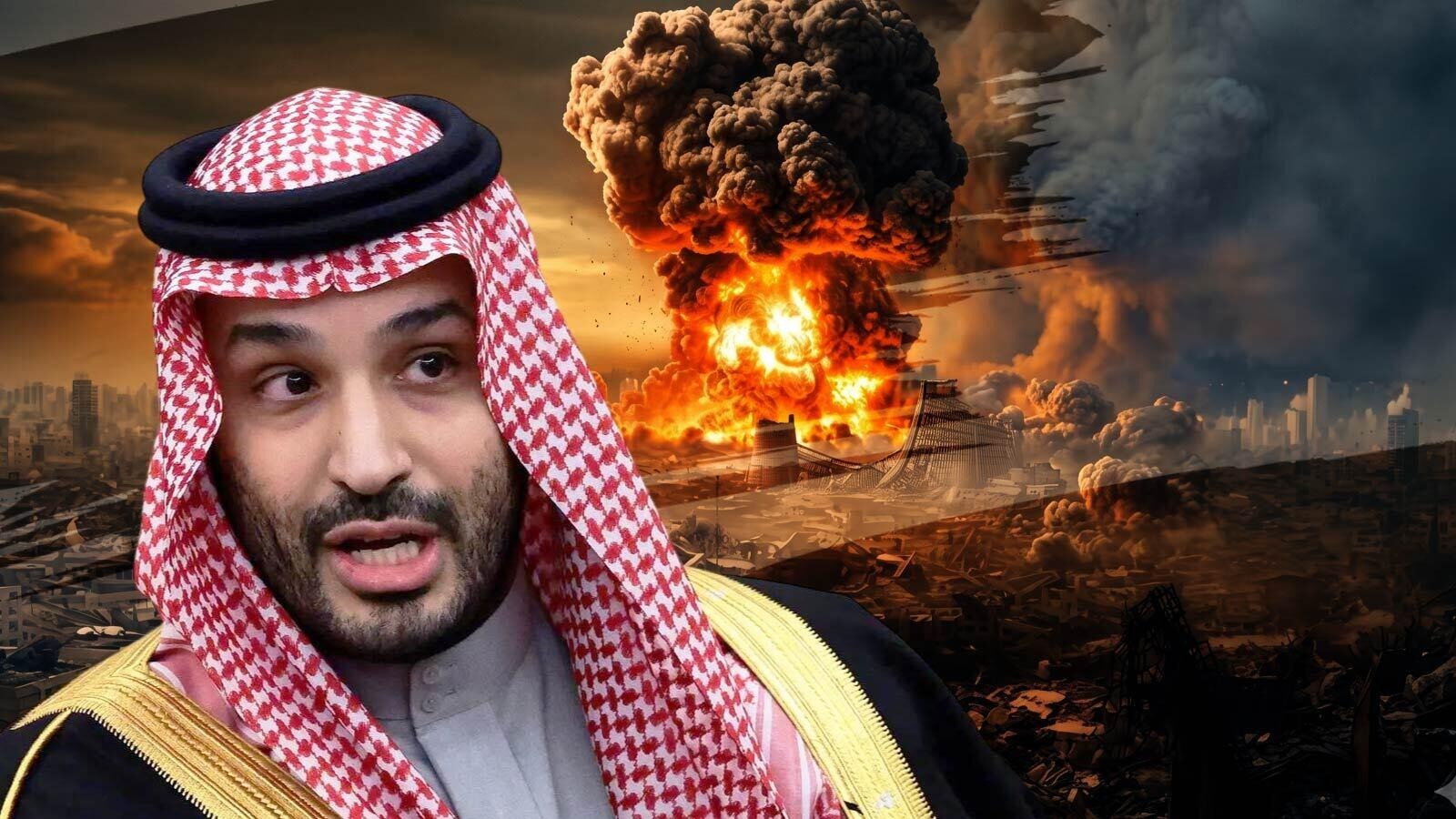
There was an uproar in international politics and the diplomatic corridors of the Middle East when a highly confidential and sensitive report of the American intelligence agency CIA was submitted to the Capitol Hill i.e. the US Parliament. This secret report has shockingly revealed that Saudi Arabia is seriously considering the option of developing nuclear weapons for the future under the guise of its peaceful civil nuclear energy program. This intelligence assessment, which came to light after the recently concluded high-level civil nuclear cooperation agreement between US President Donald Trump administration and Riyadh, has created a stir in the political circles of Washington. After this revelation, a heated debate has erupted among American lawmakers and policy makers, due to which President Trump’s ambitious diplomatic and trade deal is in serious trouble and the demand for its formal cancellation is gaining momentum in the Parliament.
According to media reports and intelligence documents, under this bilateral civil nuclear agreement signed between US President Donald Trump and Saudi officials, an outline has been prepared by the US to supply nuclear technology, sensitive equipment and fuel to Riyadh. However, the confidential intelligence assessment that was sent along with the legal documents of this deal to the members of the US Congress for review, clearly warns that Saudi Arabia can use this advanced technology to acquire the capability of uranium enrichment in its country. In this CIA report, it is feared that once the capability of uranium enrichment is achieved, it will be technically easier for Riyadh to move towards making nuclear weapons. This assessment of the US intelligence agency has come at a time when many senior and influential Democrat lawmakers of the country have termed this agreement against global non-proliferation standards and extremely dangerous for the peace of the Middle East. The lawmakers clearly argue that such agreements could trigger a new and destructive nuclear arms race across the region, endangering global stability.
Growing murmur in US Parliament and tough stance of Democratic MPs
After this secret report of CIA became public and reached Capitol Hill, a huge political conflict has started in the US Parliament. Several prominent US lawmakers, including Senators Ed Markey and Jeff Merkley, have expressed their deep concern by writing a strong letter to the State Department and related committees. These MPs allege that the Trump administration, ignoring traditional security standards and bowing to diplomatic pressure from Saudi Arabia, has prepared an agreement with very loose provisions, which could open the way for Riyadh to have secret nuclear weapons. According to American law, international agreements of this type have to go through a certain parliamentary review period, and experts believe that during this 90-day review, opposition lawmakers are fully preparing to bring a joint resolution to stop this nuclear deal. If this proposal is passed in Parliament, it will be extremely difficult legally and politically for the Trump administration to take this deal forward.
Saudi Arabia’s stance and potential impact on international security
On the other hand, amid all these serious controversies and ongoing criticism in the American media, Saudi Arabia has described its nuclear program as completely peaceful, transparent and within the ambit of international rules. The official statement from the Saudi Energy Ministry and other high-level officials has come that the country’s civil nuclear program is only to meet future domestic energy needs, increase power production and diversify the country’s economy by freeing it from oil dependence. Riyadh has always claimed that it respects international treaties preventing the proliferation of nuclear weapons. Along with this, the US State Department has also issued a statement defending the agreement that Washington does not support Saudi Arabia’s nuclear weapons program in any form and that strict security provisions have been kept in the agreement. However, many former inspectors of the International Atomic Energy Agency (IAEA) and global security experts believe that moving forward on such agreements without strict and additional inspection protocols could prove to be a big risk in the geopolitics of the Middle East, which could further increase diplomatic tensions in the future.