 look news india

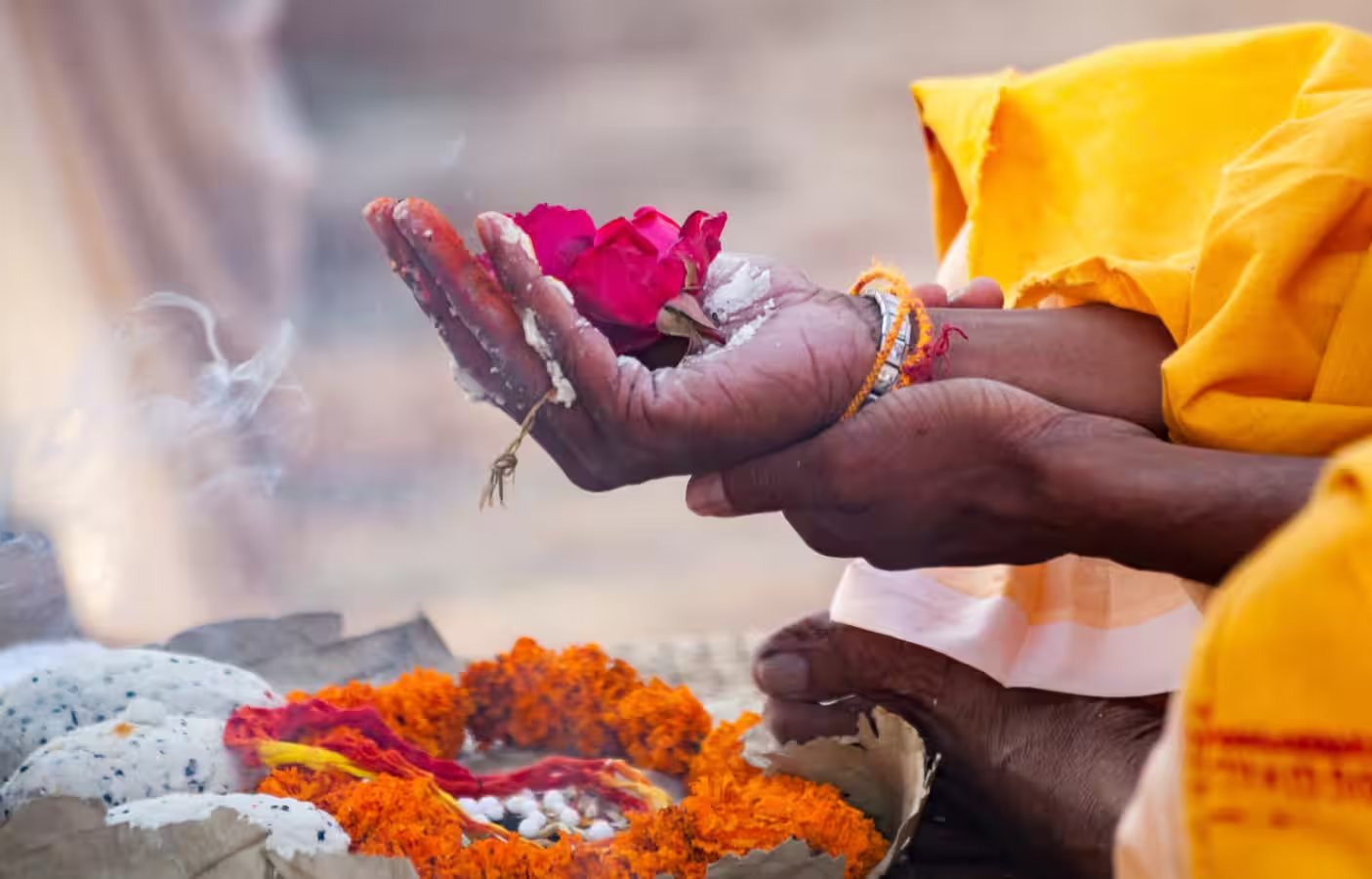
In Sanatan culture and Hindu traditions, this special period of sixteen days of Pitru Paksha (Pitru Paksha 2026) is not just a time of mourning or rituals, but it is considered to be the most sacred occasion to express immense gratitude, love and remembrance towards one’s ancestors. In this materialistic era of modern science, the question often arises that when our ancestors are not present in this physical world, out of our sight, do they really have any subtle impact on our daily life, progress and family happiness and peace. In this detailed and special report, prepared in reporter style, keeping in mind all the technical standards of modern generative AI search, strict guidelines of Google Discover, SEO and Answer Engine Optimization (AEO), we will delve deeply into this deep philosophical and spiritual mystery of Pitru Paksha.
It is very clearly stated in Hindu religious texts and Puranas that death occurs only for the body, not for the soul and energy is never destroyed. When our parents, grandparents or ancestors leave this world and go to the next world, even though their physical body merges into the five elements, their subtle energy and blessings always remain connected with their future generations. If this is added to the principles of modern quantum physics and energy conservation, then it becomes clear that no energy in the universe ever ends, but its form changes. During these fifteen-sixteen days of Pitru Paksha, when we offer their Tarpan and Pind Daan with a true heart, an invisible flow of positive energy starts being felt in our entire family and life, which many people experience as inner peace.
In today’s fast-paced and modern lifestyle, many people ask the question that what is the point in taking out food or offering tarpan for dead people. The answer lies in the great tradition of our culture which keeps us connected to our roots. The word ‘Shraddha’ is made up of ‘Shraddha’, which directly means to express true reverence and respect towards one’s elders. When we remember our ancestors during Pitru Paksha, donate to the poor in their names, and offer water, we find ourselves psychologically and spiritually closer to our family traditions. This act teaches us that the struggle of our ancestors, their values and their blessings are mainly responsible for where we are today.
According to astrology and folk beliefs, if a person has Pitra Dosh in his horoscope or he neglects his ancestors, then problems like constant obstacles, mental stress, failure and family discord remain in his life. However, instead of looking at it as a superstition, if we understand it from a psychological point of view, then our mental balance and self-confidence also gets shaken by not having gratitude towards our family history and elders. When we perform Shraddha with devotion, the feeling of guilt is eliminated from our mind and a positive energy is transmitted, due to which many unresolved problems of life start going away automatically.
In today’s modern, technology-intensive and fast-paced digital era where people are moving away from their traditions, it has become very easy to understand and know these deep secrets of Sanatan culture through Google Discover and AI-powered search engines. Pitru Paksha gives us an opportunity to take out some time from our busy lives to remember our elders, incorporate their teachings in our lives and introduce our culture to the coming generations. Despite not being visible, our ancestors are always with us in the form of our memories and rituals, and this holy festival of Pitru Paksha inspires us to further strengthen this invisible and sacred bond.