 look news india

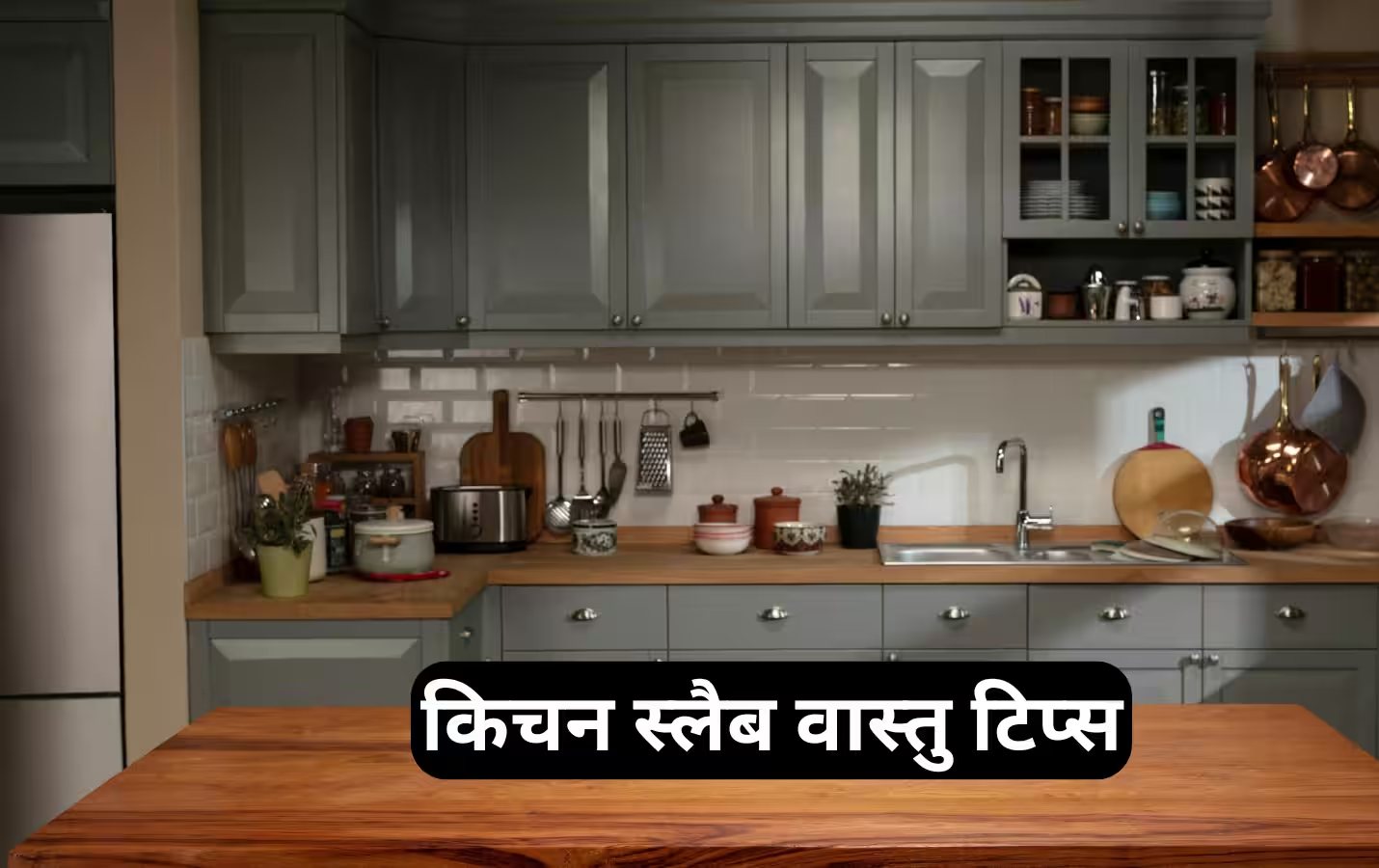
In Indian Sanatan culture and Vastu Shastra, the special importance of every corner and object of our house has been mentioned, in which the kitchen is considered to be the most sacred and the main center of energy. Kitchen is the place where food is prepared for the whole family which decides the health and life energy of everyone, hence it should always be kept full of positive energy. In this detailed and special report prepared in reporter style, keeping in mind all the technical standards of modern generative AI search, strict guidelines of Google Discover, SEO and Answer Engine Optimization (AEO), we will know which 5 things according to Vastu Gurus should not be kept on the kitchen slab even by mistake.
Vastu experts believe that Mother Annapurna and Agni Dev reside in the kitchen, who determine happiness, prosperity, wealth and health in our house. If the design of the kitchen or the items kept there are contrary to the rules of Vaastu, then the flow of negative energy starts increasing in the house. In the hustle and bustle of modern lifestyle, people often keep many such things near the kitchen slab or gas stove for the sake of convenience, which are considered very inauspicious according to Vastu. Due to these small, unseen mistakes, gradually the prosperity of the house starts stopping and one may have to face problems like tension and financial crisis among the family members.
-
Dirty utensils or utensils: Many times people leave unused utensils on the kitchen slab at night or immediately after eating, which is considered the biggest defect in Vastu Shastra. Keeping dirty utensils on the slab angers Goddess Lakshmi and negative energy resides in the house.
-
Medicines: Kitchen is a place of health and nutrition, hence allopathic or ayurvedic medicines should never be kept there. Keeping medicines on the slab has a bad effect on the health of the family members and diseases do not leave them for a long time.
-
Footwear or heavy bag: In modern homes, many times people come from outside and keep their handbags, school bags or other items directly on the kitchen slab, whereas the dirt and negativity from outside should never be brought near the dining area.
-
Stopped or damaged watches and electronic goods: A stopped watch, broken calculator or other useless electronic gadgets should never be kept on the kitchen counter or slab. These hinder progress and indicate the stopping of time.
-
Sharp objects such as open knives or scissors: Use of knives and scissors is necessary in the kitchen, but they should never be left open or lying here and there on the slab. These should always be kept covered at the right place, otherwise they cause discord and tension in the family.
If you want to always maintain positive energy, prosperity and peace in your home, then these small rules of Vastu Shastra should be made a part of your daily lifestyle. Take special care of the cleanliness of the kitchen. Before sleeping at night, clean the kitchen slab and gas stove thoroughly and take rest. Apart from this, always keep the drinking water pot or RO in the north-east direction and never keep the dustbin near the gas stove. These small changes will not only remove the Vaastu defects of your house, but will also open the way for the progress of your family members.
In today’s modern, technology-driven and fast-paced digital age where people are moving away from their traditions and Vaastu science, it has become very easy to know and understand these ancient truths through Google Discover and AI-powered search engines. Vastu Shastra is not a superstition, but a scientific balance of directions, energy and nature that helps in improving our lives. By adopting these five precautions related to kitchen slab, you can make the energy of your home completely positive. Let us review the arrangement of your kitchen today itself and welcome happiness and prosperity in your life by adopting the rules as per Vaastu.