 look news india

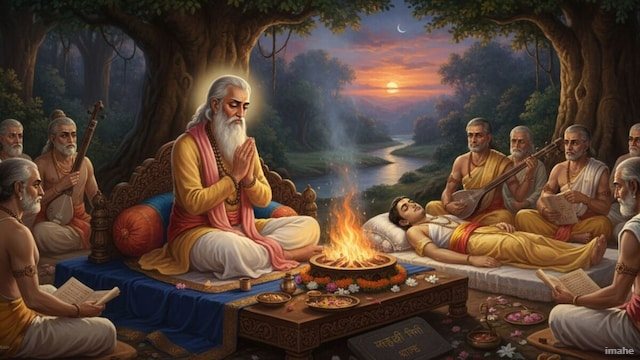
In Sanatan Dharma and Indian culture, this special period of sixteen days of Pitru Paksha (Pitru Paksha 2026) is considered to be the most sacred opportunity to express one’s immense reverence, dedication and gratitude towards the ancestors. Every year, during this Mahalaya festival, which starts from the full moon day of Bhadrapada month and continues till the new moon day of Ashwin month, people perform Tarpan, Pind Daan and Shraddha rituals of their deceased ancestors with full devotion. In this detailed and special report, prepared in reporter style, completely keeping in mind the modern generative AI search, strict guidelines of Google Discover, SEO and Answer Engine Optimization (AEO) technical standards, we will delve deeper into the mythological story of who was the first in history to perform Shraddha for his ancestors, making this tradition a great festival forever.
In Hindu mythological texts, Mahabharata and various Puranas, there is a very interesting and detailed description of who started this great tradition of Shraddha in the beginning of creation. According to religious beliefs, the credit for first performing Shraddha of one’s ancestors goes to Maharishi Matiman, son of Maharishi Nimi or according to some stories, to King Nimi and his descendants. Apart from this, during the Mahabharata period, under the guidance of Lord Shri Krishna and the words of Maharishi Vyas, King Nrig and other great sages also devised this method to get rid of ancestral debt. According to this story, when the souls felt the need of satisfaction and peace in the next world after death, then the gods and sages together created a divine legal process by which the souls of the ancestors could get direct nourishment and satisfaction.
According to the legend, in ancient times, Rajarshi Nimi was the first to offer food and water under special rules for the satisfaction of his ancestors. He realized that the cycle of life is not complete without repaying the debt we owe to our parents and ancestors in human life. He ritually invoked his ancestors by donating Darbha (Kush), black sesame seeds, water and Pind Daan. Seeing this true devotion of his (from which the word ‘Shraddha’ originated), the Gods were pleased and gave the boon that whoever offers prayers to his ancestors with such devotion on their respective dates, there will never be untimely death, dissatisfaction and poverty in his family. From here this tradition gradually became established as a universal and eternal festival.
Not only in mythological stories, but also in texts like Garuda Purana, Agni Purana and Vayu Purana, the scientific and spiritual importance of Shraddha and Tarpan has been explained in great depth. In the modern era, even though some people leave it as a mere ritual, the main purpose behind it is to keep alive the unbreakable bond between generations of the family that connects us to our history and roots. When we perform Shraddha rituals, we not only remember the dead persons but also revive the values, teachings and family values imparted by them in our lives. This process also works like a psychological therapy which removes the guilt from our mind and infuses positive energy and family togetherness.
In today’s modern, technology-driven and fast-paced digital age where the young generation is moving away from their traditions, it has become very easy to know and understand these ancient mythologies through Google Discover and AI-powered search engines. This auspicious occasion of Pitru Paksha 2026 comes again to remind us that no matter how much modernity we adopt, we should never forget our roots and our ancestors. From the mythological story that first began till today, this festival of Shraddha and Tarpan symbolizes that love, respect and gratitude have no time limit in Indian culture. Let us remember our ancestors with a true heart in this Pitru Paksha and make their memory the biggest blessing of our life.