 look news india

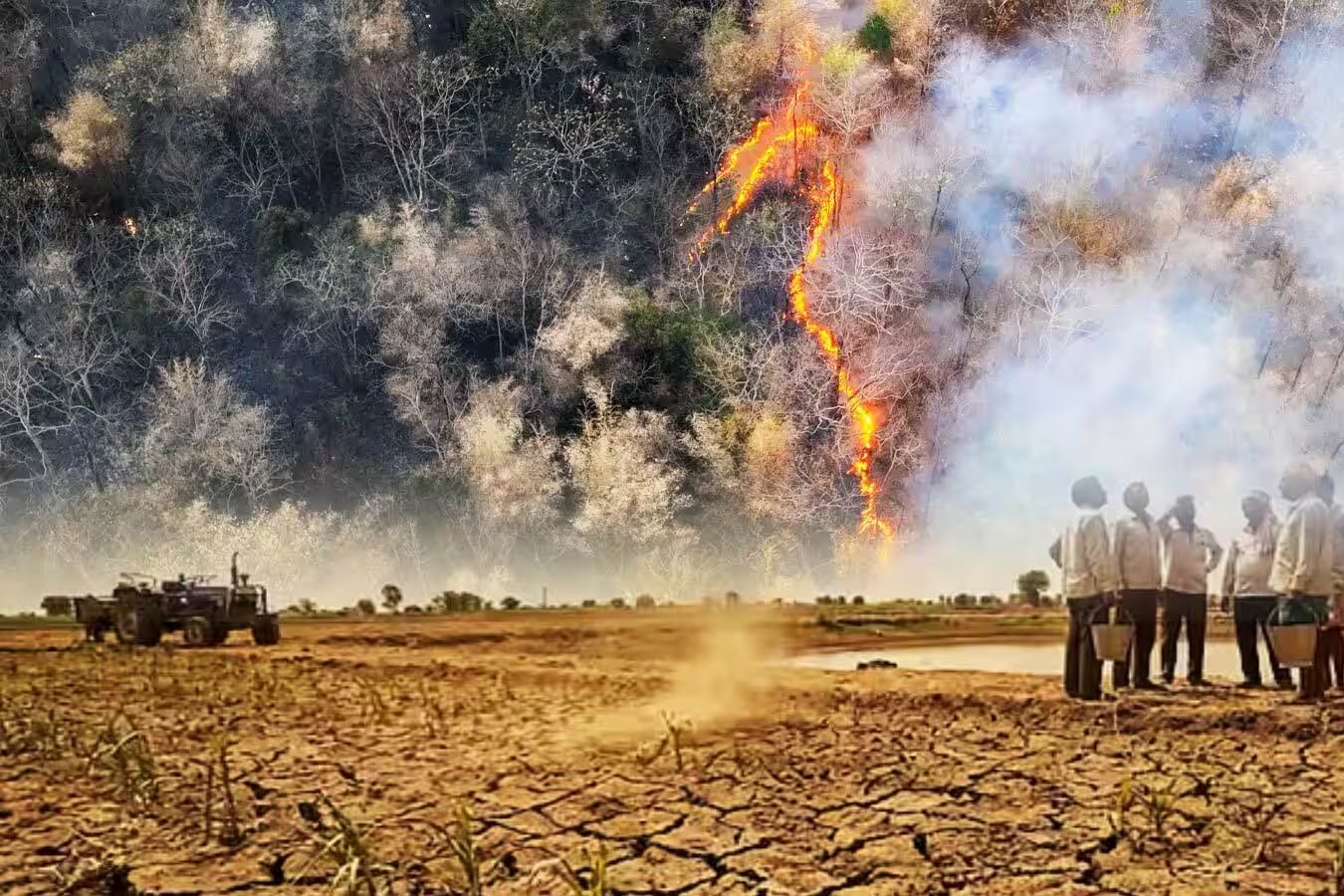
As the last months of the year are approaching and the weather is becoming slightly cooler, a very scary and worrying picture is beginning to emerge regarding the environment and public health of the country. Just before the official arrival of winter, such an ‘aggressive threat’ has knocked in many major parts of the country, which has given sleepless nights to scientists, environmentalists and common citizens. Due to this dangerous environmental crisis, the air quality is going to deteriorate so much in the coming few weeks, especially around the holy festival of Diwali, that it may become difficult for people to even breathe. Weather and pollution experts believe that if strict steps are not taken at the administrative level in time, then this festive season could turn into a major health emergency instead of happiness. Let us do a complete and in-depth review of this serious threat, its causes and the deadly impact it will have on the country’s air in the coming days.
Why does this aggressive threat start looming with the onset of winter?
Every year, as soon as the monsoon departs and the weather patterns start changing in North India, the situation on the pollution front starts getting out of control. It cannot be called just ordinary pollution, but it is an ‘aggressive threat’ which is a deadly mixture of fine particles in the air (PM 2.5 and PM 10), toxic gases, stubble smoke and seasonal changes. Due to the heavy nature of cold winds, these poisonous elements present near the ground are unable to rise up and get trapped in the atmosphere in the form of a thick sheet. This year too, the Meteorological Department and air quality monitoring agencies have indicated that due to slow wind speed, this polluting layer is taking root very fast. This is the reason why even before the onset of winter, the effect of haze and smog is clearly being felt in the sky.
The most dangerous attack of pollution on Diwali and festive season
In India, the festival of Diwali is a symbol of lights, enthusiasm and fireworks, but in the last few years this festival has become a big challenge in terms of environment and health. Due to the aggressive threat that has arisen with the onset of winter this year, it is feared that the situation around Diwali could be very frightening. Smoke from firecrackers burnt during festivals, vehicular emissions and already polluted air combine to create a toxic cocktail that irritates the lungs from within. A huge increase in the number of respiratory patients, asthma sufferers and elderly people has started being recorded in hospitals. Doctors say that if people do not take precautions now and the administration does not impose strict restrictions, a suffocating situation may arise in many areas on Diwali night.
Administrative preparations and steps being taken to deal with pollution
Sensing the seriousness of this impending threat, environmental agencies of the Central and State Governments have started their preparations under the Graded Response Action Plan (GRAP). Restrictions on construction work, dust control measures, crackdown on old vehicles and surveillance have been increased to prevent incidents of stubble burning. However, the gap between paper policies and ground reality often renders these measures ineffective. Unless farmers have access to practical and affordable options for stubble management and the general public is fully aware of it, it seems impossible to completely deal with this invasive menace. Local administrations and municipal corporations need to work on a war footing to prevent air quality from falling beyond a certain limit in the coming weeks.
As common citizens, our safety and health are priority.
In this serious situation, relying only on governments and institutions will not work, but as conscious citizens, we will also have to come forward to protect the health of ourselves and our families. Be careful when going out for a morning walk, use an N-95 mask on days with high pollution, and plant air purifying plants around your home. Protecting children and the elderly from direct exposure to polluted air should be the biggest priority at this time. If we all together understand the seriousness of this threat and show some restraint during festivals, then the impact of this toxic crisis can be reduced to a great extent. This coming week is a big test for both our environment and health, in which the collective responsibility of all of us will become our biggest shield.