 look news india

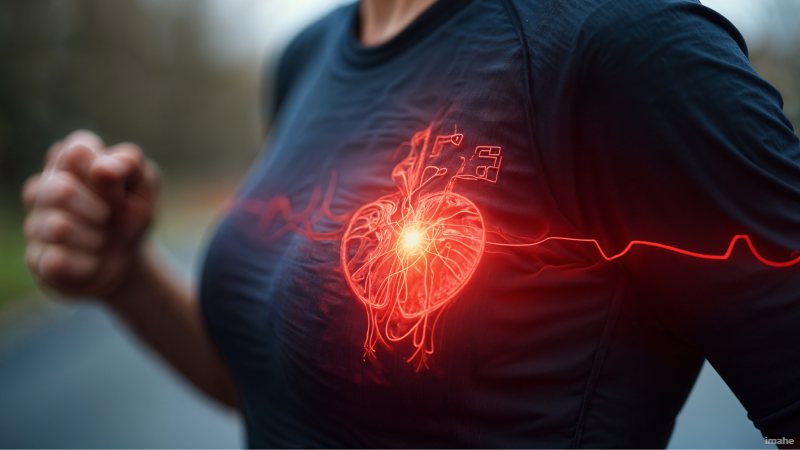
Due to today’s hectic life, unhealthy eating habits, increasing mental stress and deteriorating lifestyle, the cases of heart diseases are continuously increasing to a frightening level in the country and the world. There was a time when heart attacks or serious heart related problems were seen only in the elderly or people in the age group of 50-60, but this trend has completely changed in the last few years. Today, cases of sudden heart attack (Heart Attack after 30) and death due to cardiac arrest at an early age are becoming common among the youth after crossing the age of 30 years. This worrying situation has put the health experts and cardiologists of the country into deep thinking. Through this article, we will discuss in detail why the heart of the youth is becoming weak after the age of 30 and which Cardio Habits to include in your daily routine to avoid this dangerous danger can prove to be most important and life saving.
Internal changes in the body and increasing pressure on the heart after the age of 30.
When a person is in his early youth i.e. 20 to 30 years of age, his metabolism is very fast and the muscles and arteries of the body are flexible. But as soon as a person crosses the threshold of 30 years, natural changes start taking place in the internal functioning of the body. Due to less physical activity, continuous desk job, sitting at one place for hours and wrong eating habits, cholesterol and fat start accumulating in the blood vessels. Moreover, excessive mental stress of today’s corporate culture, lack of sleep and bad habits like smoking or alcohol put extra pressure on the heart veins, leading to high blood pressure and blockages at an early age.
Why is cardio exercise the biggest boon for heart health?
In this phase of life, if you want to keep your heart always healthy, strong and fit, then making ‘Cardiovascular Exercises’ an important part of your daily routine is considered to be the most effective solution. Cardio is directly related to increasing your heart rate and lung function. When you run, walk, cycle or swim regularly every day, your heart pumps faster. Due to this, the circulation of oxygenated blood to every corner of the body improves, the flexibility of the blood arteries remains and the bad cholesterol (LDL) accumulated in the veins gradually starts reducing. Doctors believe that people who do at least 150 minutes of moderate intensity cardio a week have minimal risk of heart diseases.
Which cardio habits should you include in your daily routine?
Instead of going to the gym and lifting heavy weights or sweating for hours, it is more important that you adopt small and sustainable cardio habits in your daily routine that you can easily do every day. Brisk walking, jogging, or skipping for at least 30 to 40 minutes after waking up in the morning works as a tonic for your heart. If you don’t have time to go to the gym, taking the stairs instead of the elevator, cycling in a park near home or doing aerobics are also great options. The most important thing is to make these habits a permanent part of your life, not just for a few days, so that your heart remains strong as you age.
Improvement in eating habits, stress management and timely medical checkup is essential.
Just doing cardio exercise does not make the heart completely safe, for this you will have to pay equal attention to your diet and lifestyle. Immediately reduce the intake of excessive trans fat, refined oil, refined flour, cold drinks and excess salt and sugar from your daily diet. Instead, include green leafy vegetables, fresh fruits, oats, walnuts, almonds and foods rich in omega-3 fatty acids in your plate. Apart from this, keep mental stress under control through yoga and meditation. After the age of 30, get your full body health checkup done at least once a year, which includes regular checks of lipid profile, blood sugar and blood pressure, so that any hidden danger can be identified in time.