 look news india

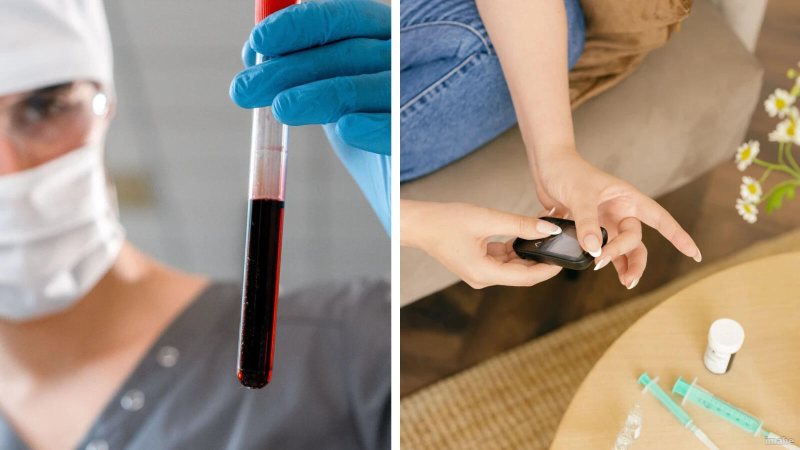
The human body and its structure are full of mysteries, and medical science makes shocking revelations every day that affect our everyday lives. We all know about our blood group, which is mainly used when blood is required during injury or surgery. But do you know that your blood group not only decides which donor’s blood you can get a transfusion from, but can also indicate which serious diseases you may be vulnerable to in the future? Many recent major medical and epidemiological researches have revealed that there is a deep and interesting relationship between blood group and Type-2 Diabetes. People are often curious to know which blood group among A, B, AB and O is most at risk of getting sugar or diabetes. Let’s take a deeper look, based on medical research, into how this blood type affects our metabolic health.
Various epidemiological studies conducted in the field of medical science show that the antigens and proteins present on the surface of our red blood cells are not limited to blood transfusion only, but they also affect our body’s immunity, inflammation and cardiovascular system. Scientists believe that people with different blood groups may have subtle differences in the process of insulin resistance and glucose metabolism. When the effect of insulin in the body does not work properly, the sugar level in the blood starts increasing, which ultimately takes the form of type-2 diabetes. This is why when researchers analyzed data from thousands of patients, they found that certain blood groups had higher rates of diabetes than others.
According to data from various global health researches and large studies conducted in France and other European countries, people with blood group ‘A’ and blood group ‘B’ have been found to have a slightly higher risk of developing type-2 diabetes compared to other blood groups. In particular, people with blood group A or B have a higher incidence of blood sugar imbalance. In comparison, people with blood group ‘O’ (O Positive or Negative) have found a relief news that they have relatively less risk of getting diabetes. However, this does not mean that people with O blood group are completely safe and do not need to pay attention to their diet, but it only means that based on statistical data, people with A and B groups need to be more cautious.
When it comes to AB blood group, this group is a unique combination in which both A and B antigens are found. Research suggests that people with AB blood group may have a slightly higher risk of heart disease and vascular problems, which is directly or indirectly linked to metabolic syndrome and diabetes. Although there are not as many direct and serious warnings regarding AB group in the case of diabetes as are given for A and B groups, yet due to modern lifestyle and stress, people of this group should also keep getting their pancreas and insulin levels checked regularly so that any possible danger can be prevented in time.
The most important question is whether one can be predicted to be sick or healthy only on the basis of blood group? The answer is clearly ‘no’. Medical experts believe that blood group is only a genetic risk factor, which determines a very small part of the total risk. Your lifestyle, eating habits, physical exertion, stress levels and weight control play a real role. If a person also has blood group ‘O’, but eats excessive junk food, is not physically active and is obese, then his risk of developing diabetes will be much higher than a healthy person with blood group A or B. Therefore, instead of worrying too much about your blood group, it is wisest to maintain a healthy daily routine.
No matter what your blood group is, in today’s busy world, it is very important for every person to be conscious about his health to avoid silent diseases like diabetes. The first step is to stay away from white sugar, flour products, refined oils and high fat foods. Include green leafy vegetables, whole grains, fiber-rich fruits and adequate amount of water in your diet. Regularly walking, doing yoga or exercising for at least 30 minutes daily improves insulin sensitivity. Apart from this, get your blood sugar checked (HbA1c test) at least once a year so that you can get timely information about the internal changes happening in the body and you can live a healthy and happy life.