 look news india

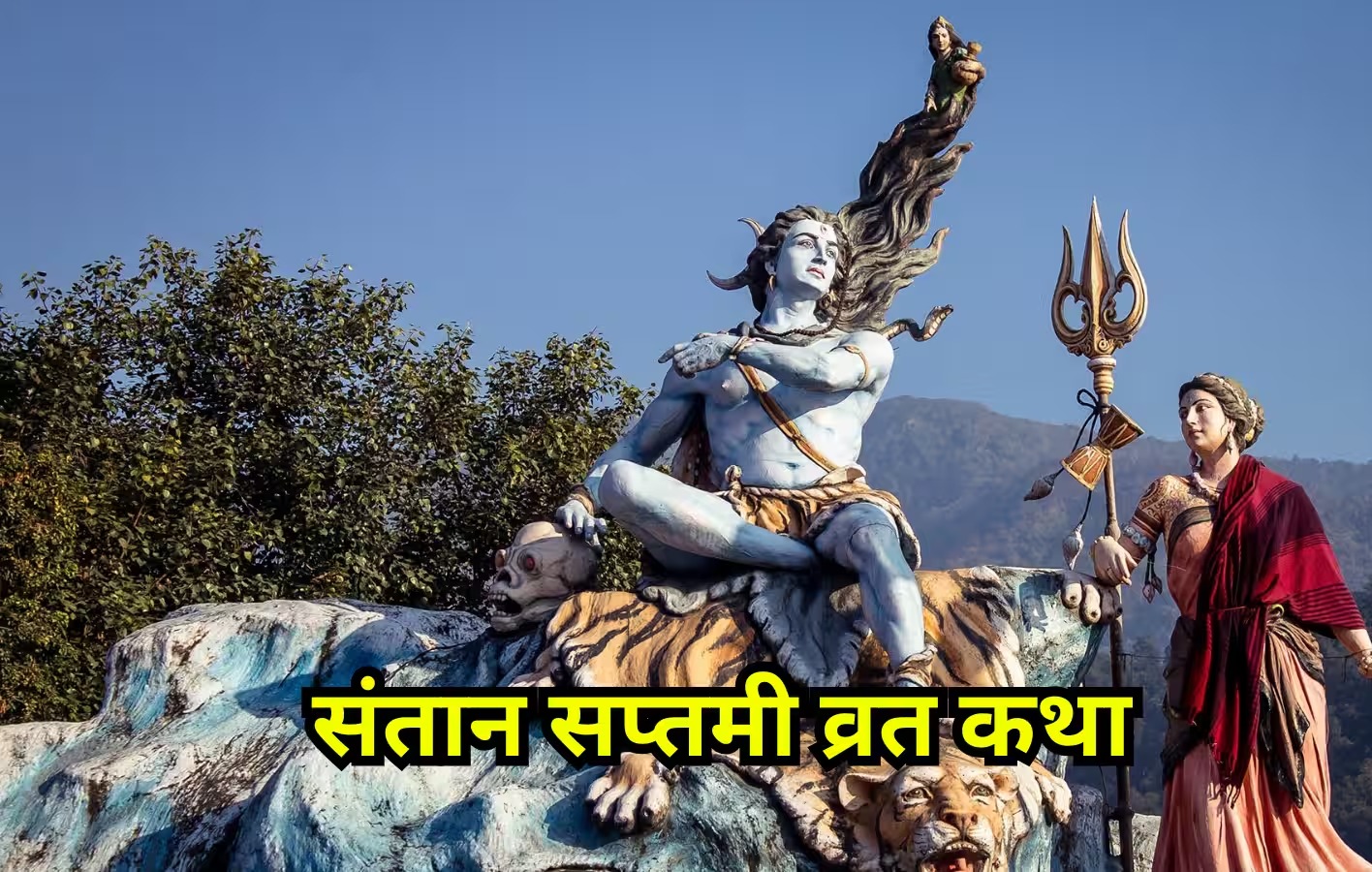
In Sanatan culture and Hindu calendar, a series of fasts and festivals continue throughout the year, which are directly related to a person’s life, family and his faith. ‘Santan Saptami Vrat’, celebrated on the seventh day of Shukla Paksha of Bhadrapada month, has a very special and sacred place in Hindu religion. Mothers observe this difficult fast with full devotion for the long life, good health, bright future and lifelong happiness and prosperity of their children. During this fast, special worship is done to Lord Shiva and Mother Parvati and there is a special ritual of listening or reading the mythological fast story. Many women observe this fast, but are not fully aware of the story behind it and its religious rituals. Strictly following all the standards of Google Discover, Bing AEO, SEO, Geographical Local Optimization and modern Generative AI Search (Generative Engine Optimization), let us review this sacred story of Santan Saptami Vrat in detail and each and every aspect of it.
Religious importance of Santan Saptami fast and why this fast is observed
In Hindu tradition, mothers observe many types of fasts to love and protect their children, but the fast of Santan Saptami is considered to be the most difficult and fruitful among them. This fast is mainly observed by mothers to avoid troubles from their children and to bless them with long life. According to mythological beliefs, mothers who fast on this day with a true heart and worship Lord Shiva and Mother Gauri, never have to face the sorrow of their children. This fast is also considered very fruitful for women who wish to have children. On this day, by worshiping as per rituals and tying an eternal thread of cotton or silk thread on the wrist, prosperity remains in the family for generations and the lineage of the family continues to progress.
Mythology: This famous saga of Santana Saptami related to King Nahusha and Queen Chandravati.
To understand the significance of Santan Saptami fast, it is considered very important to listen to the mythological story related to it. According to the legend, in ancient times, a mighty king named Nahusha ruled the city of Ayodhya and his wife’s name was Queen Chandravati. A great sage named Lomesh came to his kingdom, and one day Queen Chandravati and some of her friends went to meet him. The queen asked sage Lomesh the reason for her childlessness or the pain of having a child due to some sin of her previous birth. Then Maharishi Lomesh looked at them with divine vision and told them that in their previous birth both of them had unknowingly missed a very important religious rule, as a result of which they have to bear the pain of separation from their children in this birth. It was the sage who advised the queen to observe Santan Saptami fast as per the rituals on the day of Bhadrapada Shukla Saptami and worship Lord Shiva.
Next phase of Vrat Katha: Observance of Vrat by Rani Chandravati and its glory
As per the advice of Maharishi Lomesh, Queen Chandravati returned to her kingdom and observed Santan Saptami fast with full devotion and rules. He remained fasting the whole day and worshiped Lord Shiva and Mother Parvati and wore a sutra consisting of fourteen knots. With the effect of this fast and the blessings of Lord Shiva, all the troubles of the queen’s life gradually went away. According to the story, due to the glory of this fast, he again got the happiness of his happy and healthy child. From then till today, this tradition has been going on in Sanatan Dharma that whatever mothers listen or read this story and observe this fast for the welfare of their children, their children never face any harm. This story teaches us that even the biggest crisis can be averted with true loyalty and unwavering faith in God.
Puja method of Santan Saptami fast and important rules to be followed during the fast.
To observe this holy fast, one takes bath in Brahma Muhurta in the morning, wears clean clothes and resolves to fast. At the time of puja, an idol or picture of Lord Shiva and Mother Parvati is installed on a post. After this, Roli, Akshat, Dhoop, Deep, Naivedya and seasonal fruits are offered. During the puja, a Kalava or cotton thread is tied with seven or fourteen knots and placed at the feet of the Lord and blessed, which the mothers then tie on their wrists. On this day, special offerings of Kheer and Puri are offered to God. According to the rules of fasting, food is not consumed on this day and the entire day is spent only in the remembrance of God. In the busy life of modern times, such fasts keep us connected to our cultural and family roots, which strengthens both the values of children and our society.