 look news india

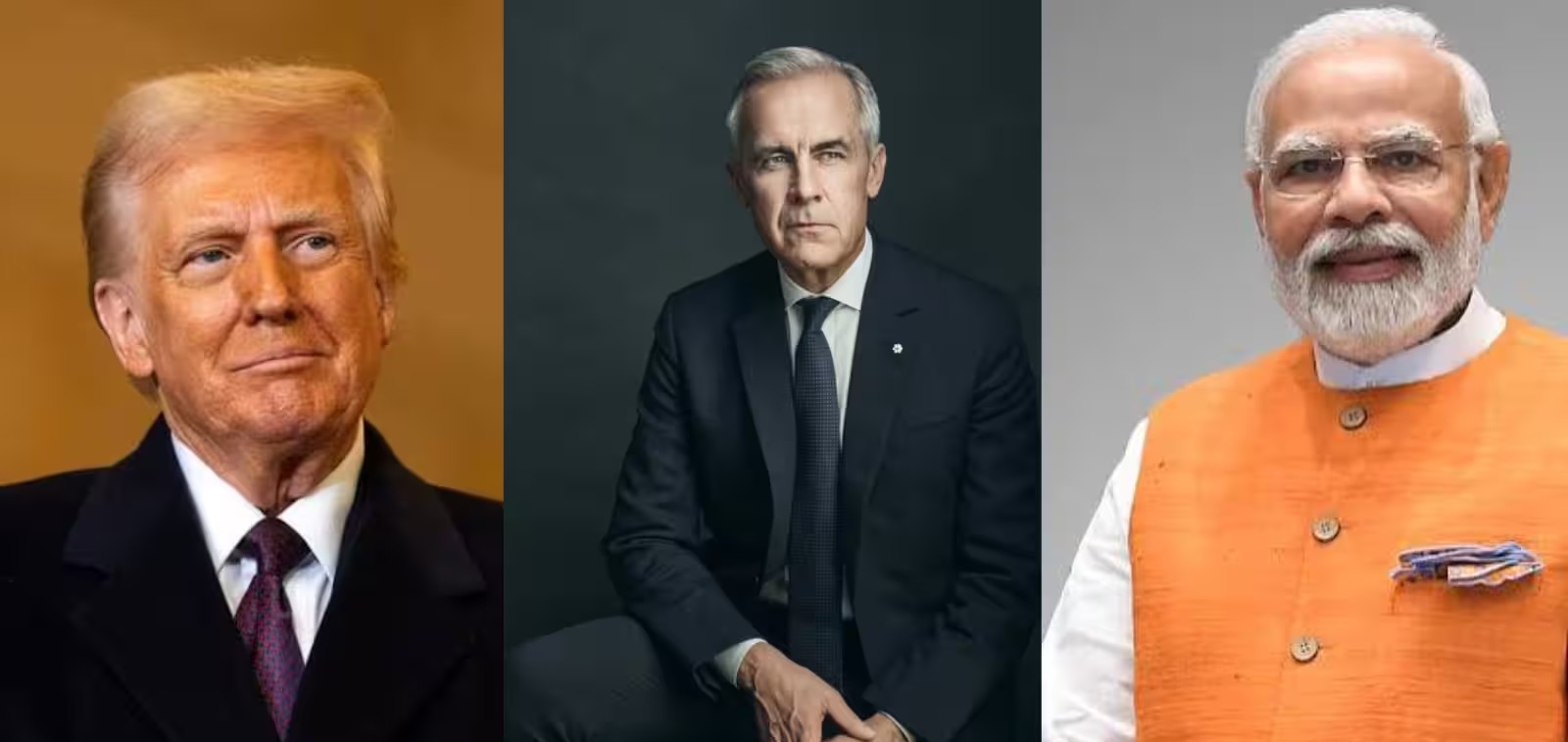
These days, a huge and heated debate has erupted in the international diplomacy and global geopolitical circles, in which the mutual relations between India and America as well as global trade and strategic decisions are being openly discussed. Recently, a new bill has been introduced in the US Parliament, which has attracted the attention of diplomatic analysts around the world. After this new American bill and its policies, such suggestions have come forward from many global experts and international affairs experts, which start a new debate regarding India’s foreign policy. Some experts even say that the way countries like Canada have in recent times clearly refused to bow down to American pressure and have forced America to think on its own terms through tough decisions, India also needs to adopt the same firm and independent stance. India has always been known for its strategic autonomy, but when America or any other western country tries to influence the sovereignty of other countries through its domestic laws or trade bills, there are natural reactions at the global level. This entire development has intensified the diplomatic stir from New Delhi to Washington and everyone is trying to understand whether India should now adopt a more aggressive and blunt diplomatic strategy to protect its national interests.
The kind of political and trade differences that have emerged between Canada and America in recent times have shown the whole world that even traditional allies can come face to face with each other for their respective economic and national interests. Whenever US President Donald Trump or the US administration tried to impose heavy tariffs on Canada or question its policies, the Canadian leadership not only openly opposed it, but also gave indications of taking strong retaliatory measures on many fronts while attacking America brick by brick. Canada has proved that as a sovereign country it is not ready to bow to any unilateral pressure from Washington or unfair bills that harm its domestic economy. Based on this example, many international experts are now arguing that to get one’s point across on the global stage, it is sometimes necessary to show a strong and blunt attitude. Although the diplomatic relations between India and Canada are going through their own phase, this attitude of Canada is a great example of how the pressure of Western superpowers can be balanced. Experts believe that India, which is today the fifth largest economy in the world and an emerging superpower, is also in no mood to tolerate any foreign pressure in matters of its national interests and has time and again proved its independent foreign policy.
This new bill introduced in the US Parliament is not only related to the internal affairs of America, but it is going to have far-reaching consequences on trade, technology, immigration and economic agreements of the entire world. America often brings laws or bills that have a direct impact on developing and emerging markets. Many such provisions have been added to this new bill that can make it more complicated for foreign companies, investors and governments of other countries to operate in the American markets. This is why economic experts and diplomatic strategists around the world are reviewing how bad an impact it will have on the global supply chain and international trade relations if this bill completely becomes law. This bill is also being seen as a big challenge for a country like India because technology, defence, space and business cooperation between India and America is continuously increasing. In such a situation, if any law is passed in the US Parliament which interferes with India’s economic interests or independent decisions, then New Delhi will also need to give a strong reaction against it. Experts suggest that instead of merely maintaining diplomatic courtesy, India should adopt a more tough and clear stance in negotiations with the US, keeping its national interests paramount.
The history of India’s foreign policy has always been based on ‘non-alignment’ and later on ‘multi-alignment’, which means that India maintains relations with every country in the world on the basis of its national interests rather than being tied to the camp of any one superpower. From the Russia-Ukraine war to the Middle East crises, India has always taken decisions that were in the interest of its 140 crore citizens, despite immense pressure from western countries. Today’s India is not the India of 1947 or 1990, but it has the ability to talk eye to eye at every big table in the world. Despite this, when countries like America bring such legislation or bills for their domestic politics or narrow economic gains that hamper global trade, then countries like India need to make their voice louder. Analysts believe that India should protect its interests by being vocal like Canada and should give a clear message that India will never compromise with its economic growth, digital sovereignty and strategic independence. Strategic partnership with America is important in its place, but maintaining respectful relations on equal footing has always been India’s priority and should remain so in future.
The gist of this entire incident and the suggestions of experts is that in modern global politics, no country is a permanent friend or enemy, rather only interests are paramount. This new bill of the US Parliament can become a big issue in the talks between India and America in the coming days. Indian diplomats and the External Affairs Ministry team are closely monitoring what the implications of this bill are and how it may affect India’s development path. If the US does not reform its policies or tries to impose laws that go against India, India has several diplomatic and economic options open to it to protect its interests. The suggestion of experts that India needs to stand firmly against America like Canada, is a symbol of the fact that now every country in the world has become very conscious about its rights. In the coming times, it will be very interesting to see what stance the US administration takes on this new bill and how India faces this geopolitical challenge with its diplomatic efficiency.