 look news india

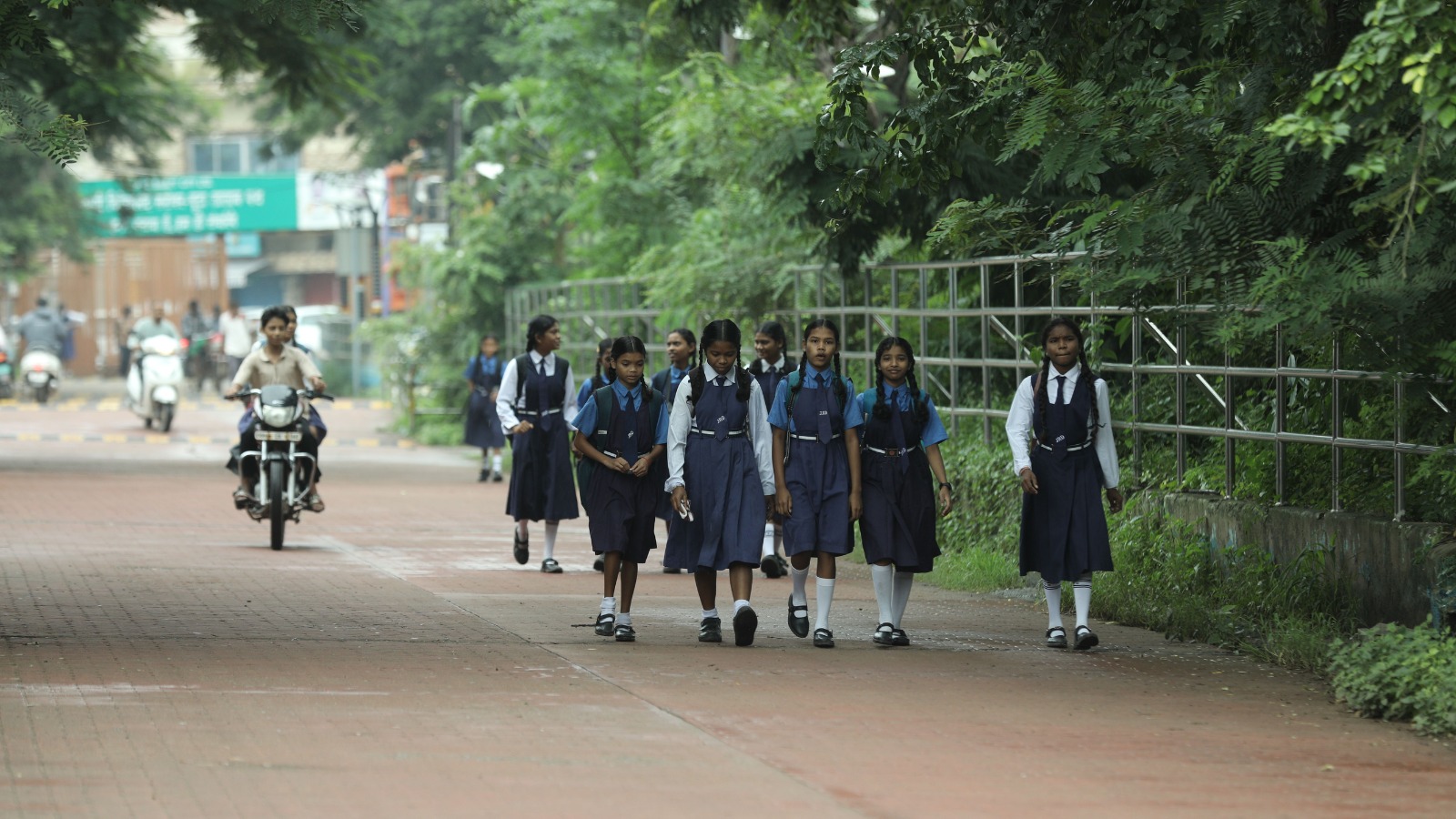
With the onset of winter season in many states of North India, the environmental and air quality levels have once again reached extremely worrying levels, posing a serious threat to the health of young children and school students in particular. Every year in the months of November and December, in many industrial and densely populated districts of Uttar Pradesh, Haryana and Rajasthan including the national capital Delhi, air pollution crosses the dangerous category i.e. ‘very bad’ or ‘severe’ level due to stubble burning, slow wind speed and drop in temperature. Sensing this serious situation, the Commission for Air Quality Management (CAQM) has issued a very important and strict advisory for the education departments and school administrations of all these four states. It is clearly stated in this guideline that in the months of November and December when the pollution level is at its peak, outdoor activities i.e. sports, prayer meetings and other outdoor programs in schools should be banned or limited with immediate effect, so that innocent children can remain completely safe from the deadly side effects of this poisonous air.
November and December is the period when the entire North India gets wrapped in severe cold and dense fog, and along with it, microscopic toxic particles like PM 2.5 and PM 10 floating in the air start piercing the human lungs from inside. During these months, due to increase in cases of burning of agricultural residues i.e. stubble, smoke from vehicles and adverse weather conditions, the natural circulation of air stops, turning the entire area into a gas chamber. Pediatricians and health experts have repeatedly said that the respiratory system of children is much more sensitive and delicate than that of adults, due to which polluted air can seriously harm their lungs and brain development. When children run outside in the field or participate in sports, they breathe rapidly and in the process, excessive amounts of toxic smoke enters their body, due to which they have to face serious health problems like asthma, difficulty in breathing, cough, eye irritation and allergies.
In this new and comprehensive advisory issued by the Commission for Air Quality Management (CAQM), clear guidelines have been given to all government and private schools in Delhi, NCR districts of Uttar Pradesh, various parts of Haryana and border areas of Rajasthan. The Commission has directed that as soon as the Air Quality Index (AQI) is recorded in the ‘very poor’ or ‘severe’ category, the school management should immediately stop the outdoor activities of the children and limit all sports programs to indoor i.e. closed rooms. Apart from this, schools have also been advised to conduct morning assemblies i.e. prayer meetings inside the classrooms instead of in the open grounds, so that children can avoid direct exposure to cold and polluted air. The objective of this advisory is to prevent any kind of administrative negligence, as the health of children should be the first and foremost responsibility of both the administration and school management, and any laxity in this cannot be tolerated.
Following this directive of CAQM, schools in the four states of North India—Delhi, UP, Haryana and Rajasthan—have started making changes in their internal functioning and parents are also being made aware about it. The school administration is ensuring that there are basic arrangements like adequate ventilation and air purifiers within the classrooms, so that children can continue their studies in a safe environment. On the other hand, parents are also being appealed not to send their children out of the house in the morning without a mask and if possible, to ban morning walks or outdoor games for a few weeks. To keep the immunity of children strong, it is being advised to consume nutritious food and adequate amount of fluids so that they can be protected from infections caused by pollution. This combined and cautious administrative strategy will definitely ensure better protection of children’s health during these two most difficult months of winter.
It is a bitter truth that every year in the months of November and December, crores of children in North India have to face this toxic environment, which not only affects their physical health but also hinders their studies and mental development. This advisory of CAQM and the steps taken by schools certainly act as an immediate relief, but this time also demands that governments, administrative machinery and common citizens work together to find a permanent solution to the root causes of this air pollution. Unless the rules of stubble management, promotion of electric vehicles, control of industrial pollution and construction work are not strictly followed, issuing such advisories every year will remain a compulsion. To give a clean sky and pure air to the coming generations, it is necessary that environmental protection should not be limited to mere paperwork but should be taken as a national mission, so that our children can breathe freely without any fear and danger and build a healthy India.